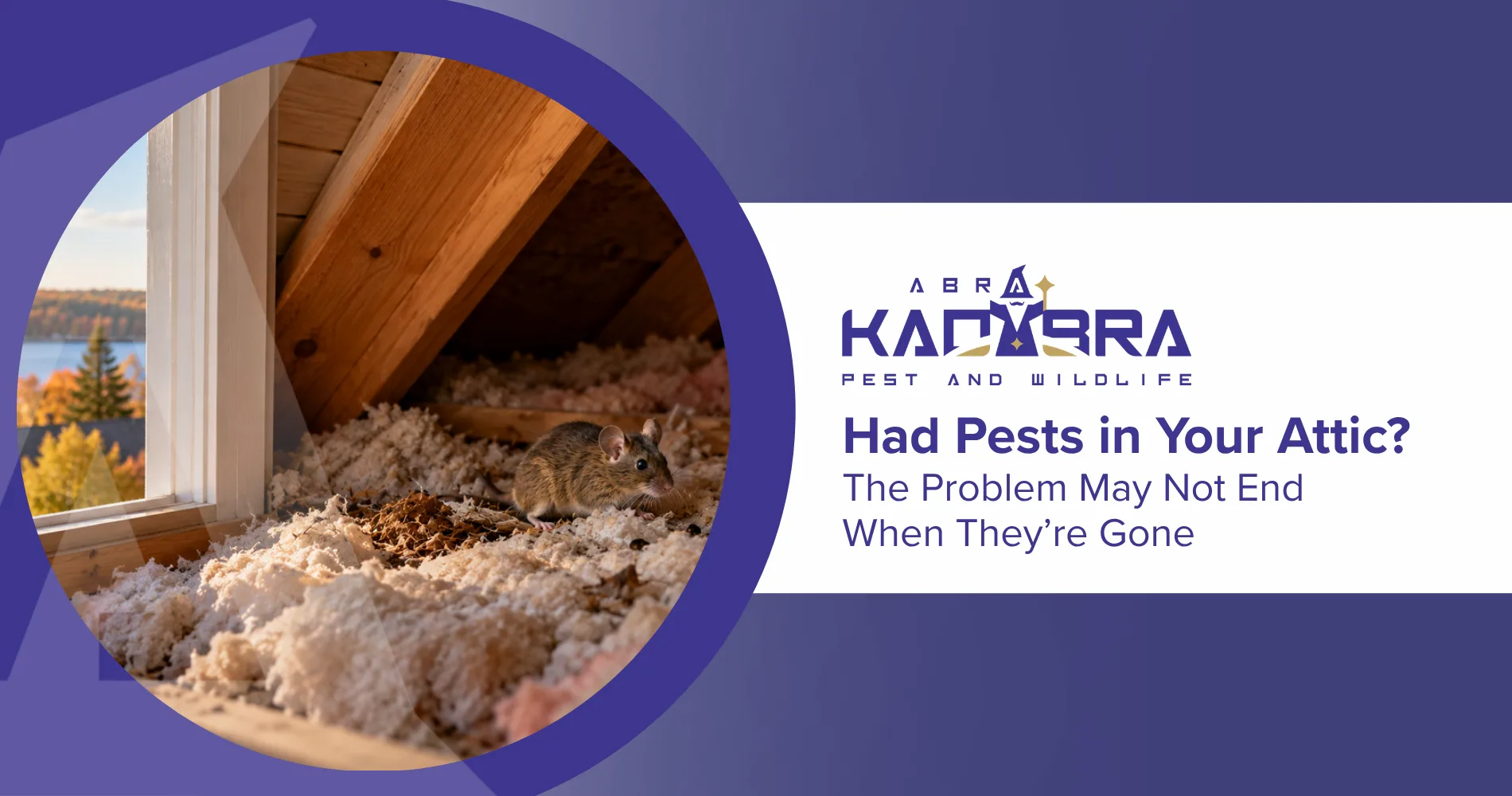

As Minnesota temperatures drop and the first frost dusts metro Minneapolis lawns, rodents start thinking the same thing many of us do: find a warm, stocked, and safe place to ride out winter. If you’ve heard scratching in the walls, found small droppings in the pantry, or spotted chewed insulation in the attic, you’re not alone — fall is peak time for house mice and rats to move in. This guide explains why they come inside, how to spot early signs, the health and property risks, practical prevention steps you can take in Minneapolis-area homes, and when to call a professional for help.
Why rodents move indoors in fall (and why they’re common in Minnesota)
Rodents don’t hibernate. Instead, they prepare for winter by seeking shelter that offers steady temperatures, safety from predators, and easy access to food. Minneapolis–St. Paul Metro Homes provide exactly that: attics, basements, crawlspaces, garages, and even voids inside walls can become cozy nests.
Two species are most common around homes: the house mouse (a tiny, agile rodent that climbs well) and the Norway rat (a larger rodent that burrows near foundations). They’re drawn to human structures because of food availability and sheltered nesting spots.
Female mice reproduce rapidly; a single pair can produce dozens of descendants in a matter of months — so what starts as a single sighting can quickly become an infestation if not addressed.
Signs you have rodents preparing for winter
Look for these early-warning clues in your Minneapolis home:
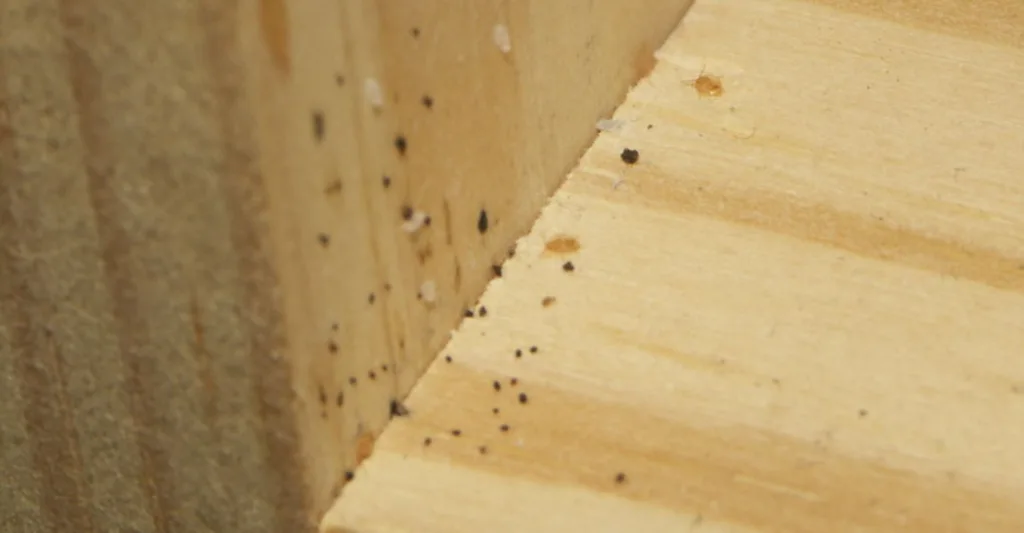
- Droppings: Small, rice-shaped pellets in cabinets, pantries, behind appliances, or along baseboards.
- Noises at night: Scratching, scurrying, or gnawing inside walls, attics, or ceilings — often louder in quiet fall evenings.
- Gnaw marks: Frayed insulation, chewed cardboard, chew marks on wires or wood, and openings around vents or pipes.
- Grease or rub marks: Dark smudges along baseboards or in attics where mice follow the same pathways.
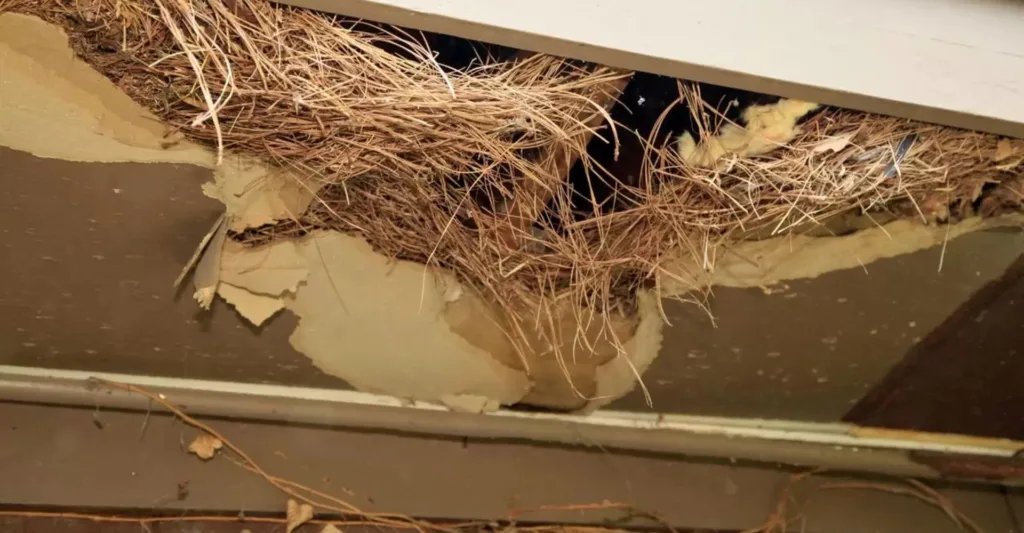
- Nests: Shredded paper, fabric, or dried plant matter tucked into hidden spots like attics, soffits, wall voids, or boxes.
- Unusual pet behavior: Dogs or cats suddenly focused on a wall or ceiling may be sensing rodent activity.
If you spot any of these, act quickly — especially in Minnesota, where winter can drive rodents deeper into living spaces.
Health and Home Risks (Why Proactivity Matters)
Rodents aren’t just a nuisance. Their urine, droppings, and nesting materials can contaminate food and surfaces, and their gnawing can damage insulation, wiring, and structural elements — even creating fire hazards. In rare cases, rodents can carry pathogens harmful to humans and pets. Cleaning up droppings incorrectly (sweeping or vacuuming without precautions) can release harmful particles into the air.
Protect your household by treating early signs seriously and following safe cleanup and prevention practices.
DIY Pest Prevention Checklist for Rodents (Do’s & Don’ts)
Do:
1. Seal the obvious gaps
Walk your home’s exterior and look for openings larger than a dime — mice can squeeze through surprisingly small holes. Seal gaps around foundation vents, plumbing penetrations, soffits, and utility lines using rodent-proof materials like:
- Steel wool (copper or galvanized) stuffed into gaps, then sealed with caulk
- Sheet metal or hardware cloth for larger openings
- Exterior-grade caulk and foam for small cracks
Tip: Pay special attention to areas where pipes and wiring enter the foundation and where the siding meets the foundation — these are prime entry points for potential issues.
2. Fix door sweeps and tighten screens
Replace worn door sweeps on exterior doors and garage doors. Ensure that window screens and attic vents fit snugly. Even small gaps under garage doors or around porch steps allow mice to enter.
3. Remove outdoor harborages
Clear piles of firewood, brush, and leaf litter away from the house foundation. Woodpiles and dense ground cover provide shelter and staging areas for rodents attempting to enter your home.
4. Lock down food sources
Store birdseed, pet food, and grill supplies in metal or heavy plastic bins with tight lids. Keep pantry goods in sealed glass or plastic containers — cardboard and paper bags are easily chewed through.
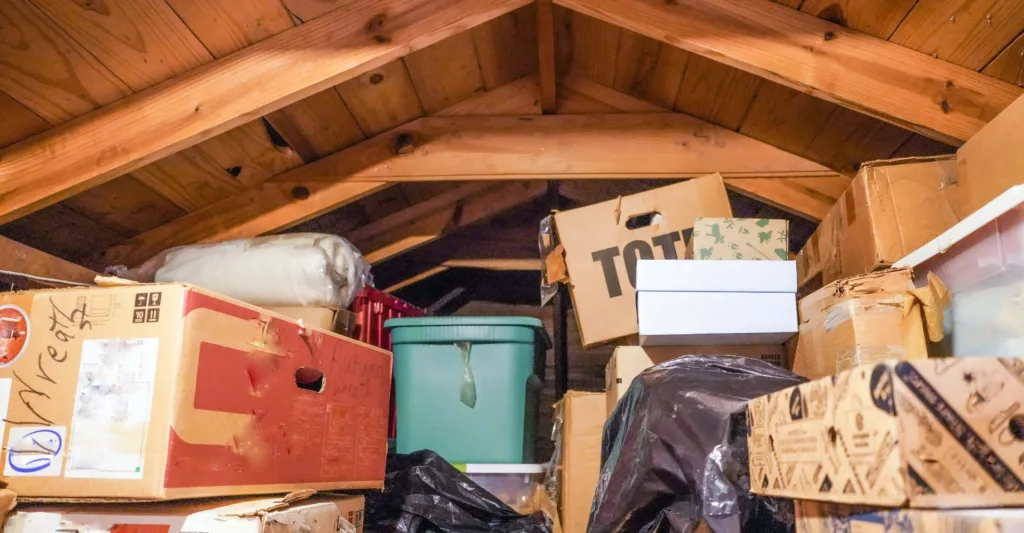
5. Tidy attics, basements, and crawlspaces
Declutter storage areas so mice can’t hide. Elevate stored items on shelving and keep boxes off the floor to prevent damage. In damp Minnesota basements, consider a dehumidifier — dry storage is less attractive to rodents.
6. Use traps correctly
If you set traps, place them perpendicular to walls where you see droppings or rub marks. Snap traps baited with peanut butter are effective when used in numbers and checked frequently. Avoid using multiple public-facing adhesive traps in living spaces where children or pets can access them.
Don’ts
- Avoid using bare hands to clean droppings, as this can cause airborne contamination. Wear gloves and a mask, wet droppings with disinfectant before cleaning, and dispose of waste safely.
- Don’t rely on “miracle” ultrasonic repellents or essential oils as your only defense — exclusion and sanitation are far more effective.
- Avoid using DIY rodenticides without professional guidance — improper placement can harm pets, wildlife, and children, and can spread the problem into inaccessible areas.

When to call the pros (and what to expect from Abra Kadabra)
If you find signs of a sizable infestation, repeated activity, or evidence of chewing on electrical wiring or insulation, call a licensed pest control company.
Abra Kadabra offers rodent control services throughout the greater Minneapolis–St. The Paul area uses a holistic approach, involving thorough inspection, targeted trapping and exclusion, cleanup, and follow-up to prevent re-entry.
Suppose you’re seeing activity in attics or inside walls. In that case, Abra Kadabra’s specialized attic and rodent technicians can assess entry points, perform exclusion (sealing) work, and safely remove nesting materials while protecting your home.
Typical professional steps include:
- Comprehensive inspection — locate runways, entry points, and nesting sites.
- Immediate reduction — strategic trapping or baiting (if needed), placed where rodents travel.
- Exclusion work — sealing holes, installing metal mesh, repairing vents and door sweeps.
- Sanitation & cleanup — removing contaminated insulation and droppings with proper safety equipment.
- Follow-up — return visits to verify success and reinforce prevention.
Would you like to start with a targeted service? Abra Kadabra’s rodent control and mouse removal pages provide more details about our services and the areas we cover. If you discovered droppings in your attic, we also have a page on Mice in Your Attic that explains attic-specific dangers and remedies.
Long-term prevention: Winterproofing checklist
- Annual exterior inspection: Conduct a professional inspection each fall to identify new vulnerabilities before mice have a chance to take advantage.
- Landscape management: Keep shrubs and ornamental grasses trimmed away from the foundation, and store firewood at least 20–30 feet from the home, if possible.
- Professional exclusion: Where vulnerabilities are structural (sills, vents, chimney gaps), hire a pro to install durable metal flashing or mesh.
- Food & waste control: Maintain sealed trash cans, and clean up fallen fruit or spilled birdseed promptly.
- Tenant-Landlord Communication: If you rent, report any early signs to your landlord. Rodent problems often cross property lines in multi-unit buildings, requiring coordinated treatment.
Considerations for Minneapolis homeowners
Older homes in the Twin Cities often have more gaps around foundations and aging vents, and dense urban yards can make complete exclusion a challenge. If you live in a duplex, rowhome, or multi-family building, remember that rodents travel between units; coordinate with neighbors or property managers for a long-term solution.
Additionally, Minnesota winters can shift rodent activity from basements and crawlspaces into living spaces, a problem that worsens if insulation is neglected. When in doubt, have a professional inspection, especially if you hear regular noises in walls or attics after the first frost.
In Conclusion
Fall is the time to transition from a reactive to a proactive approach. A few hours of sealing and tidying this weekend can prevent the headache, cost, and health risks of a larger infestation later. If you suspect rodents are already nesting in your attic or walls, don’t delay a safe, professional inspection.
Need help now? Abra Kadabra offers rodent control services across the metro Minneapolis area — from inspection to exclusion and cleanup. Visit our Rodent Control page or call to schedule an inspection and keep your home safe this winter.
This article was written for homeowners and property managers in Minnesota’s Twin Cities metro area. For more technical guidance on safe cleanup and disease prevention, consult public health resources and university extension services.