Heat buildup and moisture issues can create several problems for your home. That’s why Soffit Vents should be present in every home to keep the attic properly ventilated. Soffit Vents regulate temperature and moisture by drawing in cool, outside air to replace hot air rising through roof vents. However, like any part of a house, Soffit Vents need a little maintenance too. It is crucial to regularly inspect soffit vents to ensure they have a secure entry point, preventing pests and wildlife from entering. Our team at Abra Kadabra Pest & Wildlife is an expert in knowing the ins and outs of the Soffit Vent. Especially when it comes to crafting it to prevent wildlife entry, our approach will help every homeowner maintain their soffit vents. We utilize wildlife exclusion methods to keep your home secure throughout the year. In this guide, we’ll cover:
- What soffit vents are and why they matter
- How animals exploit them
- Signs of an infestation
- The 7 key wildlife exclusion strategies to maintain your soffit vents and keep animals out
What Are Soffit Vents?
Soffit Vents are an essential part of your roof’s eaves that do their job in ensuring proper airflow to your attic. In a way, they help majorly in preventing heat buildup and moisture issues, which makes your home healthier and energy-efficient. In summary, here are some key benefits of having Soffit Vents:- Prevents mold and moisture buildup
- Regulates attic temperature
- Extends the lifespan of your roof
- Reduces the risk of ice dams in the winter
How Wildlife Uses Soffit Vents to Get Inside
While soffit vents are designed to keep air flowing and pests out, reality doesn’t always match the plan. Here’s how wildlife takes advantage of weak soffit systems:Squirrels and Raccoons
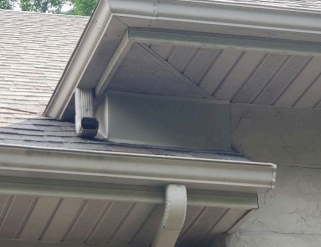
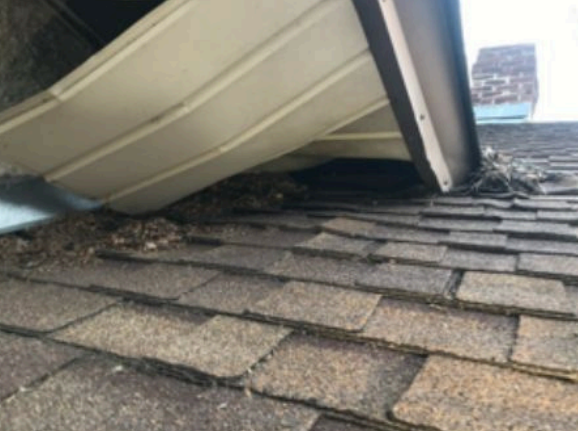
These clever climbers can reach your soffits by scaling siding, downspouts, or trees. Once there, they’ll chew through wood, plastic, or aluminum vents to gain access to your attic. If the vent is already cracked or loose? Even easier.Birds
Birds often see soffit vents as the perfect nesting location. They squeeze through damaged mesh or small holes and build nests inside the soffit cavity or attic, creating fire hazards and clogs.Bats
Bats can enter through gaps as small as 3/8 inch. If your soffit vents have a deteriorated screen or weren’t appropriately sealed during construction, they’ll slip in and roost out of sight.Signs That Wildlife Has Invaded Your Soffits
Spotting the early signs of intrusion can help you avoid severe damage. Be on the lookout for:- Scratching or scurrying sounds from the ceiling or attic
- Droppings on windowsills, walls, or near the foundation
- Shredded vent screens or visible damage to soffit panels
- Nests or debris visible in or near the vents
- Musty or ammonia-like smells, especially in the attic
- Stains on ceilings or walls, often caused by urine from animals
7 Ways Wildlife Exclusion Can Maintain Soffit Vents
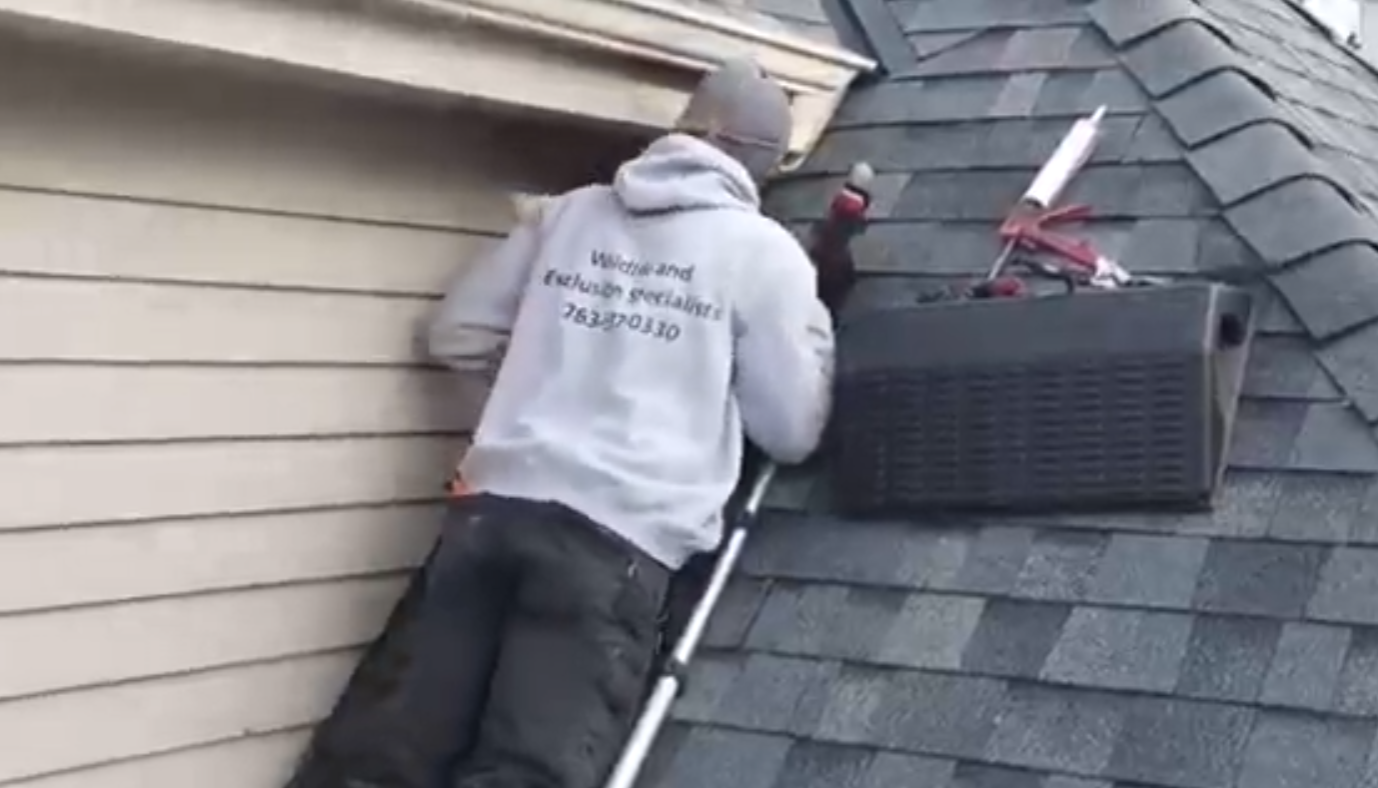
Wildlife exclusion is the process of sealing, repairing, and reinforcing parts of your home to prevent animals from getting inside. Here’s how exclusion services can keep your soffit vents and your home safe:1. Install Wildlife-Proof Vent Covers
Standard soffit vents often use thin mesh or plastic grilles that are easily chewed through by wildlife. Professional exclusion involves upgrading your soffit vents with heavy-duty, wildlife-resistant covers made of:- Galvanized steel mesh
- Aluminum screening with tight spacing (¼ inch or smaller)
- Custom-fitted vent guards
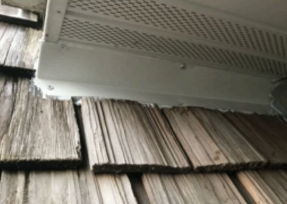
2. Seal Gaps and Reattach Loose Panels
Wildlife exclusion pros will inspect your soffits for any gaps, sagging panels, or loose joints where animals could squeeze in. These are often found near:- Roof intersections
- Dormers
- Fascia boards
- Under gutters
3. Use One-Way Exclusion Devices (If Needed)
If animals have already gotten in, simply sealing off the soffit could trap them inside, causing more damage or even creating health hazards from decaying carcasses. Wildlife exclusion experts use one-way exit devices that allow animals to leave the attic or soffit area, but not re-enter. Once the home is confirmed to be animal-free, all access points—including soffit vents—are permanently sealed or reinforced.4. Trim Tree Branches and Vines Near the Roofline
One of the most overlooked ways to maintain soffit vent security is through landscape management. Trees and climbing plants create perfect highways for critters looking to access your roof. Wildlife exclusion services often include or recommend:- Trimming tree branches at least 8–10 feet away from the roof
- Removing vines or ivy that reach up the siding
- Installing metal guards around downspouts and drainpipes to prevent climbing
5. Inspect and Clean Vents Regularly
Part of good soffit vent maintenance is keeping them clear of debris, checking for wear, and identifying any signs of wildlife activity. Many exclusion services offer routine inspections, where they:- Remove leaves, nests, or twigs blocking airflow
- Look for signs of chewing or scratching
- Ensure vents remain securely fastened
- Replace or upgrade damaged vent covers on the spot
6. Use Attic Restoration and Sanitation Services
If wildlife has been entering through soffit vents, chances are they’ve left a mess behind in your attic. That can include:- Chewed insulation
- Urine-soaked wood
- Feces and nesting materials
- Insect infestations
7. Coordinate Soffit Vent Work with Roof and Gutter Maintenance
Soffits are part of a larger roof system that includes:- Fascia boards
- Gutter hangers
- Roof shingles and flashing
- Leaking gutters can soften wood soffits, making them easier to chew through
- Poorly installed shingles can allow water to penetrate and weaken vent covers
- Loose fascia boards can provide hidden entry points behind soffits
Why DIY Wildlife Exclusion Often Falls Short
You might be tempted to patch your soffit vents yourself with hardware cloth or screen mesh from the hardware store. While well-intentioned, DIY methods often fail because:- They don’t address all entry points
- Materials may not be strong enough to stop persistent pests
- Gaps can remain that you can’t see from the ground
- There’s no way to know if animals are still inside
In Conclusion
Your soffit vents are the unsung heroes of your home’s ventilation system—but they’re also one of the most common places for wildlife to break in. By investing in routine maintenance and professional wildlife exclusion, you can:- Keep animals like squirrels, raccoons, bats, and birds out
- Maintain optimal attic airflow
- Prevent costly roof and insulation damage
- Avoid health risks from droppings, parasites, or mold