
Being an HOA board member in the Twin Cities can sometimes be a thankless job. From budgeting, planning, and dealing with angry homeowners, it can be difficult.
Everyone wants lower fees and better amenities, and nobody wants surprise line items.
Budgeting is considered for all of those items, but there’s one budget item that really should live in your operating plan. It is often the most overlooked, but the most important one: An annual wildlife and rodent inspection and exclusion.
It is never too late to propose a small budget line for this. You can start small or schedule a free inspection with the professionals to gain advanced insights into costs and how it works. Which you, as the HOA manager, can propose to the board and the homeowners. Abra Kadabra can help you with this by scheduling a call with one of our commercial pest control representatives.
It’s important to remember that it is not a one-off “fix the hole” after the raccoon family moves in, not solely emergency trapping, but a planned, inspected, annual program focused on exclusion and ongoing control — sealing entry points, repairing damage, and preventing repeat invasions.
That said, let’s go through the practical reasons to budget for it, the risks of skipping it (health, legal, structural), what a realistic annual program looks like in Minneapolis metro properties, and how to sell the line item to residents who only notice pests when they see or smell them.


Why preventative maintenance should be a priority
Property damage begins when mice, rats, or raccoons enter attics, crawlspaces, wall voids, and eaves. They chew on wiring, insulation, siding, and vents; contaminate insulation and mechanical spaces with urine and droppings; and can damage siding, soffits, and rooflines while trying to get inside. Addressing an entrenched infestation and repairing wildlife damage are frequently tens of times more expensive than proactively and annually performing exclusion work. A planned annual inspection and exclusion program turns reactive emergency repair into scheduled maintenance: inspect, seal, repair, and monitor. For building managers and HOA treasurers, that means predictable spend and smaller, phased repairs that are easier to fit into reserve planning. Industry best practices for community property management recommend including recurring maintenance items, such as pest prevention, in budgets to avoid unplanned special assessments later. Exclusion should be part of that line item.The health risks coming from pests
Rodents are both a nuisance and a public-health risk. Diseases like hantavirus are spread by contact with rodent urine, droppings, and saliva, and while severe cases are rare, they’re serious enough that prevention matters for residents and maintenance crews. Minimizing rodent entry into shared spaces, attics, and mechanical rooms reduces exposure risk to both residents and staff. The Centers for Disease Control recommends avoiding contact with rodents and safely cleaning up droppings, which is far easier when an HOA prevents infestations rather than cleans up after the fact.
Exclusion protects property value and marketability
Buyers and renters can notice poor maintenance.
Signs of wildlife: chewed siding, sagging attic insulation, visible entry holes, or a history of neighbors calling pest control: These signs translate into lower offers, longer sale timelines, and higher inspection contingencies. For multi-unit or condominium associations, a reputation for “we have critters” erodes perceived value across all units, not just the affected one.
A documented annual exclusion and attic/insulation maintenance program, especially one performed by a local, licensed provider familiar with Minnesota’s common entry types, is a tangible asset in marketing materials and resale disclosures.
Local providers like Abra Kadabra offer combined services (rodent control, attic retrofit/insulation, and wildlife exclusion), so HOAs can maintain a single vendor record showing ongoing preventive care.
Understanding Minnesota’s specific wildlife patterns
Minnesota’s climate means wildlife and rodent behavior changes with the seasons. As temperatures drop, rodents and many wildlife species look for warm, dry spaces — attics, basements, and wall cavities. They follow warm air drafts back to their source- your dwellings. .
This is why late fall and winter are peak times for encounters in our region.
That seasonality makes annual scheduling practical: perform inspections and exclusion work in fall (before animals look for winter shelter) or in late spring (after young disperse), depending on your site-specific risks.
Local resources from the Minnesota DNR and other agencies discuss prevention and exclusion techniques for common species and are a good technical reference when building an annual plan. Working with providers who understand Minnesota’s wildlife cycles reduces repeat problems caused by timing issues.
Multibuilding properties and shared systems are more susceptible to pest activity
One unit with a hole in the roofline can become an infestation affecting multiple homes or units.
Shared attics, interconnected soffits, continuous foundations, and interstitial spaces in townhome rows or larger condo buildings create easy corridors for rodents and wildlife.
That’s why HOAs, and not individual owners, are uniquely positioned to solve the problem at scale.
Studies of pest management in multifamily housing show that treating by building and coordinating inspections across units reduces repeat incidents and provides better mapping of infestation hotspots — saving money and improving long-term outcomes.
For an HOA, an annual association-wide exclusion is not only logical but essential.
What a practical annual exclusion program looks like (for Metro Minneapolis HOAs)
Here’s a realistic template your board can consider and budget for. Your program should have a customized plan according tobuilding age, construction type, and history.
Annual scope (baseline):
- Full exterior inspection (foundation, eaves, vents, soffits, roofline, utility penetrations, parking garages, dumpster areas).
- Attic and crawlspace inspection for entry points, droppings, insulation contamination, and wiring damage.
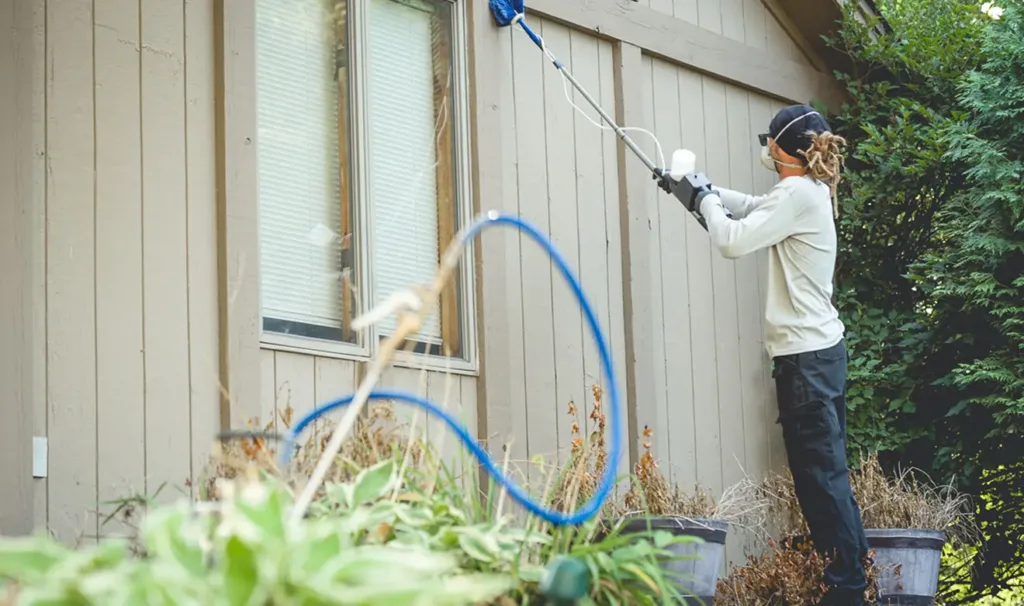
- Seal and exclusion work: patch holes, retrofit vents with wildlife-proof mesh, repair soffits/trim, and use durable materials suitable for Minnesota weather and freeze/thaw cycles, and re-entry prevention.
- Sanitation and insulation remediation where necessary (attic cleanouts, re-insulation, and attic retrofit if contamination found).
- Follow-up monitoring: use bait stations or non-toxic monitoring devices (as allowed by local regulations), and submit a written report to the HOA file.
- Education: a short homeowner notice about trash management, pet food storage, and window/door maintenance.
Recommended cadence:
- Annual full inspection + exclusion work pre-winter (late September–November) for most properties.
- Quarterly visual checks in high-risk assets (dumpster pads, low roofs, and common mechanical rooms).
Vendor selection:
- Choose a licensed local company experienced with pest control, as well as Minnesota building code, wildlife regulations, and attic remediations. Keep a record of exclusion work and invoices for reserve planning and resale disclosures. Abra Kadabra lists rodent, rat, attic, and exclusion services that are tailored to the Twin Cities building types.
Budget plan guide: line-item suggestions boards can use
Rather than hiding this under “repairs,” make it visible. Suggested line items you can include in your operating budget or reserve plan:
- Annual Exclusion Inspection & Small Repairs — a fixed annual fee to inspect and perform up to a set number of small exclusions (Including contingency budget line to holes, replace a vent cover, etc.).
- Attic Sanitation & Re-Insulation Allowance — a reserve allocation for occasional attic cleanups and insulation replacement after contamination. This helps reduce energy bills and improve efficiency.
- Seasonal Monitoring — small recurring fee for monitoring devices or inspections in high-risk months.
- Emergency Wildlife Response — a funded contingency for larger removal and repair work not covered by the first two items.
- Wildlife Exclusion (including bait stations and exterior) — a separate budget line for bait stations and exterior.
Note: Not all pest control companies can service pest & wildlife together, and building bait stations can only be done by pest control-licensed providers.
Make costs predictable by negotiating a year-long service contract with scheduled inspections; some providers will offer multi-year pricing that’s easier for HOAs to forecast. And — key point — a predictable annual line item buys you leverage: it prevents the special assessment that kills goodwill when an emergent infestation leads to costly repairs. HOA budgeting resources reinforce the benefit of predictable, scheduled maintenance allowances for things that affect many residents. FSR+1
Legal, insurance, and disclosure considerations
Check your governing documents: many association CC&Rs specify maintenance responsibilities and can require the HOA to maintain “common elements” including roofs, exteriors, and shared attics.
A documented annual exclusion plan helps the board meet its fiduciary duty (to maintain property value and habitability). Further, when a wildlife or rodent incident leads to health risk or property damage, insurance claims can hinge on whether the HOA took reasonable preventive measures — having annual inspections and clear remediation records strengthens your position.
If your board isn’t sure where responsibilities lie, consult your HOA attorney or management company and incorporate a pest/wildlife prevention policy into your maintenance manual. The practical upside: fewer disputes, clearer owner expectations, and better claim defensibility.
How to explain this to homeowners (plain language)
When residents ask, “Why are we paying for pest control?”, the answer should be short and honest:
- Preventing wildlife and rodents prevents bigger bills later.
- It keeps insulation, wiring, and roofs from being destroyed.
- It’s about safety — less droppings, fewer disease risks, and fewer emergency repairs that could mean special assessments.
- When the HOA documents annual prevention, it helps the resale value.
Share before/after photos (respecting privacy), the vendor’s checklist, and an annual report so homeowners see the tangible output of the line items.
Local partners and next steps
If your board wants to start, do these three things this quarter:
- Add an “Annual Wildlife & Rodent Exclusion” line to next year’s operating budget and set a target per-unit dollar amount. Resources on HOA budgeting can help you size the line item for your association.
- Request bids from local, licensed companies experienced with Minnesota wildlife and attic remediation; ask for an itemized annual plan and references from similar Twin Cities properties. Abra Kadabra provides rodent control, attic retrofit, and insulation work — handy if you prefer a single-vendor approach.
- Create a one-page homeowner FAQ explaining what the work is, why it’s being done, and what residents can do to help (secure trash, store pet food indoors, report holes).
Wrapping it up
When it comes to wildlife and rodents, proactivity is literally the difference between spending a predictable amount annually and having to levy a sudden special assessment to fix chewed wiring, compromised insulation, and roofline damage.
Build an annual exclusion program into your budget, document the work, and you’ll have fewer crises, better property values, and a board that looks competent (and a lot less stressed) at year-end.
Call today
To request a consultation, call Abra Kadabra at (763) 265-7356. We’re happy to discuss your concerns.