
Warehouses and distribution centers in the Twin Cities face a steady stream of pest pressures year-round. But in Minnesota, with its seasonal swings.
Cold winters, humid summers, and the significant fall transition. There is a shift in which pests are most active and how they attack inventory, affecting warehouse managers, operations teams, and safety officers in Minneapolis, St. Paul. A seasonally tuned pest-prevention plan protects product integrity, reduces business interruption, and helps keep your facility audit-ready.
In this blog, we built a Minnesota-localized guide that explains the seasonal threats to warehouses, how those threats damage inventory, and the prevention and response steps that actually work in cold-climate warehouse operations.
Why Warehouses Are Receptive to Pests
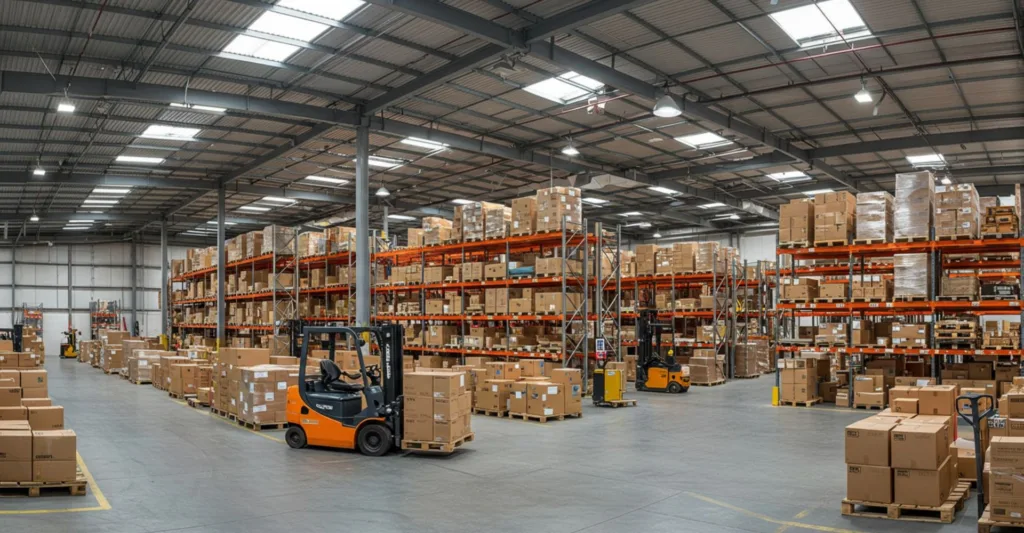
Warehouses provide the basics pests need: food (or product), water, and shelter. Cardboard, pallet voids, piled inventory, and loading docks create harborage and travel lanes for rodents and insects.
In Minnesota, small temperature shifts also push pests indoors, especially rodents that seek warmth and easy food sources as fall and winter approach.
A proactive integrated pest management (IPM) program that blends sanitation, exclusion, monitoring, and targeted treatment is the best defense. For Minnesota businesses, partnering with a commercial pest provider familiar with Twin Cities conditions is essential.
Pest Seasonality Guide For Warehouses
Spring: Shipment pests, thawed nesting, and flying invaders
As temperatures rise, stored-product insects (flour beetles, Indian meal moths, grain pests) become active again. Shipments that sat in trucks or trailers over winter may carry eggs or larvae that then hatch in warm warehouse corners.
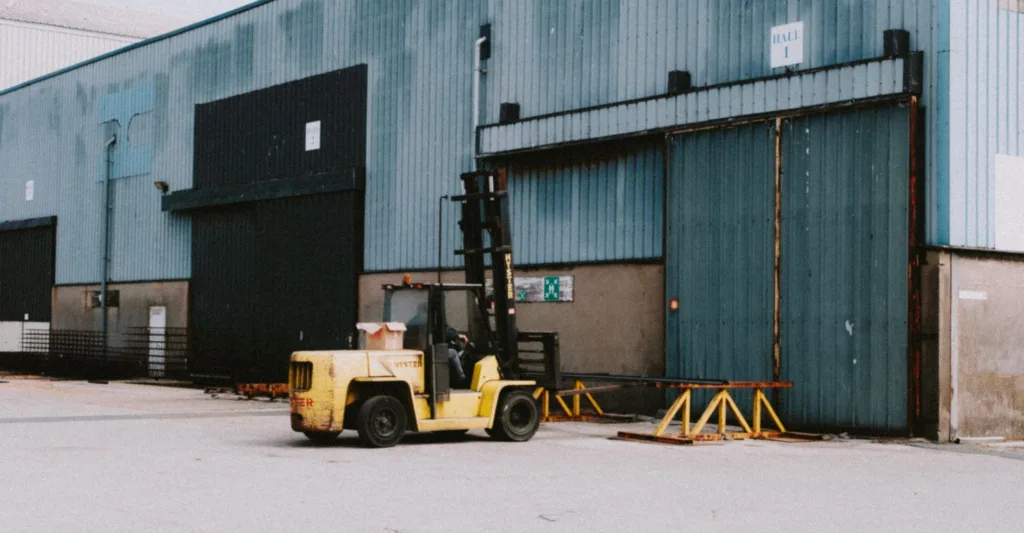
Spring is also when birds and some wildlife resume nesting, which can mean droppings and secondary insect problems if nests are near loading bays. Rigorous incoming shipment inspections and pallet checks are crucial in the spring.
Summer: High insect activity and moisture problems
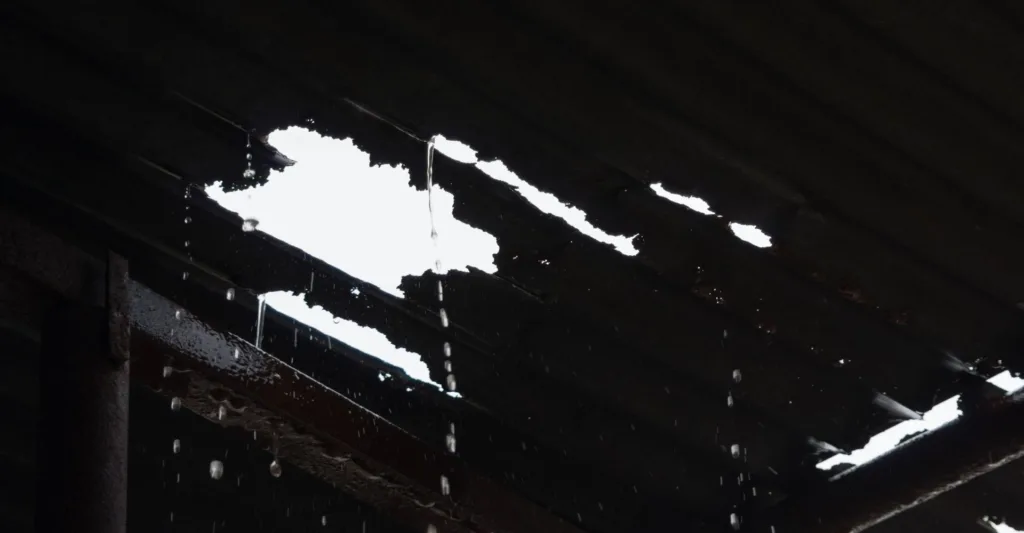
Warm, humid summers increase the activity of flies, ants, cockroaches, and stored-product pests. If your facility has any moisture intrusion (leaky roofs, wet dock areas, or poor HVAC balancing), insect populations can explode. Keep drains clear, manage landscaping, and ensure ventilation in storage aisles since moisture control prevents infestations and keeps perishable goods safe.


Fall: The rodent surge (High risk in Minnesota)
Fall is the season warehouse managers dread in Minnesota. As nights cool, mice and rats move from outdoor harborage into buildings seeking warmth and reliable food.
Rodents are notorious for gnawing through packaging, contaminating products with urine and droppings, and causing electrical fires by chewing wires. The “fall rodent surge” is predictable.
Plan for it by tightening exclusion, increasing monitoring, and stepping up bait-station maintenance. Local commercial pest professionals in the Twin Cities offer targeted rodent programs that align with fall risk.
Winter: Persistent indoor pests and wildlife incursion
Once inside, pests don’t stop. Winter forces wildlife (squirrels, raccoons) to test building access points; birds can nest near warm vents; stored-product pests remain active in heated warehouses. Winter is a time for thorough inspections of structural gaps, attic and roof checks, and ensuring that monitoring devices remain accessible and functional.



The Cost of Pest Damage to Warehouse Inventory
- Direct contamination: Rodent droppings, urine, and insect frass contaminate food and non-food goods, rendering them unsellable. This also creates food-safety and regulatory exposure.
- Physical damage: Chewing, tunneling, and webbing cause package failure and spoilage. Especially costly for bags, boxes, and paperboard.
- Operational disruption: Infested pallets can trigger whole-lot holds, emergency fumigation, disposal costs, and delayed shipments.
- Regulatory and reputational risk: Food and medical warehouses can fail audits if pests or pest evidence are discovered, leading to fines, recalls, or lost contracts: national pest management standards and USDA guidance stress prevention and monitoring for precisely these reasons.
Pest Prevention Guide for Warehouses
- Sanitation & housekeeping (daily/weekly)
Keep aisles clear and inventory off the floor (pallets at least 6–12 inches from walls). Good housekeeping reduces harborage. OSHA
Clean spill and debris areas immediately—sweeping and HEPA vacuums rather than dry sweeping when droppings are suspected. CDC
Manage waste: seal dumpsters, schedule frequent removal, and keep dumpsters away from loading doors.
- Exclusion & building maintenance (monthly/seasonal)
Seal cracks, gaps, and utility penetrations; install door sweeps at dock doors and maintain tight seals on overheads. Even small gaps invite mice.
Check rooflines, vents, and soffits for wildlife entry points—winter and spring checks are critical. Abra Kadabra
- Monitoring & detection (continuous)
Install rodent bait stations and glue boards (in non-food-contact zones) and check them on a regular schedule—weekly during fall surges. Maintain trap logs.
Use pheromone or light traps for stored-product insects near incoming shipments and slow-moving SKUs.
- Shipment inspection & supplier controls (every incoming load)
Inspect pallets visually for damage, droppings, insects, and wetness. Reject or isolate suspect loads for further inspection.
Implement written supplier-control agreements that require clean, pest-free shipments.
- Integrated Pest Management (IPM) strategy
Move from reactive spraying to IPM: combine sanitation, exclusion, monitoring, and targeted, EPA-registered treatments only when needed. IPM is the industry standard for minimizing chemical use while protecting inventory and people.
Special considerations for food, pharma, and high-value goods
Food and pharmaceutical warehouses face stricter audit standards (FDA, USDA, GFSI schemes). They must demonstrate traceability, pest-monitoring logs, and corrective actions. Stored-product pest protocols (blacklight inspections, trap-density plans, and fumigation contingencies) should be in place before the spring and summer shipment seasons. If you store food ingredients, follow industry guidance recommended for food processing and handling facilities.
Pest Response Plan for Warehouses
- Isolate suspected contaminated inventory immediately to prevent spread.
- Document findings—photos, trap reads, location, and product lot numbers. Records matter for audits and insurance.
- Sanitize the area using PPE and methods recommended for rodent waste cleanup—avoid dry sweeping, which can aerosolize pathogens. (Follow CDC cleanup guidance.)
- Increase monitoring and implement temporary exclusion measures (close doors, set extra bait stations).
- Call a commercial pest pro that specializes in warehouses and IPM—especially when product contamination or wildlife is involved. Emergency services may be needed for aggressive wildlife or large infestations.
Environmental Causes of Pests in Minnesota & Twin Cities
- Freeze–thaw cycles: Repeated freezing and thawing in late fall and early spring can create gaps in building envelopes and damaged door seals—prime entry points for mice. Seasonal building inspections before the first freeze are wise.
- Lake effect humidity: Warehouses near lakes in the metro area can experience localized humidity increases that encourage insect activity during summer evenings. Maintain dehumidification in storage aisles.
- Local wildlife: Squirrels, raccoons, and starlings around Twin Cities industrial parks test roofing and soffits. Seasonal checks (especially pre-winter) reduce nesting events. Local pest pros know where these wildlife corridors are and can help prioritize exclusion.
Why work with a local Twin Cities pest partner?
A local partner offers three critical advantages: familiarity with Minnesota’s seasonal pest patterns, knowledge of regional regulatory expectations, and rapid on-site response when seasonal surges occur.
For warehouse managers in metro Minneapolis, a commercial pest provider can build a site-specific IPM plan, train staff on monitoring and sanitation protocols, and keep the documentation auditors want to see. Abra Kadabra Environmental Services provides commercial pest programs tailored to the Twin Cities.
Covering monitoring, exclusion, emergency response, and documentation support for facility managers.
In Conclusion
Seasonal pest pressure is predictable. However, its costs are not. In the Twin Cities, where fall drives rodents indoors and warm months fuel insect outbreaks, an anticipatory, documented IPM program is the difference between a near-miss and a costly inventory loss or audit failure. Start seasonal planning now: tighten exclusion, step up monitoring for the coming fall, and partner with a commercial pest company experienced in Minnesota warehouse needs.