Peter Schenkel may only be 21, but he’s already developed a keen understanding of the importance of providing outstanding service.
That’s because Schenkel has grown up watching his father, Bill – the founder of Excelsior-based Incline Exteriors – build his business by taking excellent care of each and every customer and constantly going above and beyond for them.
“When the company was started in 1995, it was just two guys who were doing everything,” Schenkel said. “They really had to work hard to get their name out there and establish their reputation in the community.”
Now that Schenkel has been working in the family business full time for more than a year, he’s gained an even deeper appreciation for what it means to be customer-service oriented. And as Incline Exteriors seeks to expand its business into the commercial market, he plans to continue upholding the practices that have made the company so successful.
“Providing quality service has always been our top priority,” he said. “That’s never going to change.”
If you’re looking to up your customer service game, here are a few of Schenkel’s thoughts and suggestions:
- Establish one point of contact: Whether you’re working with a home improvement company or trying to settle a credit card dispute, there’s nothing more frustrating than being bounced around and having to explain your situation over and over again. That’s why Schenkel and his team have created a system where the person who sells the service becomes the main point of contact for the customer. “They know they always have that one person they can talk to and get answers from rather than going from person to person and trying to figure out what’s going on,” he said.
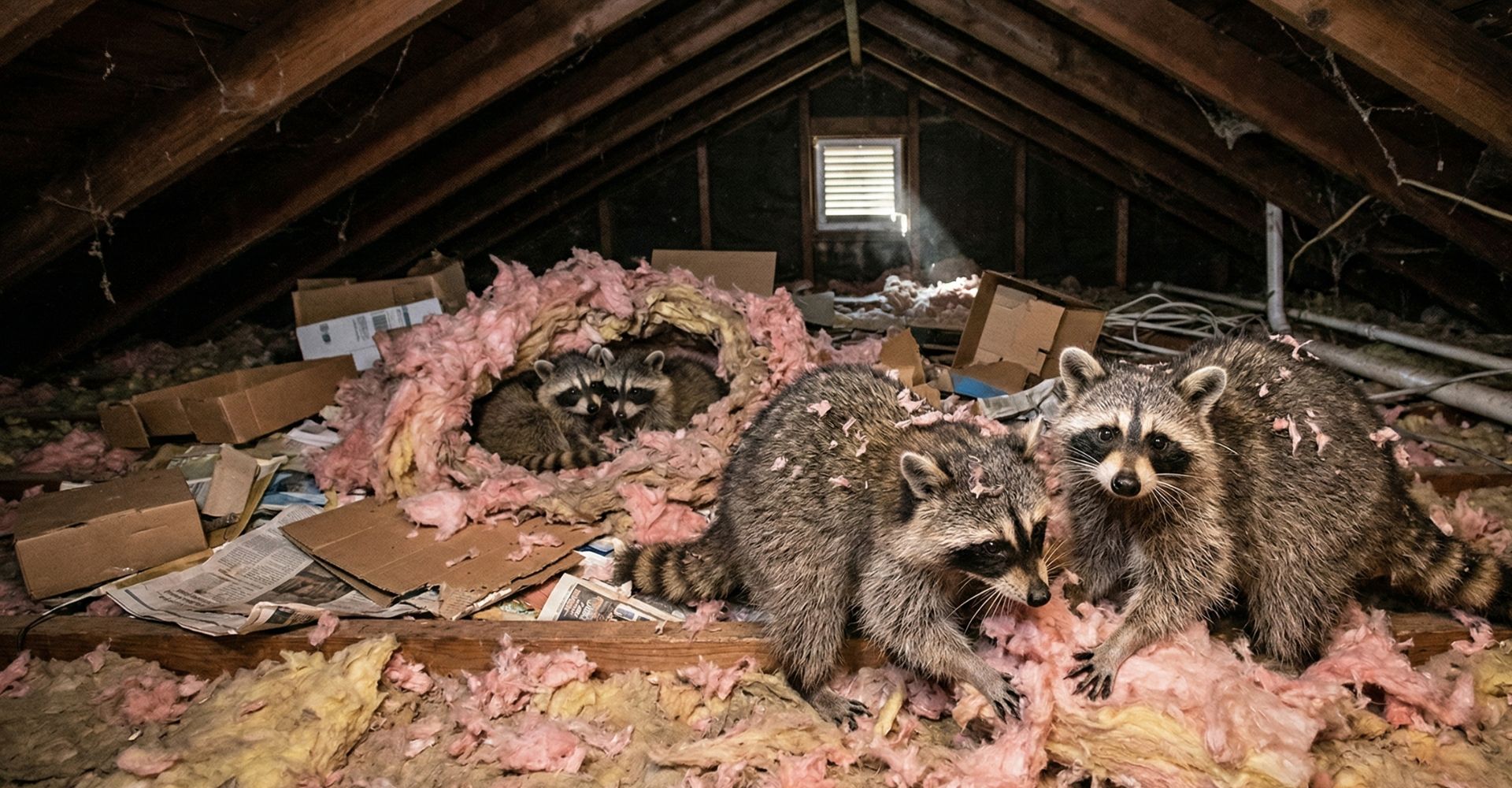
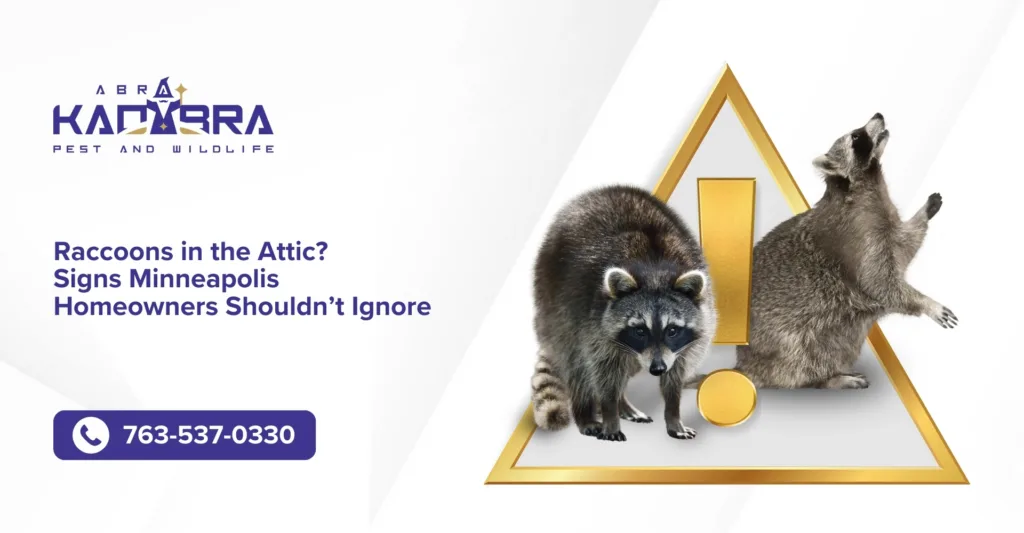
- Communicate clearly:</stroIf you live in the heart of Minneapolis, along the areas toward Edina, or in the surrounding suburbs of Hennepin and Ramsey Counties, one unwelcome visitor that home and business owners increasingly encounter is the raccoon in the attic.
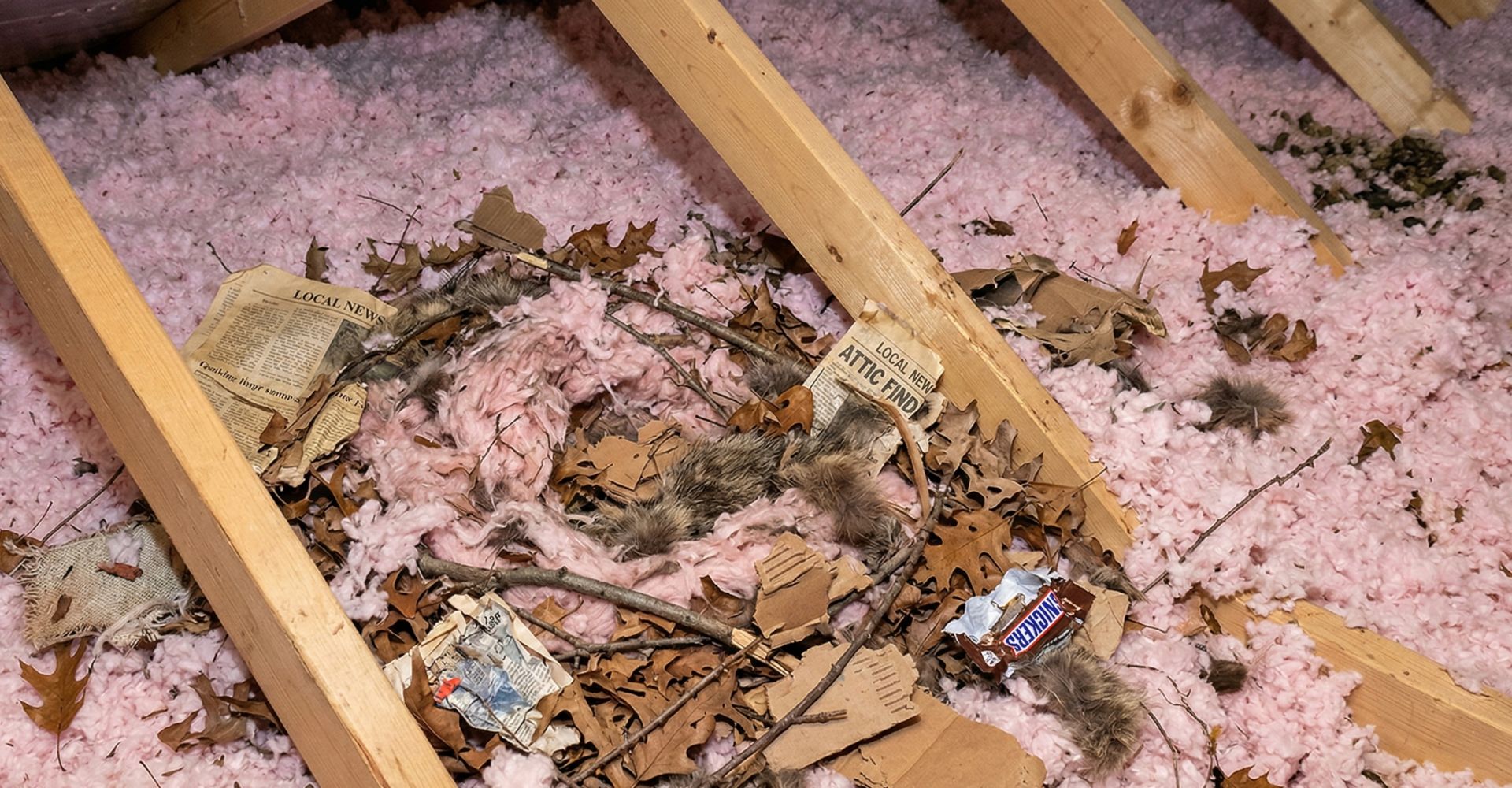
They are smart, adaptable mammals that thrive in Minnesota’s wooded and urban landscapes, but when they make their way into your attic, they can quickly turn a cozy space into a costly problem.
In this blog, we’ll tell you about how raccoons can reach your attic space and what it entails for the safety of your home.
(From common signs of a raccoon infestation to why professional help is often essential, how raccoons cause damage, Minnesota wildlife laws, and how to keep them from returning.)
Why Raccoons Stay in Attics
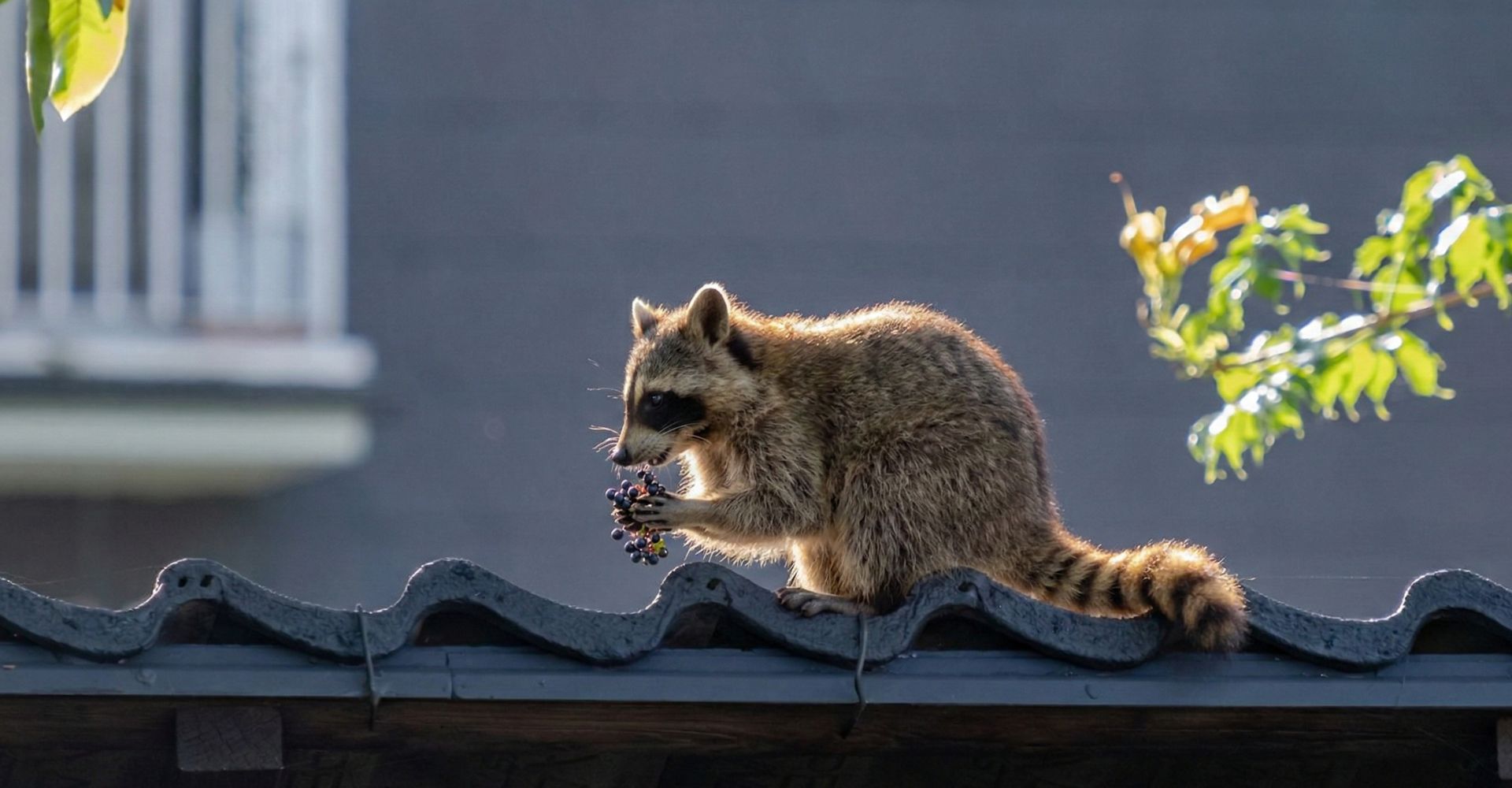
Raccoons (Procyon lotor) are one of the most adaptable mammals in Minnesota.
They can be found in rural woodlands but are just as comfortable navigating urban environments where food and shelter are abundant.
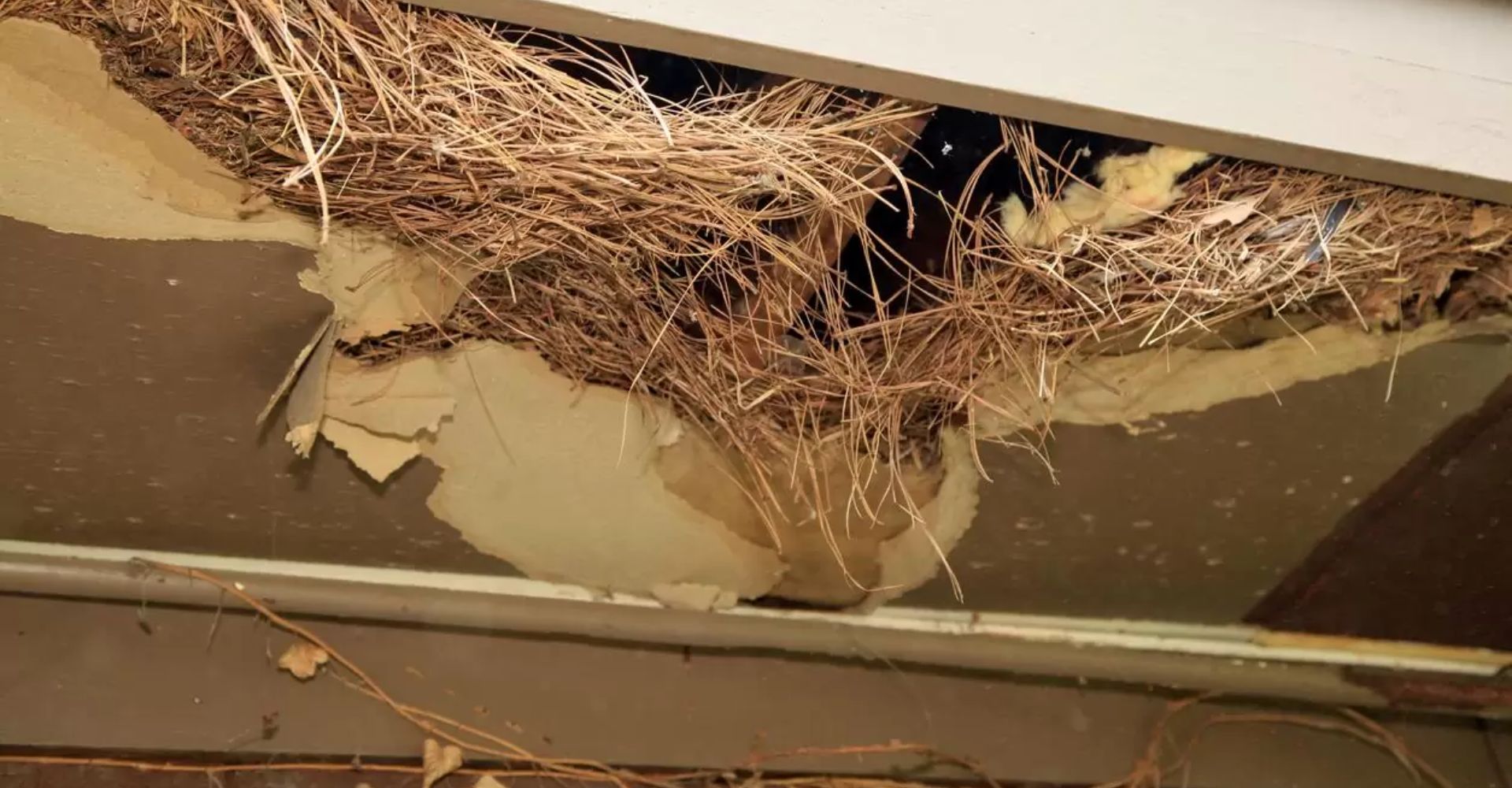
According to the Minnesota Department of Natural Resources (DNR), raccoons use attics and unused chimneys as den sites, especially when rooflines have weak points or uncapped vent openings.
Here are the factors why Raccoons love to stay indoors, and mostly in your attic:
- Warmth — Long winters force raccoons to seek warm and insulated spaces to rest and raise young.
- Shelter from predators — Attics provide enclosed, safe spots away from coyotes, foxes, and birds of prey.
- Easy access — Raccoons are skilled climbers, able to scale trees, gutters, and downspouts to reach roofs and exploit small gaps.
From the outside, even a gap as small as 4 inches can allow a raccoon entry to your attic or wall spaces, according to wildlife damage professionals.ng> Schenkel and his team make a point of being up front with customers so they know the timeline of their project and can plan accordingly. This is especially important in the era of supply chain challenges which can have an impact on the length of the job. “We are always honest about how long things are really going to take,” he said. By being transparent, he’s able to set expectations, which goes a long way in increasing customer satisfaction.
- Do more than what’s expected: “Our number-one goal is keeping our customers happy, even if it means doing something we wouldn’t normally do,” Schenkel said. For example, while he was out on a jobsite, a UPS truck drove straight through his customer’s grass and created a muddy mess. The customer asked him if he could fix it and he didn’t hesitate to say yes. These little things can help build customer loyalty and will also boost referral business as well.
- Be proactive: When Schenkel and his team are at a job, they’ll put up fliers at the houses next door explaining what they’re doing and how long they’ll be there. He also includes his phone number so if the neighbors have any questions or concerns, they know who to contact. This serves a few purposes. First, it mitigates the potential for neighbors to develop negative feelings about the company because they’ll feel informed about what’s going on. Second, it gets their name out there and once the neighbor sees the great job they did, they’ll be more likely to reach out when they need roofing or exterior work.
- Take a straightforward approach: Though Schenkel works hard to ensure every customer has a positive experience, there are always people who will complain. In those cases, he will go out of his way to talk with them, listen to their concerns and explain that he’s going to fix the issue and make it right. “Once people realize you’re not just going to ignore them and that you’re actually committed to making sure their problem is solved, it really deescalates the whole situation and makes it more manageable,” he said.

Incline Exteriors has come a long way in the last 25-plus years and that’s due in large part to their efforts to make connections in the community. Schenkel and his team are active in networking groups and in the local Rotary Club, which has given them the opportunity to build lasting relationships and become known as a trusted service provider.
That’s a major way they’ve been able to differentiate themselves from the competition. “We see a lot of companies come in from other states after a storm has come through and maybe they’ll do a roofing job for cheap, but then they’re gone and no one will be able to get a hold of them,” he said. “But we’re here. We’ve always been here and we’ll always be here.”
Abra Kadabra Environmental Services is proud to share the wisdom of business owners from our community through our thought leadership series. If you’d like to be featured, click here.