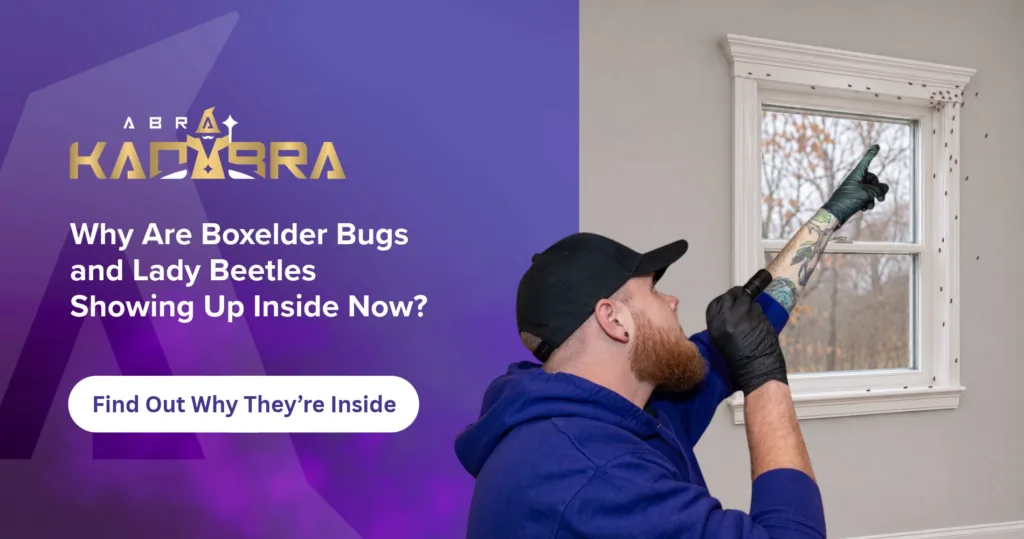
The windows are closed, the weather is colder, and somehow there are still bugs on the windowsill. You remove a few, then find more in the same room the next afternoon.
For Minnesota homeowners, boxelder bugs and multicolored Asian lady beetles can make fall feel like an ongoing indoor pest season. Understanding how they got there helps explain both what you can do today and how Abra Kadabra Environmental Services can help reduce the problem in future seasons.
Our approach starts with identifying the insect, assessing the pattern, and matching prevention to the time of year. That gives you a practical response to current sightings and a plan for the parts of your home that need attention.
Why they appear after the weather turns cold
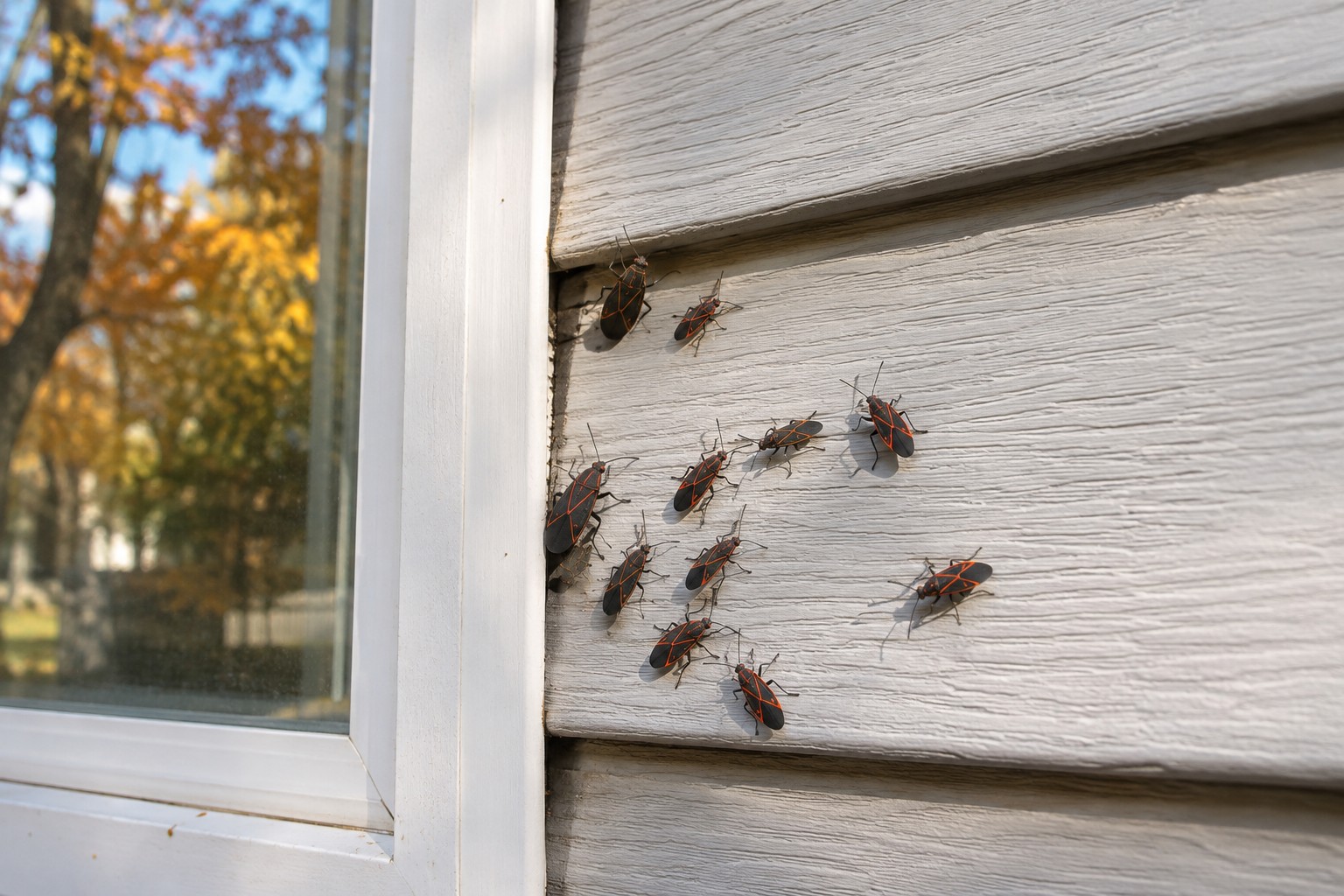
Both insects seek sheltered places in fall. Some settle in protected building spaces and later become active when warmth reaches them. A sunny window can become a gathering place even though the insects entered earlier in the season.
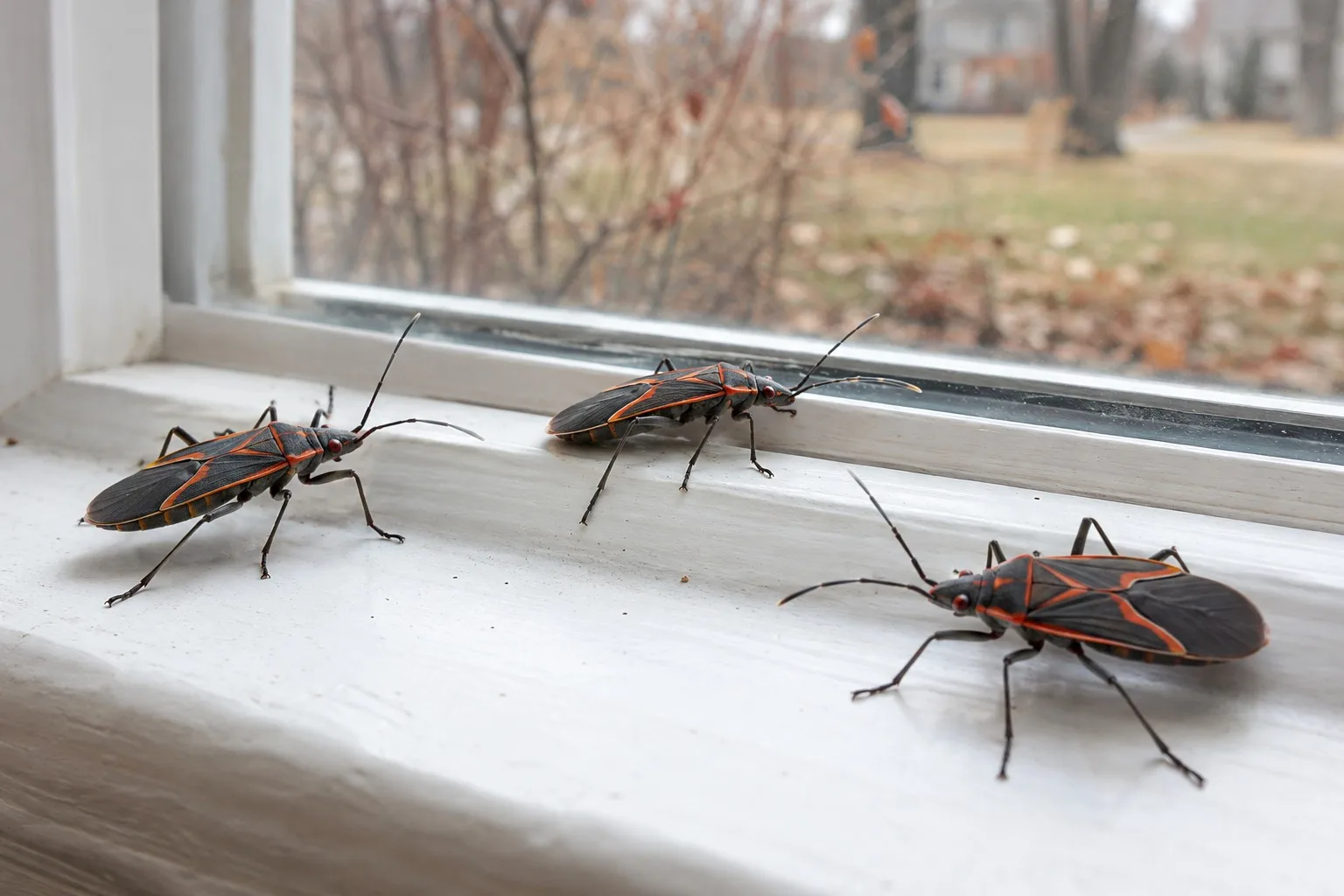
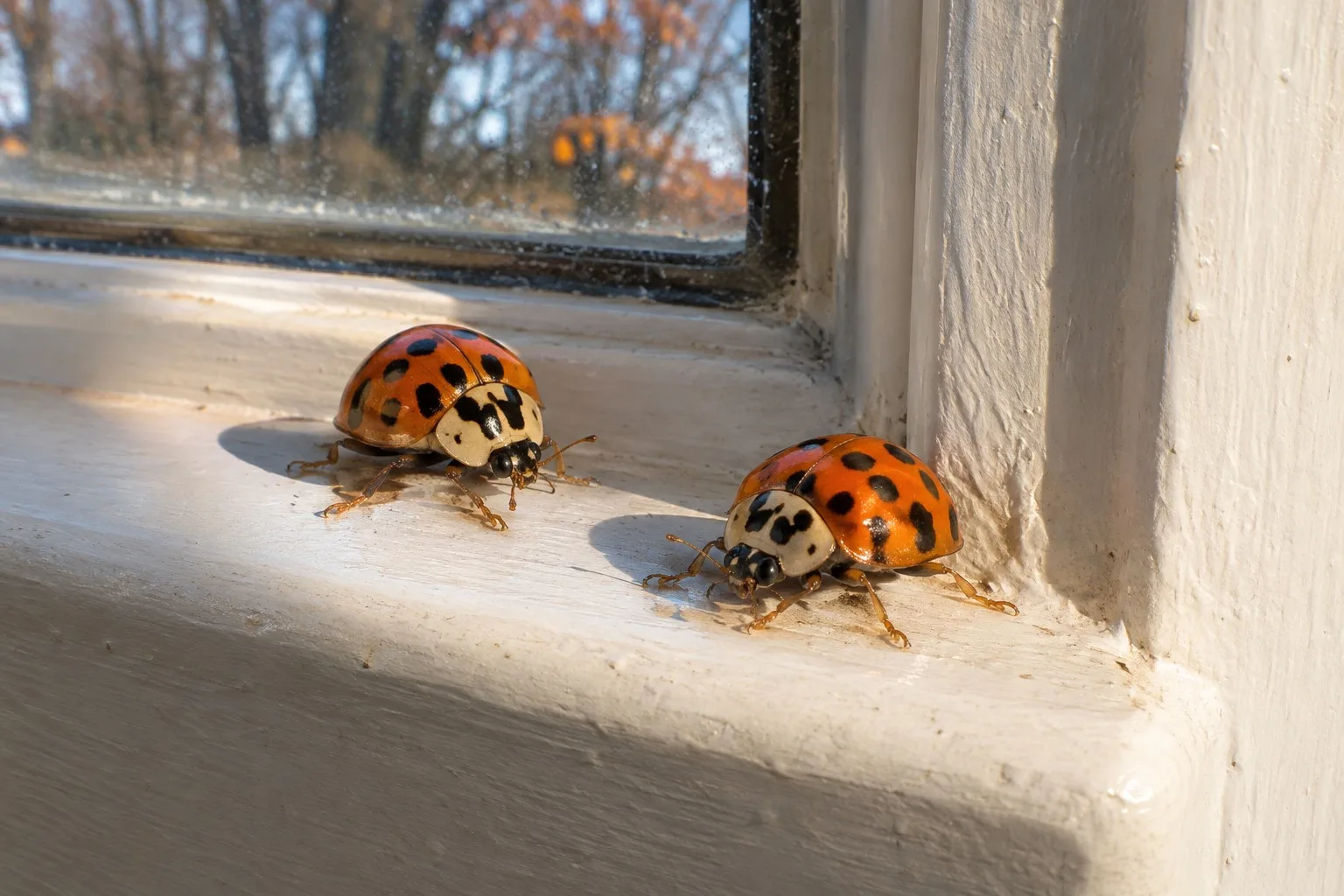
Boxelder bugs have elongated black bodies with red or orange markings. Asian lady beetles are rounded, vary in color and spots, and often have a dark M-shaped marking behind the head. Neither reproduces inside homes. Repeated sightings can reflect insects emerging from shelter at different times.
This seasonal behavior matters when planning service. An inspection should consider the home’s exterior and its history of fall activity as well as the room where insects appear. The visible window may be some distance from the opening originally used.
What your sightings help us investigate
When you call Abra Kadabra, tell us which rooms are affected, whether the insects gather on particular windows, and whether this happens every year. Photos can help us confirm what you are seeing. Note whether activity changes on warm afternoons and whether you noticed clusters outdoors earlier in fall.
Those details guide the assessment. For example, repeated sightings around an upper-floor window may warrant attention to accessible trim and roofline details. Activity around a door may lead us to assess the frame, sweep, and nearby exterior surfaces. We use the pattern to identify areas worth investigating.
Identification comes first because different indoor insects need different responses. A beetle associated with stored food calls for an investigation of the food source. A seasonal overwintering insect raises questions about shelter and access. Our recommendations depend on that distinction.
What you can do when bugs appear inside
Vacuuming visible boxelder bugs and lady beetles is a practical removal method. Empty the container or change the bag promptly so insects cannot escape. Avoid crushing them against trim or fabric because they can produce odors or staining.
Indoor sprays have limited value for lady beetles emerging from hidden spaces. University of Minnesota Extension recommends physical removal of visible insects. An outdoor prevention treatment applied after insects have settled into shelter also cannot reach every individual already inside.
If sightings are frequent or the identification is uncertain, contact us with a photo. We can help you understand the activity and discuss what an assessment or service plan could add. You should have realistic expectations about what can be improved now and what depends on next season’s timing.
How Abra Kadabra assesses your home’s prevention needs
Our residential pest services begin with an inspection to identify relevant activity and access. For recurring fall insects, that conversation includes the areas you report, the building’s accessible exterior details, and conditions around the home.
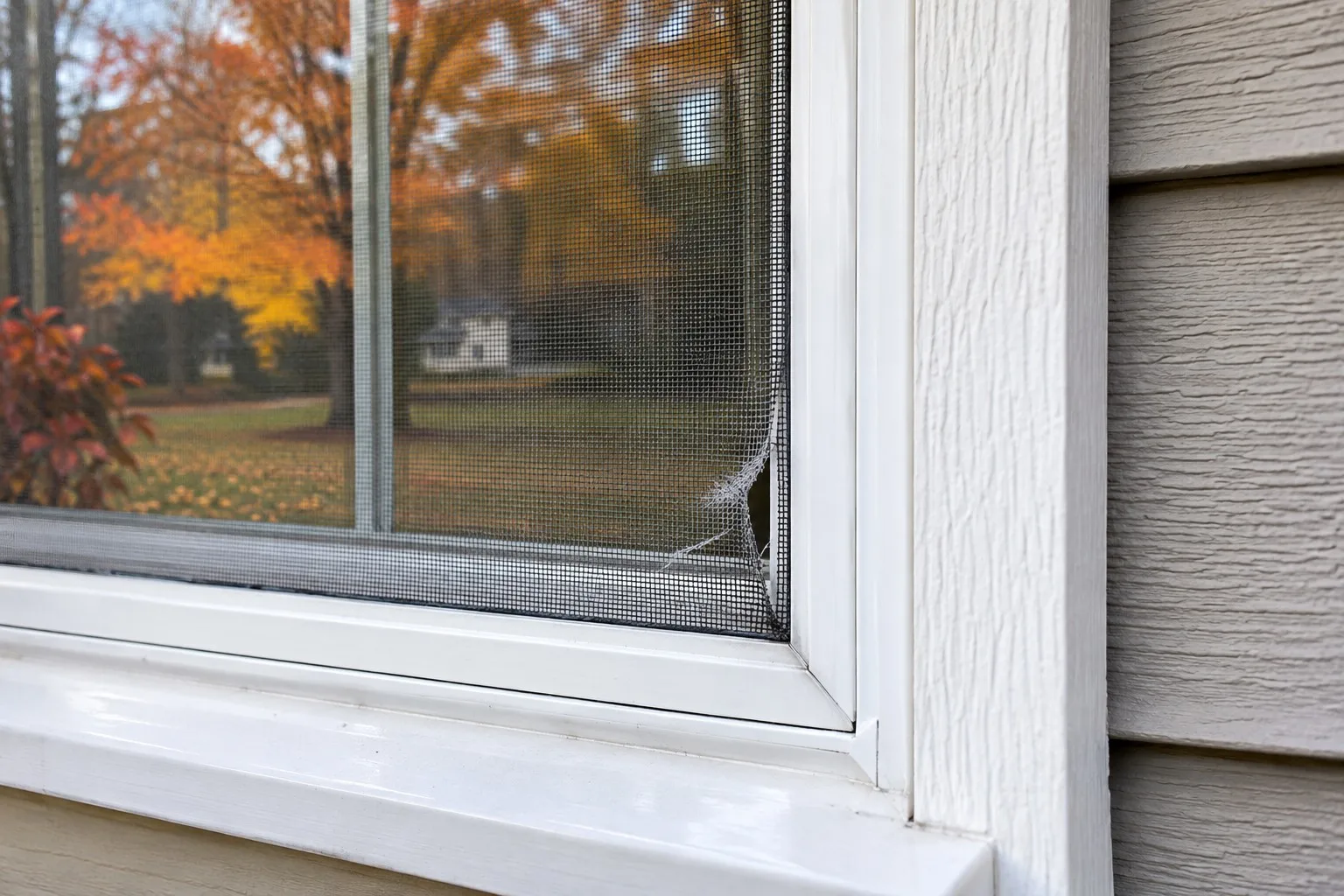
We may recommend attention to window and door gaps, damaged screens, utility penetrations, or vulnerable transitions between materials. The repair needs to fit the structure. Drainage openings and required ventilation should continue to function after pest-prevention work.
Some concerns can be addressed through routine maintenance. Other openings may warrant professional exclusion work. When structural protection is appropriate, we can discuss the scope and whether our exclusion team should evaluate it. That helps you understand who will handle each part of the plan.
Why the timing of exterior service matters
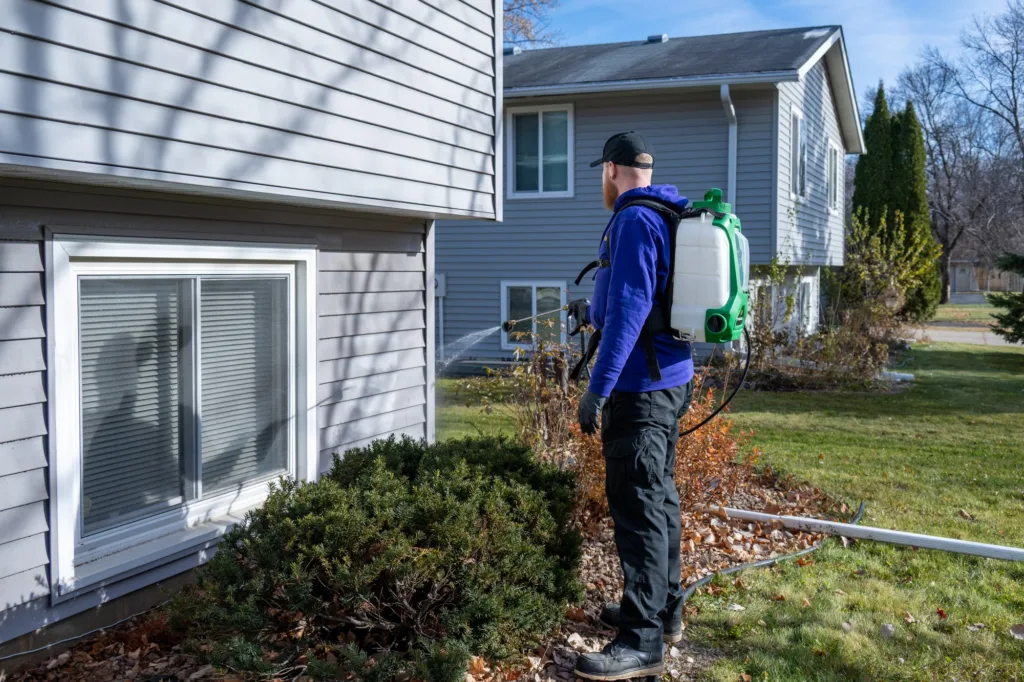
Abra Kadabra provides exterior pest treatment as part of its residential service offerings. For overwintering insects, the useful prevention window is tied to their outdoor activity before they settle into shelter. Your home’s history helps us discuss when to prepare for that period.
Treatment recommendations depend on the insect, the site, weather conditions, and the product label. Tell us about the surfaces where bugs gather and any concerns around the treatment area. We can explain the proposed service and any preparation instructions that apply.
If you are calling in late fall or winter, the plan may begin with identifying current sightings and assessing repair needs. We can also discuss seasonal service ahead of the next fall migration. Starting the conversation now gives you time to arrange maintenance and understand the available options.
When recurring pest service makes sense
Some homeowners contact us each year after insects are already inside. A recurring pest plan can give you a way to address seasonal concerns before the same pattern repeats. Ask which insects the program covers, how visits are scheduled, and what support is included if activity returns.
Your home may have several concerns over the course of a year. The program should account for the pests you actually encounter and the services you need. We can explain the available options, including whether separate exclusion or rodent work is recommended.
Keeping a few notes about this year’s sightings can make that discussion more productive. The affected rooms, outdoor gathering areas, and approximate timing help us connect your experience with the next prevention opportunity.
Let us help you plan beyond the windowsill
Seeing bugs indoors is frustrating, especially after you have already removed several groups. Our job is to help you understand the cause and choose practical next steps. That may include identification, inspection, exterior service when appropriate, or recommendations for protecting vulnerable openings.
Contact Abra Kadabra about the boxelder bugs or lady beetles appearing in your Minnesota home. We can assess your concern, explain what the season means for service, and help you prepare a prevention plan that fits your home.