
Waking up with itchy bites is enough to make anyone uneasy. Your first thought might be mosquitoes, allergies, or dry skin. But if the bites keep appearing, especially after sleeping, it’s natural to wonder if bed bugs could be the cause.
The good news is that finding bed bugs doesn’t mean your home is dirty.
Bed bugs don’t care how clean your home is or how often you vacuum. They travel by hitchhiking on luggage, clothing, used furniture, backpacks, and other personal belongings. Once they’re inside, they look for places to hide close to where people sleep.
The sooner you identify the problem, the easier it is to stop it from spreading.
What Are Bed Bugs?
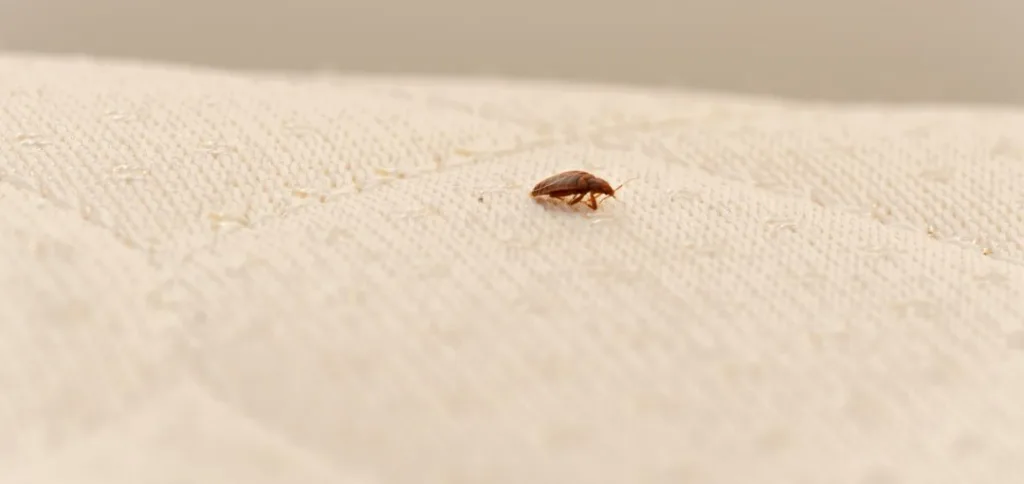
Bed bugs are small, reddish-brown insects that feed on human blood, usually while people are sleeping. Adult bed bugs are about the size of an apple seed and are experts at hiding in small cracks and crevices during the day.
Unlike fleas, they don’t jump.
Unlike cockroaches, they aren’t attracted to food left on the counter.
Their goal is simple: stay hidden, feed when people are asleep, and continue reproducing.
Because they’re excellent at hiding, many homeowners don’t realize they have bed bugs until the population has already grown.
Signs You May Have Bed Bugs
Bites alone aren’t enough to confirm bed bugs. Everyone reacts differently, and some people don’t react at all.
Instead, look for several signs together.
Common indicators include:
- Small reddish-brown bugs around mattresses or furniture
- Tiny white eggs or shed skins
- Small dark spots on mattresses or sheets
- Blood spots on bedding
- Itchy bites that appear after sleeping
Bed bugs commonly hide in:
- Mattress seams
- Box springs
- Bed frames
- Headboards
- Nightstands
- Upholstered furniture
- Cracks behind baseboards or picture frames
If you’re finding several of these signs, it’s time for a professional inspection.
How Do Bed Bugs Get Into Your Home?
One of the biggest misconceptions about bed bugs is that they only affect dirty homes.
That’s simply not true.
Bed bugs are expert hitchhikers. They travel from place to place by hiding in personal belongings and are often introduced after:
- Traveling
- Staying in hotels or vacation rentals
- Purchasing used furniture
- Bringing home secondhand mattresses
- Living in apartments or multi-unit housing
- Having overnight guests
Once inside, they spread by moving from room to room or hitching rides on clothing, backpacks, and other belongings.
What Should You Do If You Think You Have Bed Bugs?
If you suspect bed bugs, resist the urge to start moving furniture or carrying bedding throughout the house.
That can actually spread the infestation.
Instead:
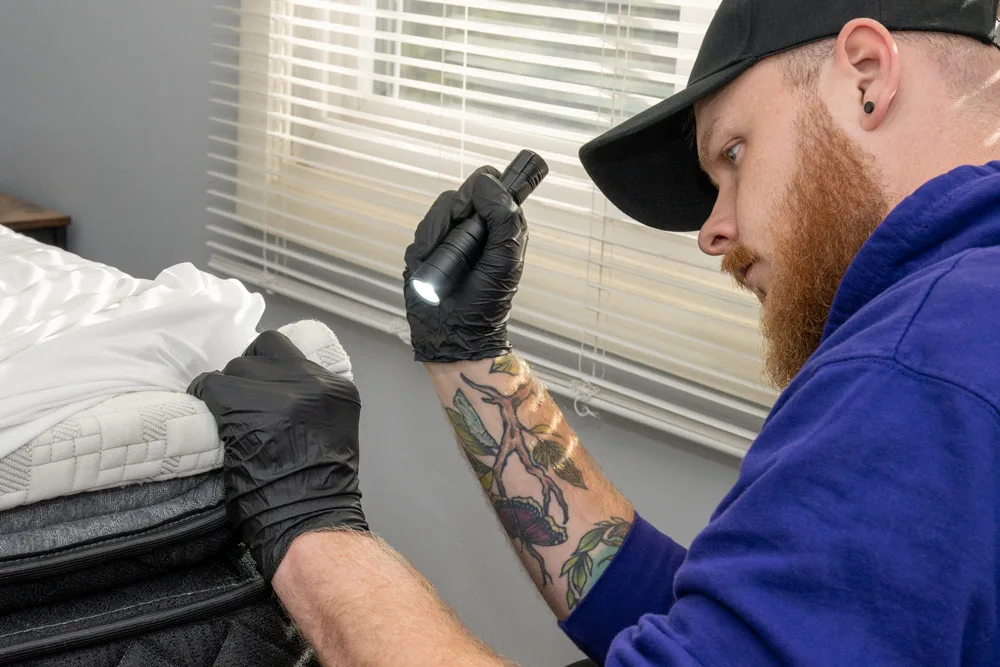
- Inspect sleeping areas carefully.
- Wash bedding and clothing in hot water when appropriate.
- Dry items on the highest heat setting recommended for the fabric.
- Reduce clutter around beds and furniture to make inspections easier.
- Avoid bringing used furniture into your home unless it has been thoroughly inspected.
Most importantly, schedule a professional inspection before the problem grows.
Can You Get Rid of Bed Bugs Yourself?
Many homeowners try over-the-counter sprays or home remedies first.
Unfortunately, bed bugs are one of the most difficult household pests to eliminate without professional equipment and experience.
They hide deep inside furniture, behind trim, and in tiny cracks that sprays often can’t reach. Missing even a small number of bed bugs or eggs can allow the infestation to continue.
That’s why DIY treatments often seem to work at first, only for bed bugs to reappear a few weeks later.
Professional Bed Bug Treatment
At Abra Kadabra Environmental Services, we understand how stressful discovering bed bugs can be.
Our approach begins with a thorough inspection to confirm the infestation and determine its extent. From there, we’ll recommend a treatment plan based on your home and the level of activity.
We also provide guidance on preparing your home before treatment and what to expect afterward, helping you feel informed throughout the process.
Because every infestation is different, there’s no one-size-fits-all solution. Our goal is to eliminate bed bugs as efficiently as possible while helping reduce the chance of future problems.
How to Help Prevent Bed Bugs
While no one can completely eliminate the risk of bed bugs, a few habits can help reduce the chances of bringing them home.
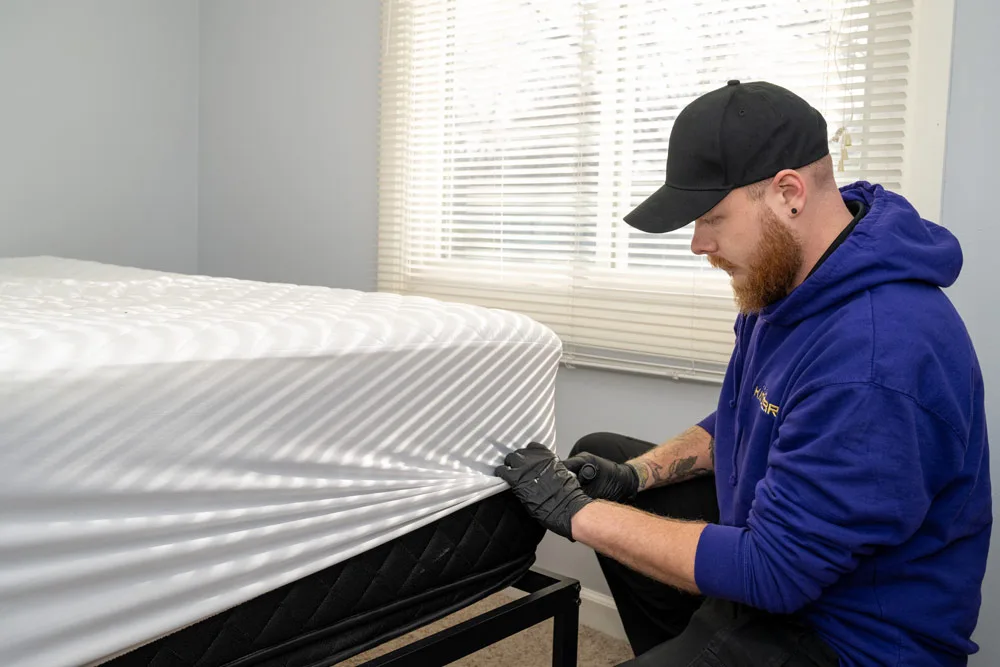
After traveling, inspect luggage before bringing it inside and wash clothing as soon as possible. Be cautious when purchasing secondhand furniture, especially mattresses and upholstered items. If you’re staying in a hotel, take a few minutes to inspect the mattress seams and headboard before unpacking.
These simple steps won’t guarantee you’ll never encounter bed bugs, but they can lower your risk.
Frequently Asked Questions
Do bed bugs only live in dirty homes?
No. Bed bugs can be found in clean and well-maintained homes just as easily as anywhere else. They’re attracted to people, not dirt.
Can bed bugs make you sick?
Bed bugs are not known to transmit diseases through their bites. However, their bites can cause itchy welts, allergic reactions in some individuals, and significant stress or loss of sleep.
Can I sleep in my bed if I have bed bugs?
Many people continue using their bed while treatment is being planned. Sleeping elsewhere without professional guidance may encourage bed bugs to spread into other areas of the home.
How long does it take to get rid of bed bugs?
Every infestation is different. The timeline depends on the size of the infestation, where bed bugs are hiding, and the treatment plan being used.

You Don’t Have to Fight Bed Bugs Alone
Discovering bed bugs can feel overwhelming, but you’re not the first homeowner to experience it, and you don’t have to solve it by yourself.
Early action is the best way to prevent a small problem from becoming a larger infestation.
If you think you have bed bugs or simply want the peace of mind that comes with a professional inspection, Abra Kadabra Environmental Services is here to help. Our experienced team will inspect your home, explain your treatment options, and develop a plan designed to eliminate bed bugs and help you get back to sleeping comfortably.