Most homeowners don’t think much about wildlife until they hear scratching in the attic or discover something has made its way into the garage.
By then, the animal has already found a way inside.
Whether it’s squirrels, raccoons, bats, birds, or mice, wild animals are constantly looking for safe places to nest, raise their young, or escape Minnesota’s harsh winters. Your attic, chimney, soffits, and crawl spaces can provide exactly the shelter they’re searching for.
The most effective solution isn’t simply removing the animal. It’s making sure it can’t come back.
That’s where wildlife exclusion comes in.
What Is Wildlife Exclusion?
Wildlife exclusion is the process of keeping animals out of your home by identifying and sealing the places they use to get inside.
Unlike trapping or relocating an individual animal, exclusion addresses the reason the problem exists in the first place. If entry points aren’t repaired, another animal can often move into the same space weeks or even days later.
A complete wildlife exclusion plan typically includes:
- A thorough inspection of your home’s exterior
- Identifying active and potential entry points
- Safely removing animals when necessary
- Sealing openings with durable materials
- Recommending repairs or maintenance that help prevent future problems
The goal is simple: keep wildlife outside, where it belongs.
What Animals Commonly Get Into Minnesota Homes?
Minnesota is home to a wide variety of wildlife, and many of these animals are surprisingly good climbers, jumpers, or diggers.
Some of the most common wildlife issues homeowners experience include:
- Squirrels nesting in attics
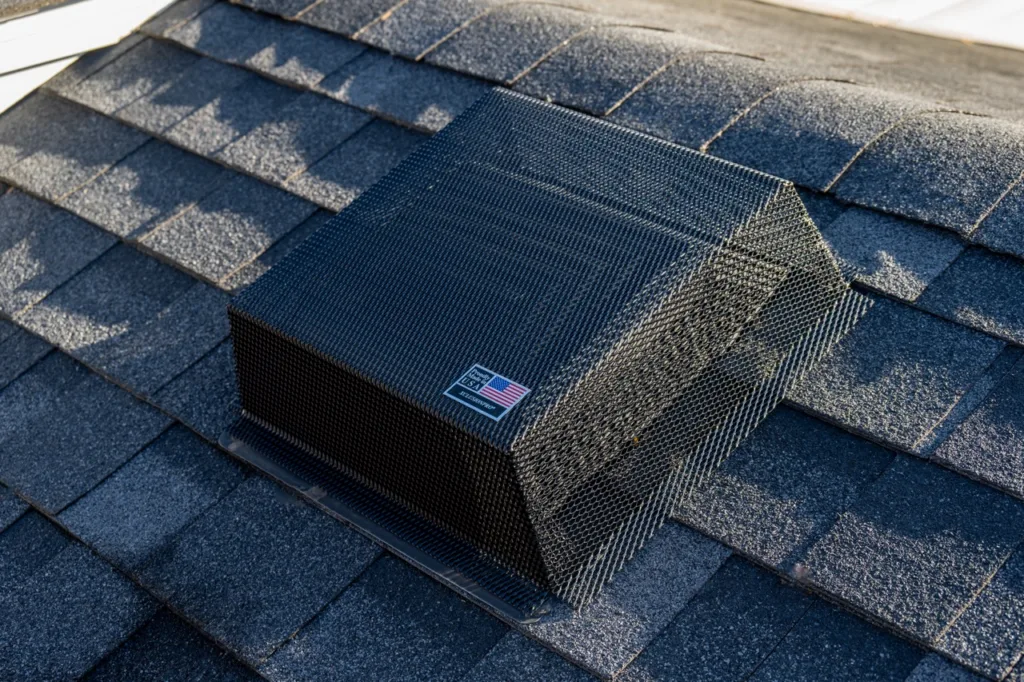
- Raccoons entering through damaged soffits or roof vents
- Bats roosting in attics and wall voids
- Birds nesting inside vents or chimneys
- Mice entering through small gaps around the foundation or utility lines
Each species behaves differently, but they all have one thing in common: they take advantage of small weaknesses in your home’s exterior.
How Do Animals Get Into a House?
Most wildlife doesn’t force its way inside. Instead, it finds openings that already exist.
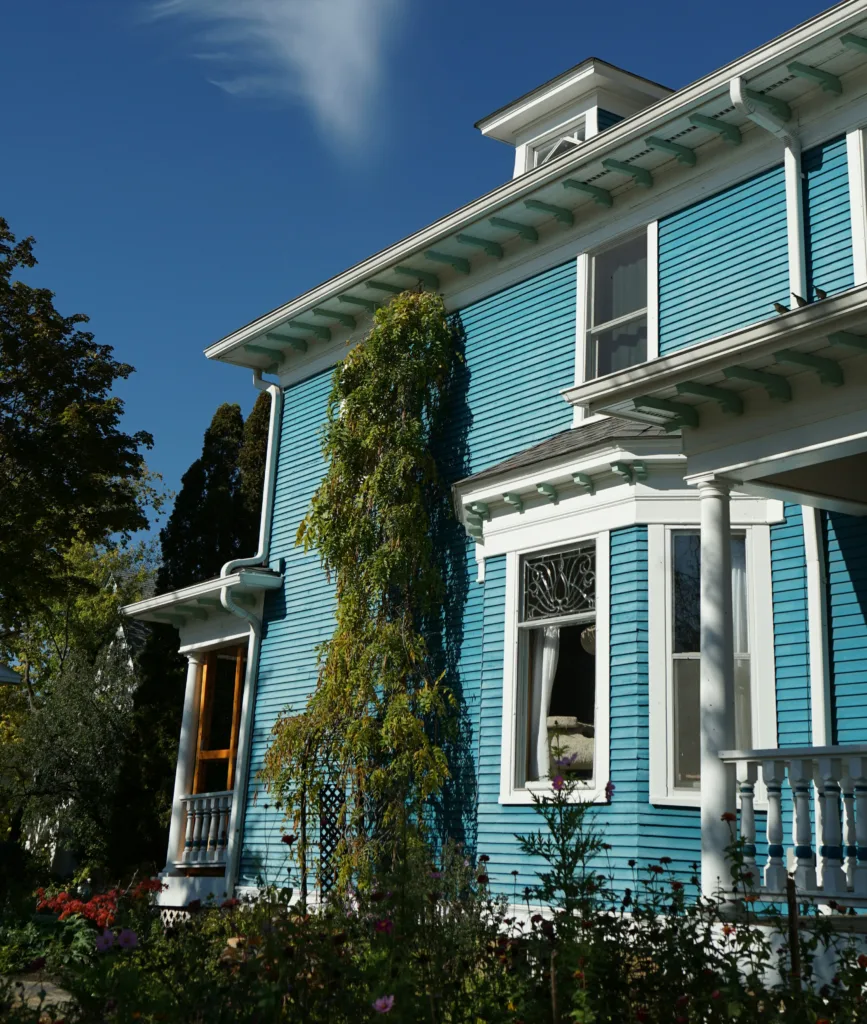
Over time, homes naturally develop gaps around rooflines, vents, utility penetrations, chimneys, and siding. Weather, aging materials, and storm damage can all create opportunities for animals to enter.
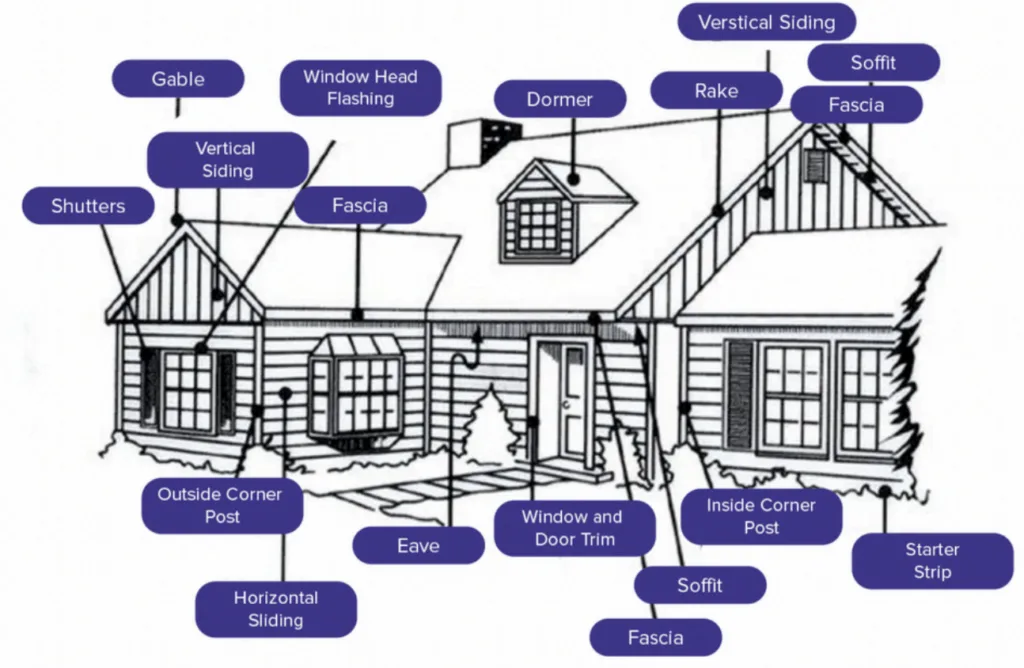
Common entry points include:
- Roof vents
- Soffit and fascia damage
- Chimneys
- Gable vents
- Loose siding
- Gaps around utility lines
- Foundation openings
- Damaged crawl space vents
Many of these openings are difficult to spot from the ground, which is why professional inspections are so valuable.
Why Removing the Animal Isn’t Enough
One of the biggest misconceptions about wildlife control is that once the animal is gone, the problem is solved.
Unfortunately, that’s rarely the case.
If the opening remains, another squirrel, raccoon, or other animal may find it just as easily. Even if the same species doesn’t return, a different one might.
That’s why exclusion is such an important part of long-term wildlife control. Closing entry points helps protect your home long after the original animal has been removed, preventing future issues.
Why Wildlife Can Cause More Than Just Noise
Scratching in the attic may be the first thing you notice, but wildlife can create several other problems if left unchecked.
Depending on the species, animals may:
- Damage insulation while building nests
- Chew wood or electrical wiring
- Leave droppings and urine behind
- Create unpleasant odors
- Damage soffits, vents, or roofing materials
The longer animals remain inside, the greater the potential for costly repairs.
When Should You Call a Wildlife Professional?
It’s a good idea to call a professional as soon as you notice signs of wildlife activity.
You may hear scratching or movement in the attic, notice droppings around your home, or see animals regularly entering and leaving the same area of your roof. Sometimes the only clue is damaged soffits or insulation sticking out of a roof vent.
Wildlife removal often requires specialized equipment and knowledge, especially when young animals are present or protected species such as bats are involved. Attempting to seal an entry point without confirming the animal has left can create even bigger problems.
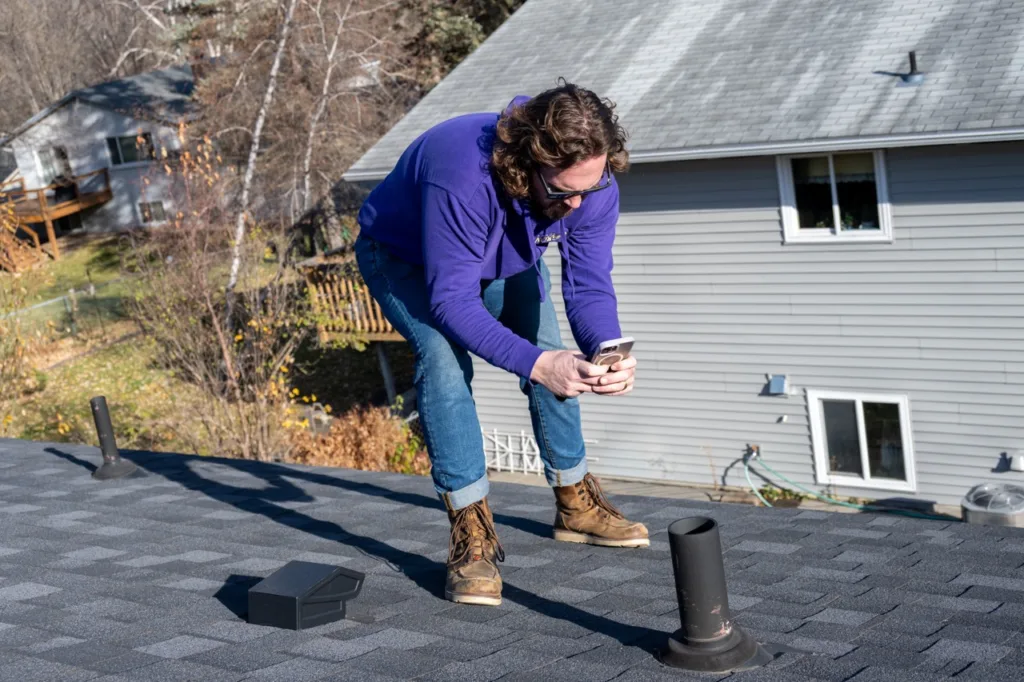
A professional inspection helps determine what’s happening, how the animal is getting inside, and the safest way to resolve the issue.
Why Professional Wildlife Exclusion Works
At Abra Kadabra Environmental Services, we focus on solving the problem, not just treating the symptom.
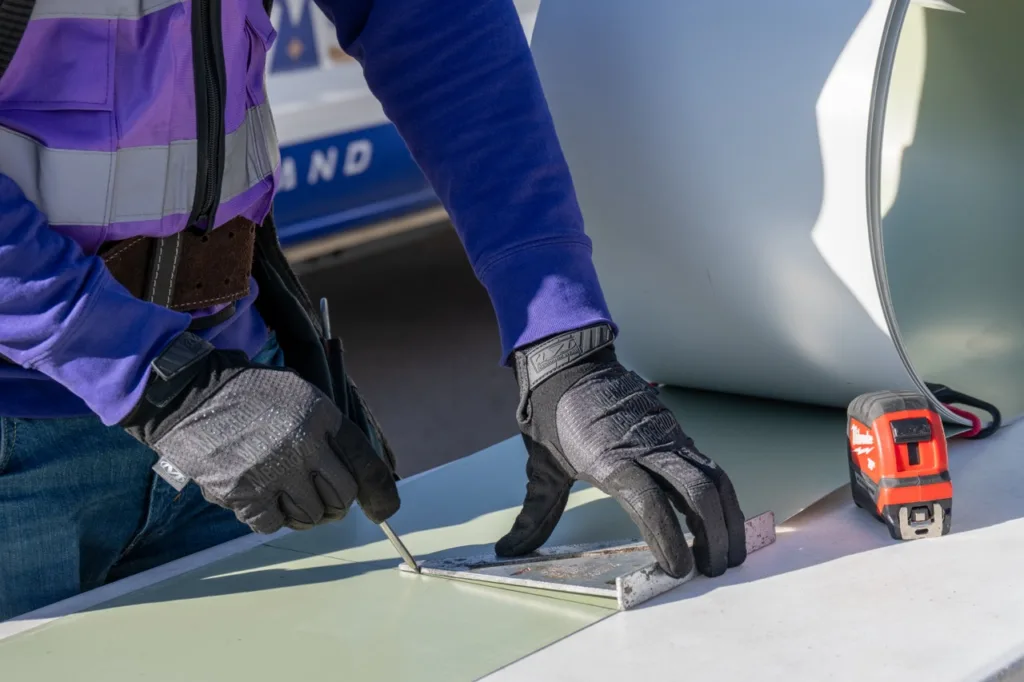
Our wildlife exclusion services begin with a detailed inspection to identify entry points and evaluate how animals are accessing your home. After wildlife has been safely addressed, we install durable exclusion materials designed to help prevent future intrusions.
Because every home is different, our recommendations are based on your property’s construction, the type of wildlife involved, and the areas most vulnerable to future activity.
The result is a long-term solution that helps protect your home year after year.
Frequently Asked Questions
What is wildlife exclusion?
Wildlife exclusion is the process of preventing animals from entering your home by locating and sealing the openings they use to gain access. In other words, animal proofing your home.
Does removing an animal solve the problem?
Not always. If entry points aren’t repaired, another animal can often move into the same area.
What animals commonly get into Minnesota attics?
Squirrels, raccoons, bats, birds, and mice are among the most common wildlife found in Minnesota homes.
Is wildlife exclusion better than trapping?
In many cases, yes. While trapping or removal may be necessary, exclusion provides a longer-term solution by preventing animals from returning.
Protect Your Home Before Wildlife Moves In
Wildlife problems rarely happen overnight. Animals often take advantage of small openings that have been there for months or even years.
By identifying and sealing those entry points early, you can avoid expensive repairs, unwanted noise, and repeat infestations.
If you’ve noticed signs of wildlife around your home or want to make sure your property is protected before the next season, Abra Kadabra Environmental Services can help. Contact our team today to schedule a professional wildlife inspection and learn how exclusion can provide lasting protection for your Minnesota home.