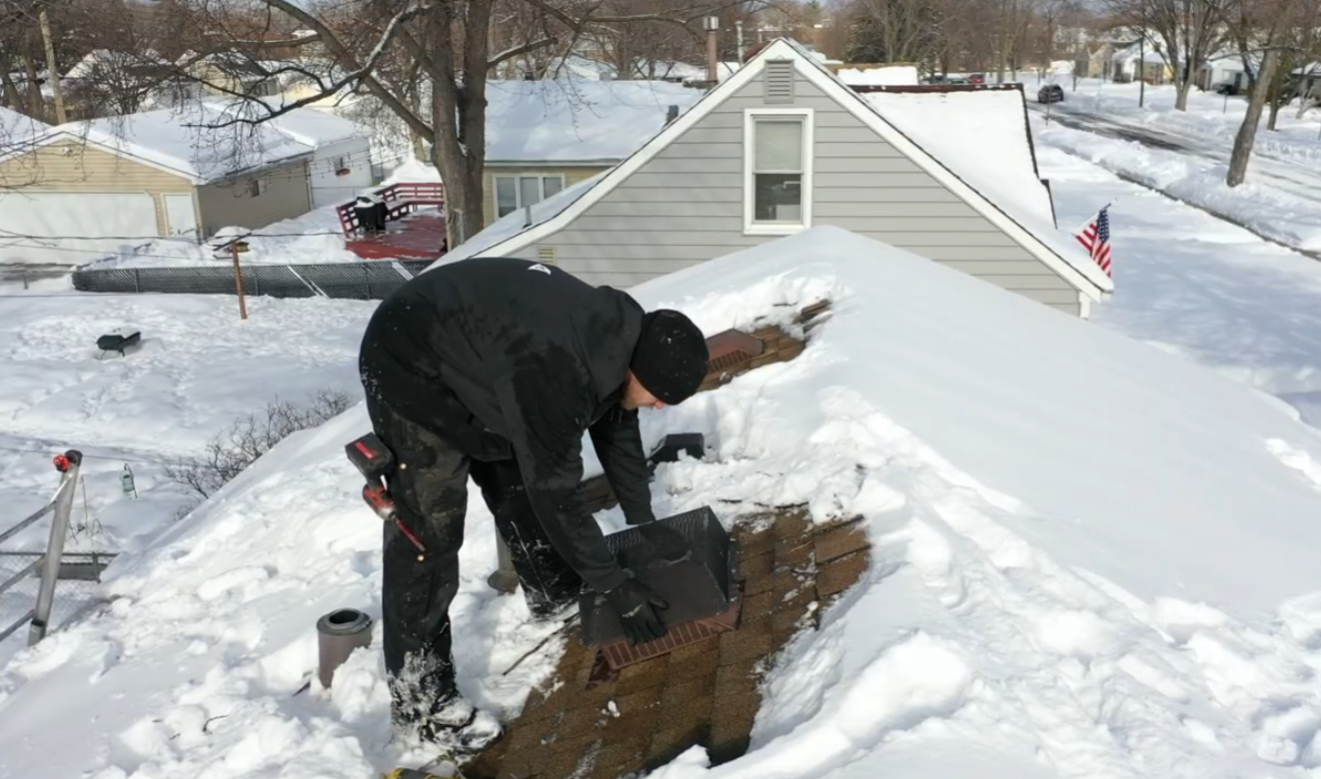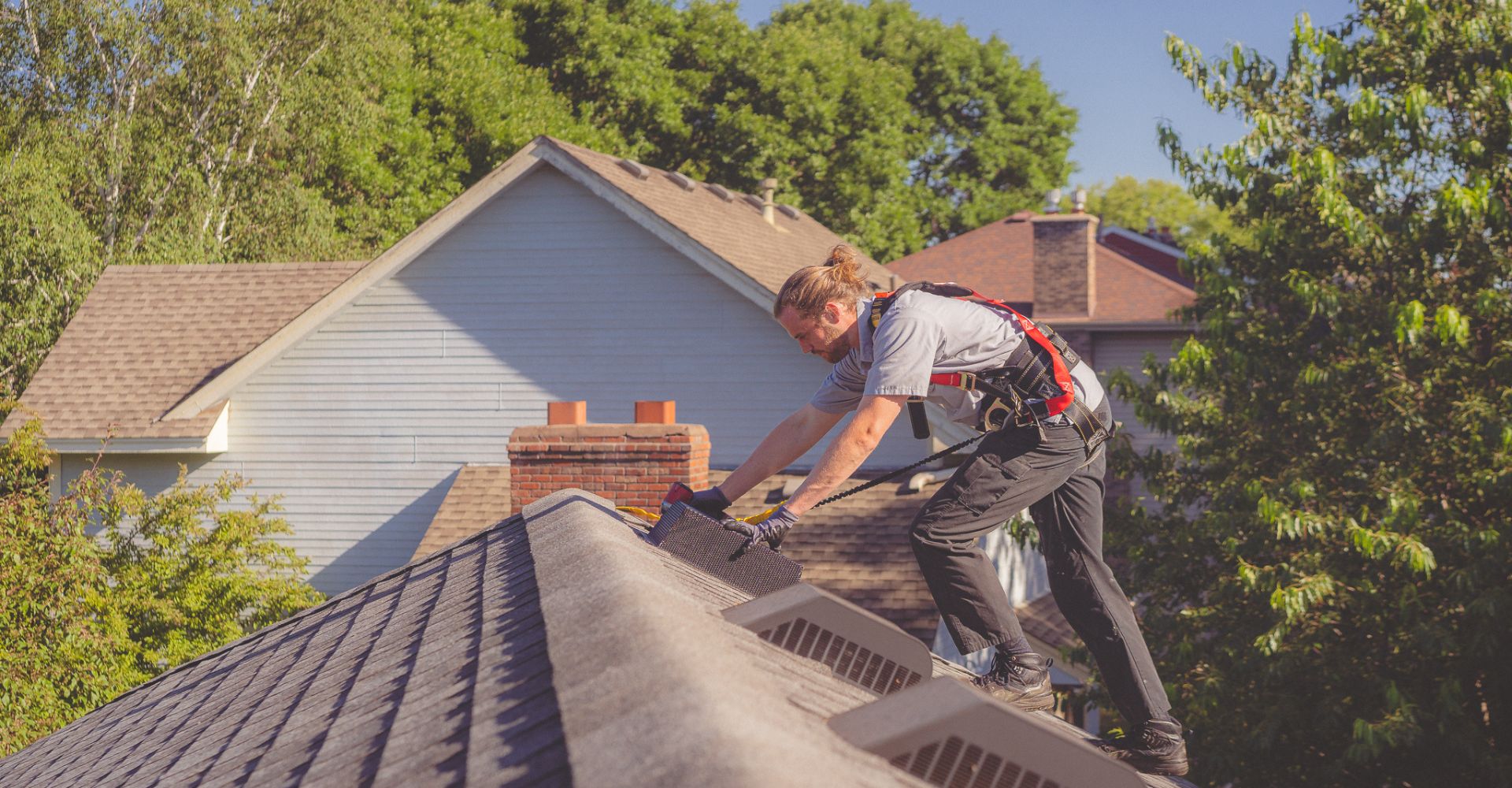
Your roof is one of the most difficult parts of your home to access without a ladder or specialized equipment. For your safety, never attempt to climb it without proper precautions. If you’re facing complex roofline issues and no one in your household is able to safely reach the area, it’s best to call a professional, especially if the damage is significant.
Now let’s cut to the chase: while it may seem like a small component, your roof plays a big role in your home’s health. It regulates airflow, prevents moisture buildup, and helps shield your house from both environmental and biological threats.
One of the most common questions homeowners ask is: Should attic vents be covered?
The answer is yes. But not in the way you might think.
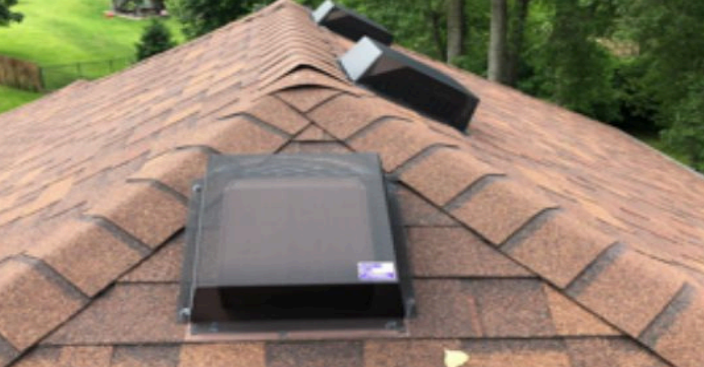
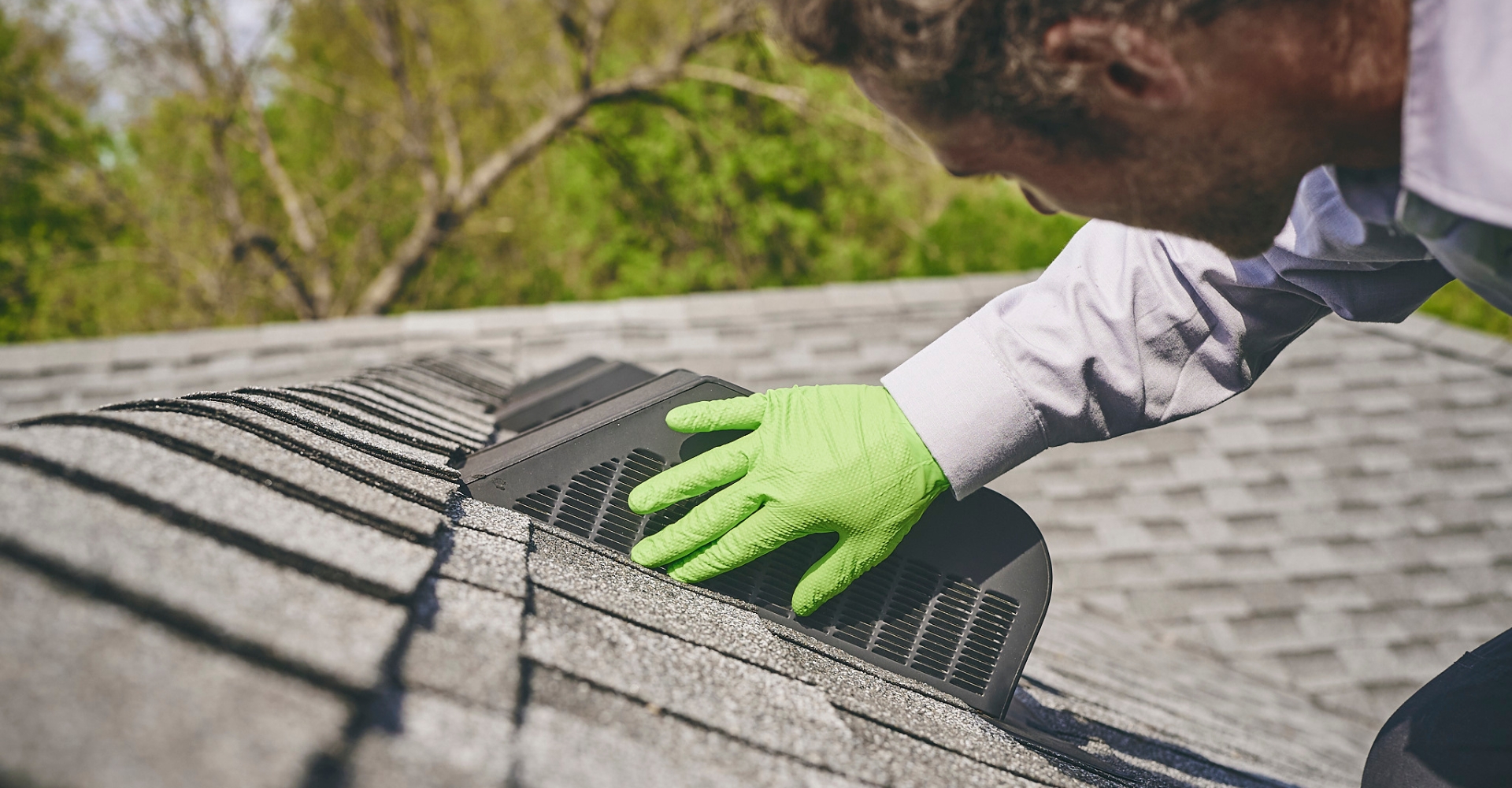
While attic vents should never be completely blocked, they should be protected with vent covers or screens to keep out pests, weather elements, and debris.
In this article, we’ll explore why attic vent protection is vital, the consequences of neglecting it, and how to safeguard your home the right way.
What is Serial Entrepreneurship?
A serial entrepreneur is an individual who starts multiple ventures. They may revert or withdraw from one business before embarking on another or simultaneously manage several ventures, entrusting leadership responsibilities to others. Beyond establishing their ventures, they frequently invest in or engage with other startups that interest them. Such entrepreneurs typically excel at spotting fresh business prospects and crafting a company’s vision. They are particularly enthusiastic about the venture’s initial phases, including tasks like conceptualizing products, assembling teams, and securing investments. They often possess ambitious problem-solving skills, a high tolerance for risk, a never-ending stream of innovative ideas, and a deep market comprehension.Kickstarting Content Writing
Gina started her journey to serial entrepreneurship when she used a Facebook group called 30 Days of Hustle to get started. She wasn’t even a professional writer at that point. But that didn’t hold her back from venturing into content writing. She was able to find clients by connecting with the right people and doing subcontract work for them. She also did get samples by writing herself on topics that she found exciting and posting them on a website. After the experimentation, Gina was able to launch her website, horkeyhandbook.com Content marketing was new at the time. Gina and her mentor saw that opportunity, and in November 2014, she started creating one lesson a day, teaching people how to be successful in freelance writing. She started selling it in December of that same year for $25 per seat. After hiring a marketing strategist, Gina ventured into teaching affiliate marketing to her customer base.Venturing as a Virtual Assistant
In September 2014, Gina took her first virtual assistant client. She said, “Virtual assistance is just this umbrella that says, hey, I can perform whatever online services you need, whether it’s bookkeeping, project management, podcast production, but customer service was my jam.” However, that journey didn’t entirely take off for her in an instant. It took her a couple of follow-ups to reach her first client. She said that she was blunt and concise about it. That first deal was at $50,000 at the end of 2014. Gina also explained how she established a website called fullybookedva.com for people who want to grow into virtual assistant services. She said her awareness of the market’s needs made her take the initiative to establish a platform for aspiring virtual assistants.Journey to Sobriety
“ I’m gonna be sober five years here on May 5th.” Gina opens up about her struggle with addiction and how she used alcohol to block out fear and imposter syndrome. “Instead of like acknowledging and maybe processing through negative emotion, which is a lot of the work that I talk about here as a life coach now, I just blocked it and just didn’t allow it and kept moving forward anyways, which worked for a while, but then caused other problems long term.” Being a serial entrepreneur comes with great responsibility and pressure, and it is normal to experience roadblocks along the way, just like Gina did. She overcame it, and now she’s arrived to venturing out as a life coach.Venturing Out as a Life Coach
“There’s fear involved every day when it comes to business, as far as I’m concerned. So we all have to like taking action and moving forward.” After going through different business ventures, Gina holds that she can always take anything head-on if there is determination. “It makes you focus when you have more to juggle. I mean, yeah, you might drop something, but if I get nine things done when I’m juggling 10, and you’re juggling two, and you get both of those done, well, cool, I got nine. But that one thing could be important.” On the other hand, she emphasizes the difference between saying yes and people-pleasing.Embracing Your Authentic Self
“If you’re saying yes to somebody, because you want them to like you, but you don’t want to do the thing, let’s say they invite you to an activity, and you’re saying yes to please them as a person, people pleasing, then you’re lying to them because you don’t want to do it. And so you’re not being authentic.” Authenticity can save you from a lot of trouble, and that’s what Gina saves her clients from. She shared how one of her clients got out of a sticky dating situation and turned it into something positive. She said that during a coaching session, she made her client text someone she saw, telling him to be just friends. They’re friends and workout buddies, taking a big part of her life. Moving on, Gina highlights how discipline can be integral to reaching the best version of yourself. As someone who dabbles in wellness and life coaching, Gina goes back into budgeting and interconnects it to dieting. She explains how dieting is a holistic process, and the best diet is the one you don’t stop. Many people struggle to commit to change. As a life coach, Gina emphasizes the importance of self-awareness and the willingness to take action and take a chance. “Awareness is key. If we don’t know what we’re doing in the first place, there’s no way we can unpack it, see what it’s about, and change it.” She added, “A lot more love, acceptance, and then the future version of yourself is my favorite.”The Power of Why
There are so many things we can do in life. We can learn many skills and experiences to collect along the way. In our journeys, we experience making mistakes; sometimes, forgetting them like it’s a cautionary tale can be challenging. We can be stuckWhat is the Purpose of Attic Vents?
Before diving into vent coverings, let us first understand why attic vents exist in the first place. Attic vents are designed to:- Circulate air: Proper ventilation helps maintain a balanced temperature in the attic, keeping the temperature regulated and the same as the outside environment.
- Reduce moisture: In winter, warm air from inside your home rises and can create condensation in the attic. Ventilation helps prevent mold, mildew, and wood rot.
- Lower energy costs: In the summer, a ventilated attic helps keep your home cooler, reducing the need for air conditioning.
- Extend roof life: Proper airflow reduces the risk of ice dams in winter and overheating in summer, both of which can damage shingles and roof decking.
- Soffit vents (under the eaves)
- Gable vents (on the exterior wall peaks)
- Ridge vents (along the roof ridge)
- Roof vents or box vents
Why Attic Vents Should Not Be Blocked or Covered
The word “cover” can be misleading. It’s critical to understand that attic vents should be covered with screens or barriers, not sealed off. Completely blocking an attic vent defeats its purpose and can lead to heat buildup, moisture problems, and even structural damage. However, screening attic vents is highly important and here’s why:1. Preventing Wildlife Intrusion
One of the most common issues we see when dealing with clients at Abra Kadabra Pest & Wildlife involves animals entering homes through attic vents. These openings are often just large enough for:- Mice
- Squirrels
- Rats
- Birds
- Bats
- Wasps and bees
2. Blocking Insects and Pests
Tiny openings are all it takes for insects to invade. Bees, wasps, ants, and stink bugs often enter through attic vents, especially during seasonal shifts when they’re looking for shelter. Insects can:- Build nests that block airflow
- Damage wood and insulation
- Become aggressive (especially wasps or hornets)
- Move deeper into the home over time
3. Preventing Debris Buildup
Leaves, twigs, and other outdoor debris can clog attic vents, especially soffit and gable vents that sit lower on the home. Blocked vents restrict airflow and create the perfect environment for:- Mold growth
- Condensation
- Poor attic temperature regulation
4. Protection Against Weather Damage
Unprotected attic vents can also allow rain, snow, or wind-blown moisture into the attic. Over time, this can:- Rot wood framing
- Rust nails and metal fasteners
- Soak insulation
- Contribute to mold and mildew growth
5. Discourages Animals From Nesting
Birds, squirrels, and bats often target attic vents for nesting. Not only is this unsanitary, but removing nests from vents can be tricky and costly, especially if protected species are involved (e.g., bats or chimney swifts). Vent screens:- Discourage nesting
- Protect the attic and ductwork
- Ensure continuous airflow
What Type of Covers or Screens Work Best?
Not all vent covers are created equal. The best option depends on the vent type and local conditions. Here are some general guidelines:-
Material
- Stainless steel: Rust-resistant and durable
- Galvanized hardware cloth: Common for gable vents and soffits
- Aluminum mesh: Lightweight but can be chewed through by determined animals (not ideal for squirrel-prone areas)
1. Mesh size
- 1/4-inch or 1/8-inch mesh: Small enough to block rodents and insects while maintaining airflow
2. Custom fit
- Custom-cut screens or prefabricated vent covers should fit snugly without impeding ventilation. Gaps or poorly attached screens can still allow pests in.
3. Professional installation
- Proper attachment using screws and weather-resistant caulking ensures screens stay put, even during storms or high winds.
Should You DIY or Call a Pro?
Handy homeowners can install vent covers themselves, especially if vents are easily accessible. However, for hard-to-reach areas, such as roof vents or ridge vents, it’s best to call in professionals. At Abra Kadabra Pest & Wildlife, we not only install wildlife-proof vent screens, but we also:- Inspect for existing infestations
- Sanitize and clean the attic
- Seal any other entry points
- Offer attic restoration services if damage has occurred
The Risks of Doing Nothing
If your attic vents are open or poorly covered, you’re risking more than just a minor annoyance. Over time, the consequences can include:- Fire hazards from chewed wires
- Health risks from mold, droppings, and urine
- Structural damage to insulation, wood, and ductwork
- Recurring pest infestations
- Higher energy bills
In Conclusion
Your attic is the gateway between your home and the outside world, and attic vents are one of its most vulnerable entry points. Covering them with well-fitted, durable screens is one of the smartest home protection strategies you can adopt. While it may seem like a small task, vent screening plays a huge role in:- Keeping your home pest-free
- Reducing long-term maintenance
- Improving energy efficiency
- Protecting your investment
Wrapping It Up
Wrapping up, here are some extra notes Gina gave us during her podcast session:- Know yourself based on the goals you have for yourself in the future
- Taking action in the present, fully aware of how it’s going to impact your future
- Rather than accomplishment, take every experience as merit to developing your personal self