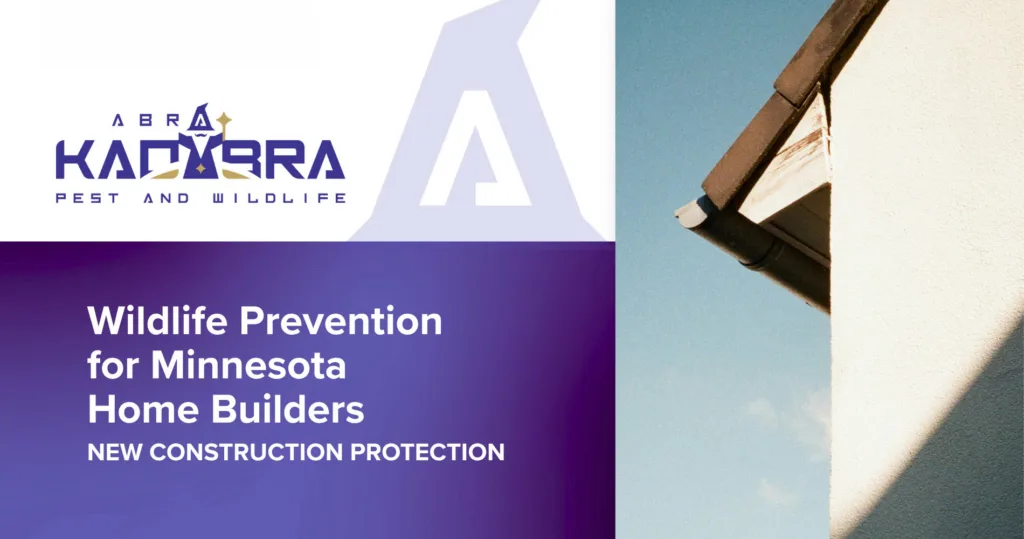
Wildlife Prevention for Minnesota Home Builders
A newly built home should feel clean, secure, and ready for the future.
For homeowners, it represents a fresh start. For builders, it represents craftsmanship, reputation, and trust.
But even a beautiful new home has hidden vulnerabilities that wildlife may find. Small gaps around rooflines, vents, utility lines, soffits, decks, and foundation transitions can become entry points for mice, bats, squirrels, raccoons, birds, and other unwanted guests.
That is why wildlife prevention should be part of the conversation before homeowners ever move in.
At Abra Kadabra Environmental Services, we help Minnesota homeowners and builders think beyond wildlife removal. Our goal is to help prevent wildlife problems before they start through professional inspections, home exclusion, and long-term prevention solutions.
New Homes Are Not Automatically Wildlife-Proof
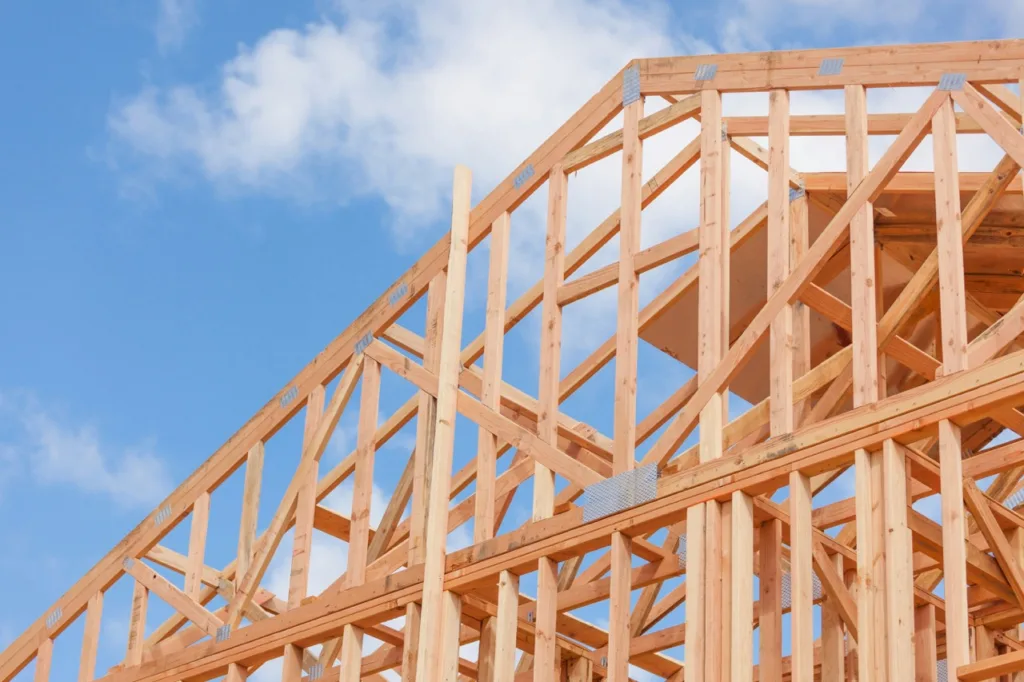
Many homeowners assume a new home is sealed tight. That makes sense. New construction looks polished, sturdy, and complete. But homes are built to meet many different needs, including drainage, ventilation, energy efficiency, structural movement, and weather protection.
Wildlife prevention is often not the main focus during construction.
That can leave small openings that are easy to overlook. To a homeowner, these gaps may be invisible. To wildlife, they can look like an open door.
The Home Exclusion Library from Abra Kadabra explains that many wildlife problems begin with hidden vulnerabilities, including roofline weak points, exposed vents, structural openings, and small construction gaps.
Why Builders Should Think About Wildlife Early
For builders, wildlife prevention is an opportunity to add value.
When a homeowner moves into a new house, they are not expecting to deal with scratching in the attic, mice in the garage, bats near the roofline, or squirrels chewing around soffits.
If wildlife gets inside shortly after move-in, it can create frustration even when the builder did nothing wrong. A proactive wildlife prevention partnership helps builders:
- Protect the homeowner experience.
- Reduce future complaints.
- Add value to the finished home.
- Support long-term home performance.
- Stand out in a competitive market.
- Build trust beyond closing day.
Wildlife prevention is not about creating fear. It is about giving homeowners confidence that their new home has been looked at through a prevention-focused lens.
Common Wildlife Entry Points in New Construction
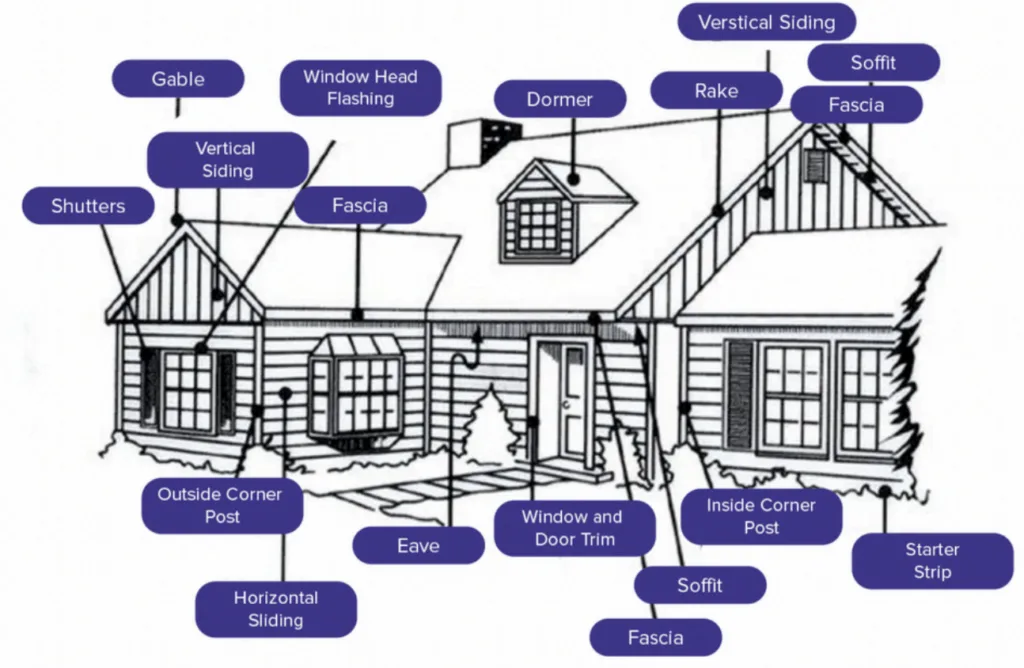
Every home is different, but certain areas deserve extra attention during or after construction.
Rooflines and Soffits
Rooflines are one of the most common areas wildlife explores.
Squirrels, bats, birds, mice, raccoons, and stinging insects can use small vulnerabilities around attic vents, fascia transitions, soffit junctions, gable corners, and drip edge gaps. Abra Kadabra’s Home Exclusion Library identifies roofline areas as some of the most commonly exploited entry points on residential homes.
Builder’s Gaps
Builder’s gaps are small openings where roofing systems, siding, fascia boards, soffits, and gutters meet.
They may not seem like a major concern during construction, but over time they can become an easy access point for wildlife.
Professional exclusion looks at these areas as part of the full structure, not just as individual holes that need to be patched.
Vents and Exhaust Systems
Standard vent covers are often designed for airflow, not wildlife resistance.
Dryer vents, bathroom exhaust vents, furnace exhaust systems, attic vents, and wall vents can become vulnerable over time because of weather, heat, UV exposure, and aging materials. Professional vent protection helps maintain airflow while reducing the chance of wildlife intrusion.
Chimneys
Uncapped or poorly protected chimney systems can invite wildlife to nest or shelter.
Chimney caps, crown sealing systems, spark arrestors, and custom-fitted exclusion systems can help protect the home while still supporting proper function and ventilation.
Utility Penetrations
Air conditioning lines, cable lines, pipes, and other utility penetrations often create small gaps where pests and wildlife can enter.
These areas are easy to miss, especially when the home is nearly finished and everyone is focused on final details.
Decks, Additions, and Ground-Level Openings
Wildlife does not only enter from above.
Deck systems, sheds, lattice, crawlspace vents, foundation cracks, and siding-to-foundation transitions can create protected spaces for wildlife activity.
Ground-level exclusion and anti-dig barrier systems can help reinforce vulnerable areas and reduce recurring intrusion issues.
Wildlife Prevention Helps Protect the Builder’s Reputation
Homeowners may not understand the difference between construction quality and wildlife pressure. They simply know they moved into a new home and now something is wrong.
That is why prevention matters.
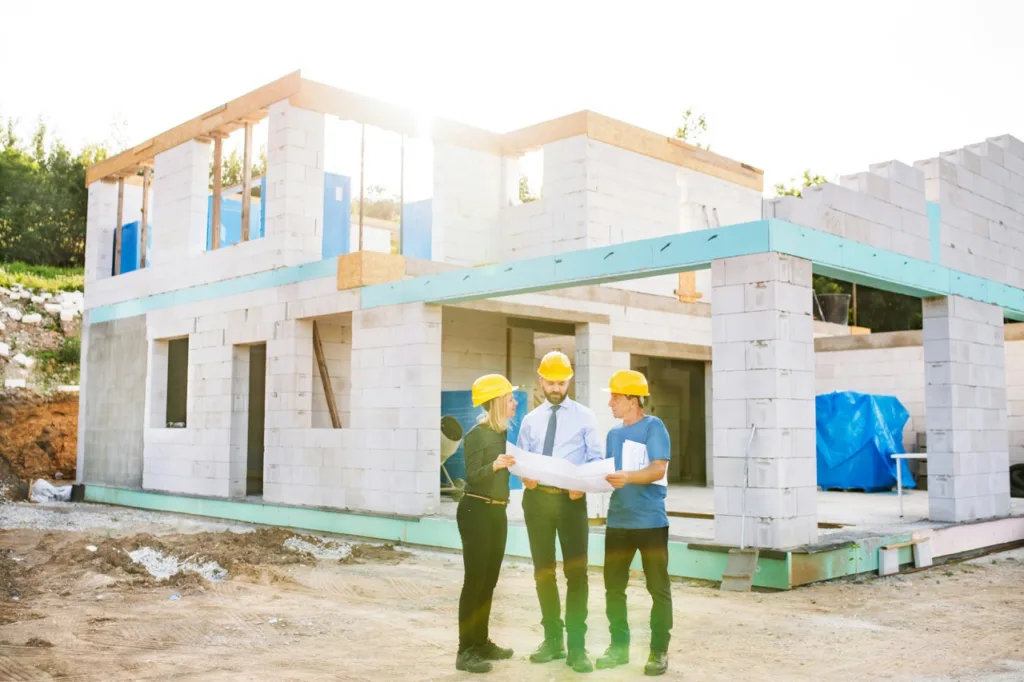
When builders include wildlife prevention in the process, they show homeowners they are thinking beyond the closing date. It positions the builder as proactive, thoughtful, and invested in the long-term comfort of the homeowner.
It also creates a strong referral opportunity.
A homeowner who feels protected and supported is more likely to recommend the builder to friends, neighbors, and family.
A Better Experience for New Homeowners
The first year in a new home should be about settling in, decorating, landscaping, and enjoying the space. Not dealing with unexpected wildlife issues.
By introducing homeowners to professional wildlife prevention early, builders can help them understand:
- Why wildlife prevention matters.
- What areas of the home are most vulnerable.
- How seasonal changes affect pest and wildlife activity.
- When to schedule inspections.
- How home exclusion can help prevent future problems.
This turns pest and wildlife prevention into part of responsible homeownership, much like gutter maintenance, furnace service, or lawn care.

Wildlife Prevention Can Become a Builder Add-On
The best builder partnerships are simple, useful, and easy to explain. Wildlife prevention can be positioned as a valuable add-on for new homeowners. For example, a builder may introduce a homeowner to Abra Kadabra Environmental Services for:
- A home protection inspection.
- New construction wildlife prevention.
- Animal proofing recommendations.
- Vent and roofline evaluation.
- Seasonal pest prevention.
- Mosquito and tick control.
- Ongoing residential pest protection.
This gives homeowners a trusted local resource from the beginning.
It also helps create a long-term relationship between the homeowner and a pest management company that already understands the home.
Built-In Prevention Supports Long-Term Home Performance
Wildlife can damage more than comfort.
Once inside, animals may damage insulation, chew materials, contaminate spaces, or create openings that allow future pest activity.
Prevention helps protect the home as a system.
That is why professional home exclusion considers ventilation, waterproofing, appearance, durability, and the specific conditions of the structure. Abra Kadabra’s exclusion work is built around custom-fit solutions designed for the home’s materials, vulnerabilities, and long-term protection needs.
Why Partner With a Local Wildlife Prevention Team
Minnesota homes face unique seasonal pressure.
Cold winters can drive rodents indoors. Spring and summer can increase wildlife nesting activity. Freeze and thaw cycles can widen small openings over time. New developments near wooded areas, wetlands, fields, or lakes may experience added wildlife activity as animals adapt to changing spaces.
A local wildlife prevention team understands these patterns.
Abra Kadabra Environmental Services works with residential and commercial properties throughout the Twin Cities and surrounding areas. Our team provides pest and wildlife solutions designed around inspection, prevention, and long-term property protection.
As a 2026 Minnesota’s Best Bronze Winner, Abra Kadabra is proud to help homeowners, builders, and property partners protect homes with professional care and prevention-focused service.
Make Wildlife Prevention Part of the Build
Wildlife prevention is easier to plan before there is a problem.
For Minnesota builders, that creates an opportunity to offer homeowners more than a finished house. It gives them a stronger start.
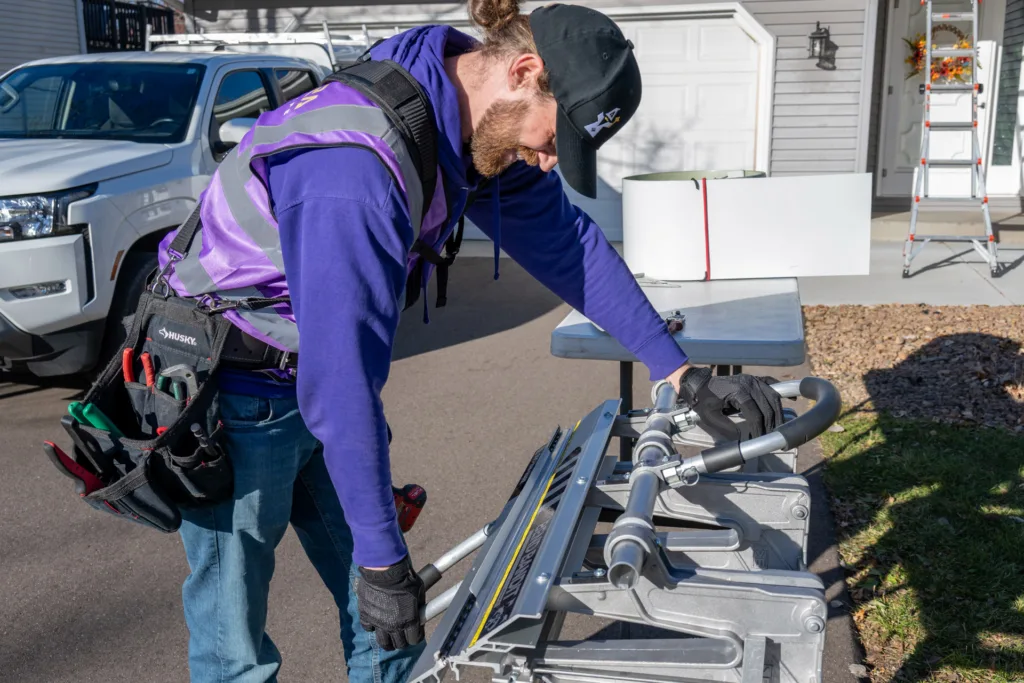
By partnering with Abra Kadabra Environmental Services, builders can help homeowners protect their investment from day one with professional wildlife prevention, home exclusion guidance, and long-term pest management support.
Planning a new development, building custom homes, or looking for a helpful add-on for new homeowners?
Contact Abra Kadabra Environmental Services today to learn how wildlife prevention can become part of your building process.