
Tick Control in Minnesota: Protect Your Yard, Family, and Pets
Ticks are not just a problem on hiking trails.
Many Minnesota homeowners find ticks in their own yards, especially near wooded areas, tall grass, brush, leaf piles, and places where wildlife travels. For families with children or pets, that can make outdoor time feel stressful.
While it is impossible to remove every tick from the outdoors, there are practical steps homeowners can take to reduce tick habitat and lower the risk of tick encounters around the property.
Why Ticks Are a Concern in Minnesota
Ticks thrive in areas that provide moisture, shade, vegetation, and access to hosts.
That means they are commonly found around:
- Tall grass
- Wooded edges
- Brushy areas
- Leaf litter
- Overgrown landscaping
- Trails and fence lines
- Areas where deer, mice, squirrels, and other wildlife travel
Ticks wait in vegetation and attach to people or animals as they pass by. This is why pets, children, and anyone spending time near grass or wooded edges may be more likely to pick them up.
Where Ticks Hide Around Residential Properties
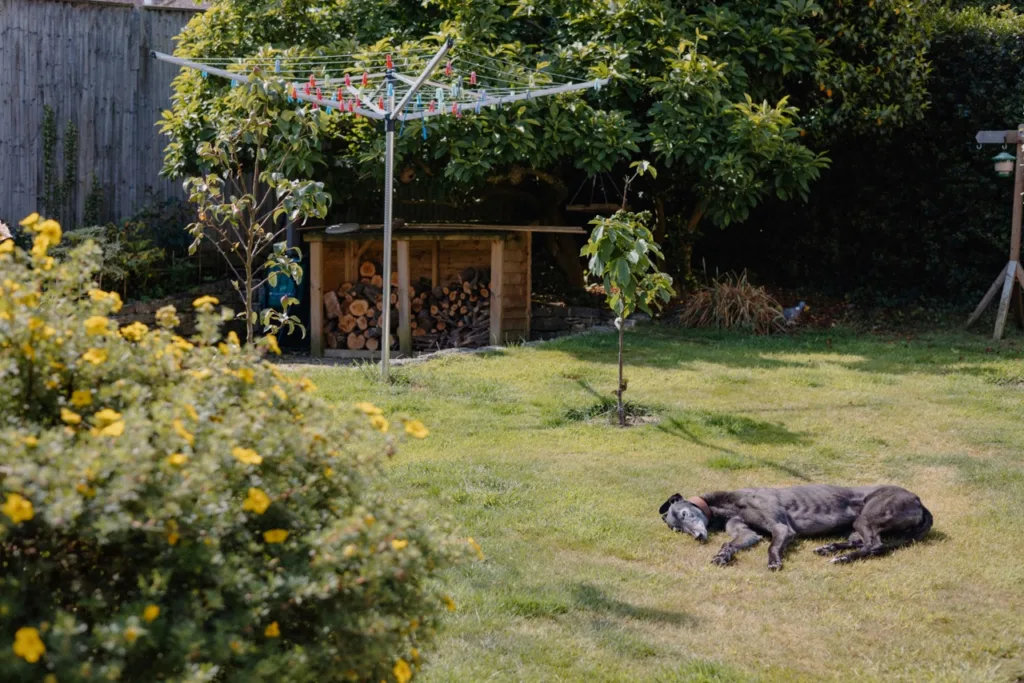
Ticks prefer protected, humid areas. In a typical yard, that often means the edges rather than the open lawn.
Common tick-prone areas include:
- Tall grass along property lines
- Brush near wooded areas
- Leaf piles
- Overgrown shrubs
- Groundcover plants
- Wood piles
- Stone walls
- Fence lines
- Shaded pet areas
- Trails or paths near vegetation
A sunny, well-maintained lawn is usually less attractive to ticks than shaded, overgrown, or brushy areas.
Pets Can Bring Ticks Closer to Home
Dogs and outdoor cats spend more time close to the ground, which makes them more likely to encounter ticks.
Pets may pick up ticks along fence lines, wooded edges, trails, or tall grass and carry them closer to patios, decks, bedding, or indoor spaces.
Homeowners should check pets regularly, especially around:
- Ears
- Neck and collar area
- Paws
- Belly
- Tail
- Under legs
It is also a good idea to talk with a veterinarian about tick prevention options for pets.

Wildlife Can Increase Tick Activity
Ticks often move through the environment with the help of wildlife.
Deer, mice, squirrels, raccoons, and other animals can carry ticks onto residential properties. If your yard has frequent wildlife activity, nesting areas, brush piles, or easy shelter, tick pressure may be higher.
This is one reason tick control and wildlife prevention often work well together. Reducing wildlife attractants and sealing vulnerable areas around the home can help support a broader prevention plan.
How to Make Your Yard Less Attractive to Ticks
A well-maintained yard can help reduce tick habitat.
Homeowners can start with these steps:
- Keep grass cut short.
- Remove leaf piles and yard debris.
- Trim shrubs and overgrown vegetation.
- Clear brush along property edges.
- Keep wood piles neat and away from high-use areas.
- Create a mulch or rock border between wooded areas and lawn.
- Place playsets and seating areas away from tall grass or brush.
- Discourage wildlife from nesting near the home.
These changes make the yard less inviting for ticks and easier to monitor throughout the season.
Tick Prevention Tips for Families
Good habits matter, especially during peak tick season.
After spending time outdoors, check clothing, skin, children, and pets. Pay close attention after walking through tall grass, wooded edges, trails, or brushy areas.
It also helps to:
- Wear light-colored clothing when working outdoors.
- Keep to maintained paths when possible.
- Shower after time in tick-prone areas.
- Check outdoor gear before bringing it inside.
- Keep pets on maintained paths instead of brushy edges.
Prevention is most effective when it becomes part of the routine.

How Professional Tick Control Helps
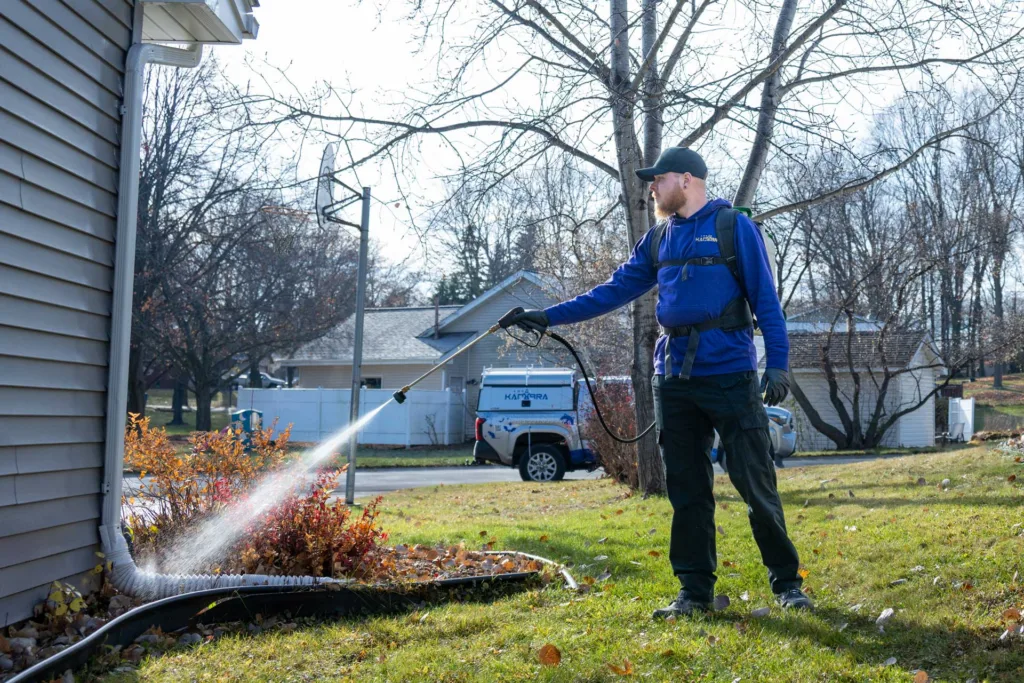
Professional tick control targets areas where ticks are most likely to live and travel.
At Abra Kadabra Environmental Services, treatment plans are based on the property layout, landscaping, surrounding habitat, and areas where your family and pets spend the most time.
Professional tick control is especially useful for homes with:
- Wooded lots
- Tall grass nearby
- Heavy landscaping
- Trails or natural areas
- Pets
- Children playing outdoors
- Frequent wildlife activity
A professional plan can help reduce tick pressure around the areas you use most.
Protect Your Yard This Season
Ticks can be easy to overlook until someone finds one on themselves, a child, or a pet.
Taking action early can help reduce tick habitat and support a safer, more enjoyable outdoor space. With smart yard maintenance, pet checks, wildlife awareness, and professional tick control, Minnesota homeowners can take a proactive approach to seasonal pest prevention.
Contact Abra Kadabra Environmental Services today to schedule tick control or a property inspection for your Minnesota home.