Bats play an important role in Minnesota’s ecosystem. They help control mosquito and insect populations, making them beneficial neighbors when they’re outdoors.
The problem starts when they move into your home.
Whether you’ve noticed bats flying from your roof at dusk or you’re hearing noises in the attic at night, it’s important to address the issue quickly. Bat colonies can grow over time, and simply blocking the hole they used to get inside usually creates bigger problems.
The safest and most effective solution is professional bat exclusion, which allows bats to leave while preventing them from returning.
How Do Bats Get Into Homes?
Bats don’t need a large opening to enter your home. In fact, some species can fit through gaps as small as 3/8 of an inch.
Over time, normal wear and tear, as well as seasonal freeze/thaw cycles, can create entry points around your roofline that are easy to miss from the ground. Common access points include:
- Ridge vents
- Roof edges
- Gable vents
- Soffits and fascia
- Chimneys
- Gaps around flashing or utility penetrations
Once inside, bats often settle in attics, wall voids, or other quiet spaces where they can roost undisturbed.
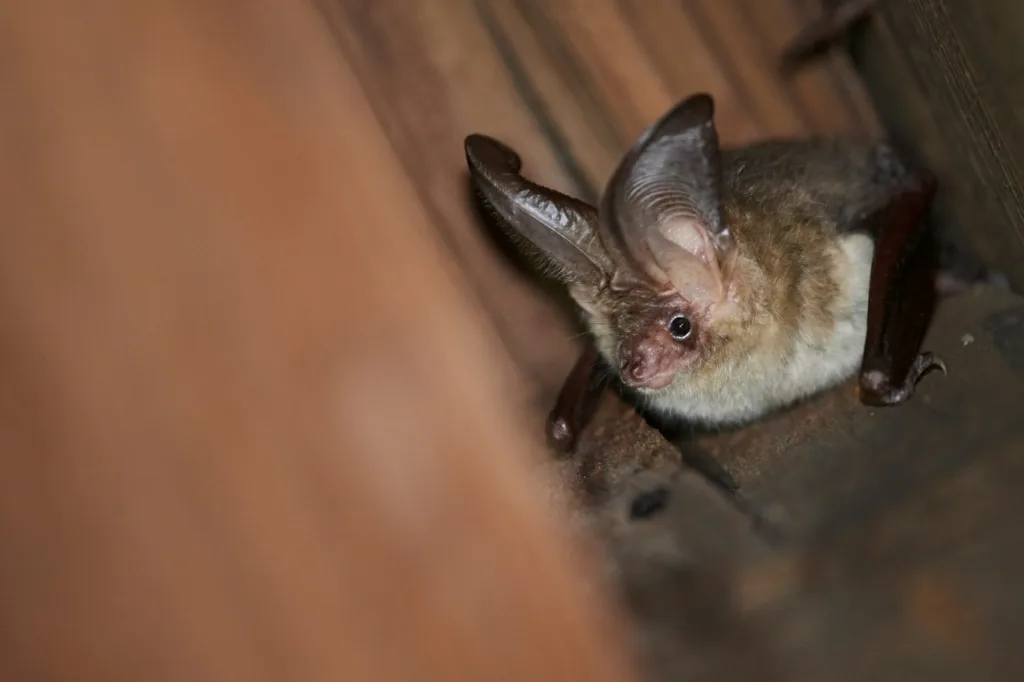
Signs You May Have Bats in Your Attic
Unlike squirrels or raccoons, bats are most active around sunset, so homeowners don’t always notice them right away.
Some of the most common signs include:
- Seeing bats flying from your roofline at dusk
- Chirping or scratching noises in the attic during the evening (that doesn’t pause if you knock on the ceiling/wall)
- Small dark droppings (guano) beneath entry points
- Dark staining around roof openings from repeated bat activity
- A strong odor if a colony has been present for an extended period
If you notice any of these signs, it’s a good idea to schedule an inspection before the colony has a chance to grow.
Are Bats Dangerous?
Most bats are not aggressive and prefer to avoid people. They’re an important part of the environment and spend their nights feeding on insects.
However, bats don’t belong inside your home.
Like any wild animal, bats can carry diseases, including rabies, although only a small percentage of bats are infected. Because it’s impossible to determine whether a bat is carrying rabies by looking at it, you should never attempt to handle one yourself.
Bat droppings, known as guano, can also accumulate over time in attics and wall voids. Besides creating unpleasant odors, guano poses health concerns, such as zoonotic diseases. Use of proper protective equipment and disinfection is vital.
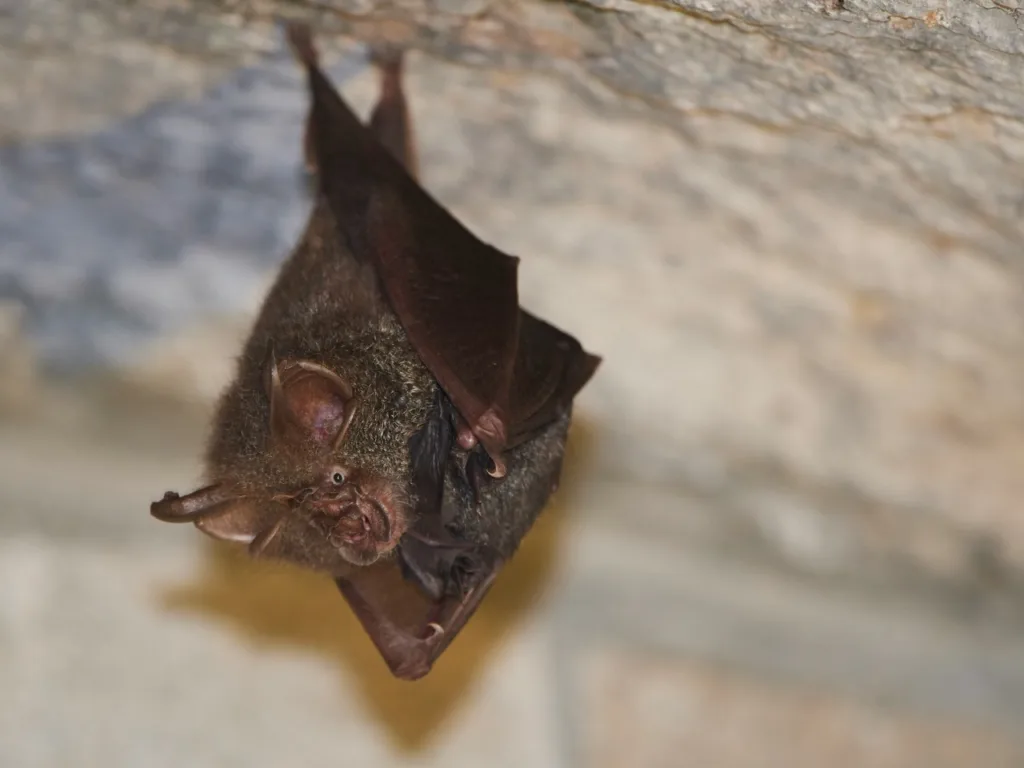
Why You Shouldn’t Seal the Entry Point Yourself
One of the biggest mistakes homeowners make is sealing the hole as soon as they discover where bats (or anything else) are getting inside.
While it seems like the logical solution, it can actually trap bats inside your home. If young bats are present and unable to fly, sealing the entry point can separate them from their mothers, leading the juveniles to die, and problems inside the attic.
Professional bat removal focuses on exclusion, not trapping.
Instead of sealing bats inside, exclusion allows them to leave safely while preventing them from getting back in.
How Professional Bat Exclusion Works
Bat exclusion is designed to solve the problem without harming the animals.
The process typically begins with a thorough inspection to identify every active entry point around your home. Once those areas have been located, one-way exclusion devices are installed that allow bats to leave naturally but prevent them from returning.
After it’s confirmed the colony has left, entry points are permanently sealed using durable materials designed to withstand Minnesota’s weather.
If bat droppings have accumulated in the attic, cleanup recommendations may also be provided to help restore the affected area.
Why Timing Matters
Bat removal isn’t something that can be performed the same way year-round.
During parts of the summer, young bats may not yet be able to fly. Excluding the adults during this time could leave young bats trapped inside the structure. It is illegal to evict bats during this window. Bats will also reduce activity and go into torpor (hibernation) when temperatures drop for winter.
That’s why professional wildlife specialists consider both the bat species and the time of year before beginning exclusion work. Proper timing helps protect wildlife while ensuring the problem is resolved effectively.
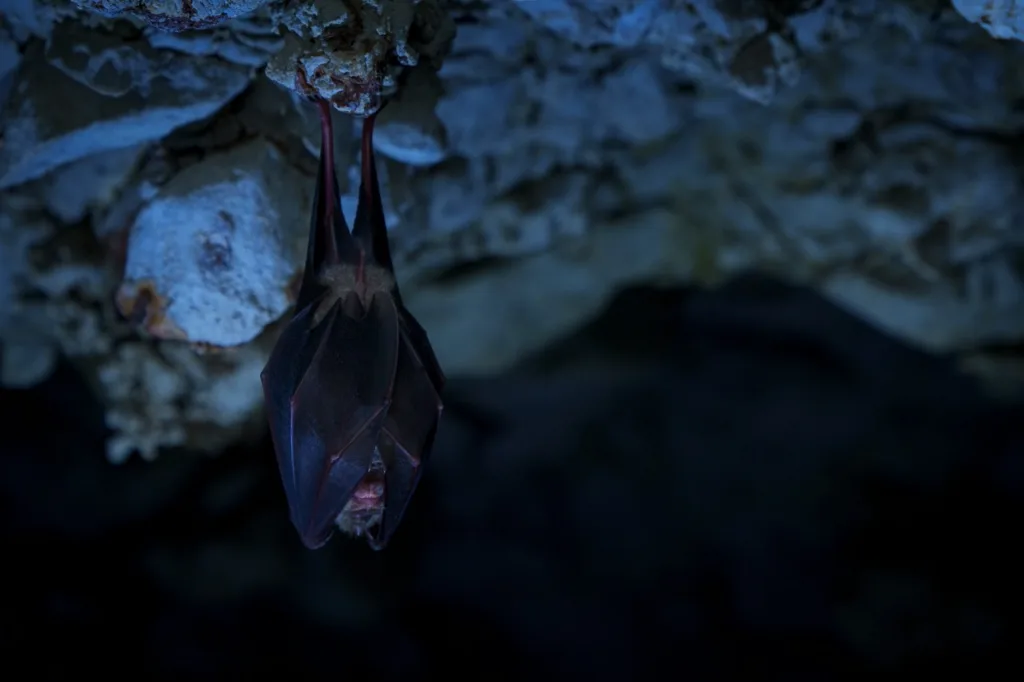
Frequently Asked Questions
Will bats leave my attic on their own?
Not necessarily. While bats leave the attic each night to feed, they’ll often return to the same roost unless entry points are professionally sealed.
Are bats protected in Minnesota?
Yes. Because bats are important to the environment, removal methods and timing should follow wildlife regulations and best practices.
Can I remove bats myself?
Bat removal can be challenging and, in many situations, is best left to professionals. Improper removal or sealing entry points too early can make the problem worse.
How do bats get into houses?
Bats commonly enter through small gaps around rooflines, vents, soffits, chimneys, and other openings that develop as homes age.
Did it get into my living space through a door or window?
Bats can do so, but that is seldom the case. If there’s a bat in the home, odds are north of 95% that a colony exists there. The one that wandered into the living space is usually the thing that made their presence known.
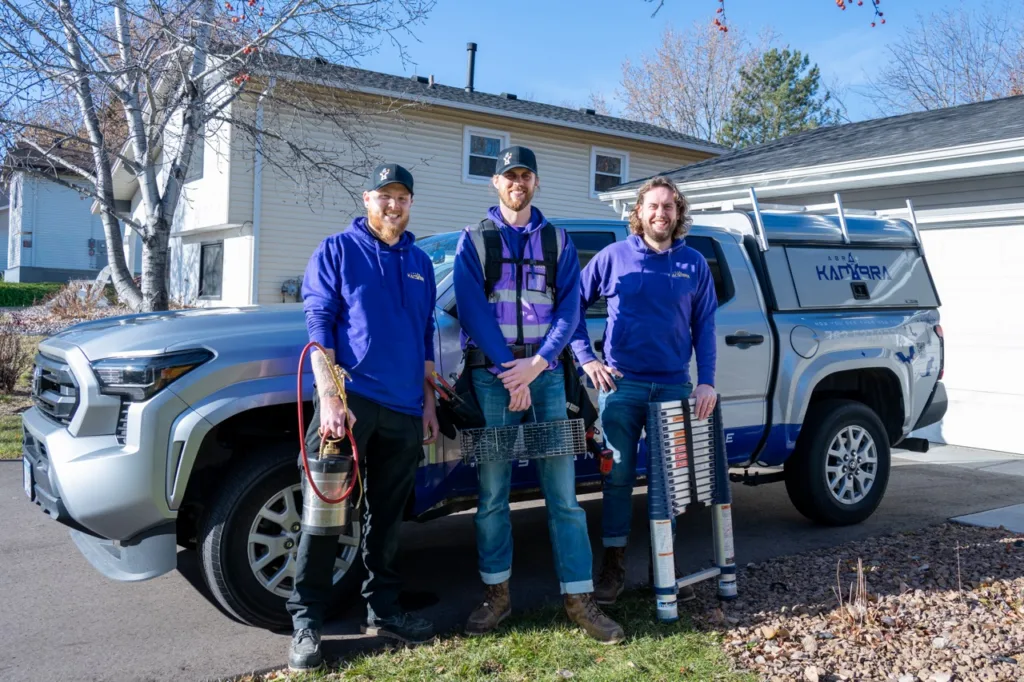
Protect Your Home with Professional Bat Exclusion
Finding bats in your attic doesn’t mean your home is unsafe, but it does mean it’s time to act. The longer a colony remains, the greater the chance of guano buildup, odors, and repeated wildlife activity.
At Abra Kadabra Environmental Services, we provide professional bat inspections and exclusion services throughout Minnesota. Our team identifies how bats are entering your home, develops a safe exclusion plan, and helps prevent future infestations by sealing vulnerable entry points.
If you’ve seen bats flying around your roofline or suspect they’re living in your attic, contact Abra Kadabra Environmental Services today to schedule a professional inspection.