
Why Fall Is the Time to Get Ahead of Vole Damage in Minnesota
Your lawn may look healthy right now, but as fall gives way to winter, vole activity can turn into damage that’s hidden until the snow melts.
Voles are small rodents that live outdoors year-round in Minnesota. They tend to stay out of sight, but their populations grow quickly. As young voles flood into the population this fall, today’s small problem can quickly grow into a much bigger concern as winter closes in.
And once the snow falls, much of that activity becomes hidden.
That’s why fall is one of the most important times to get ahead of voles.
What Are Voles?
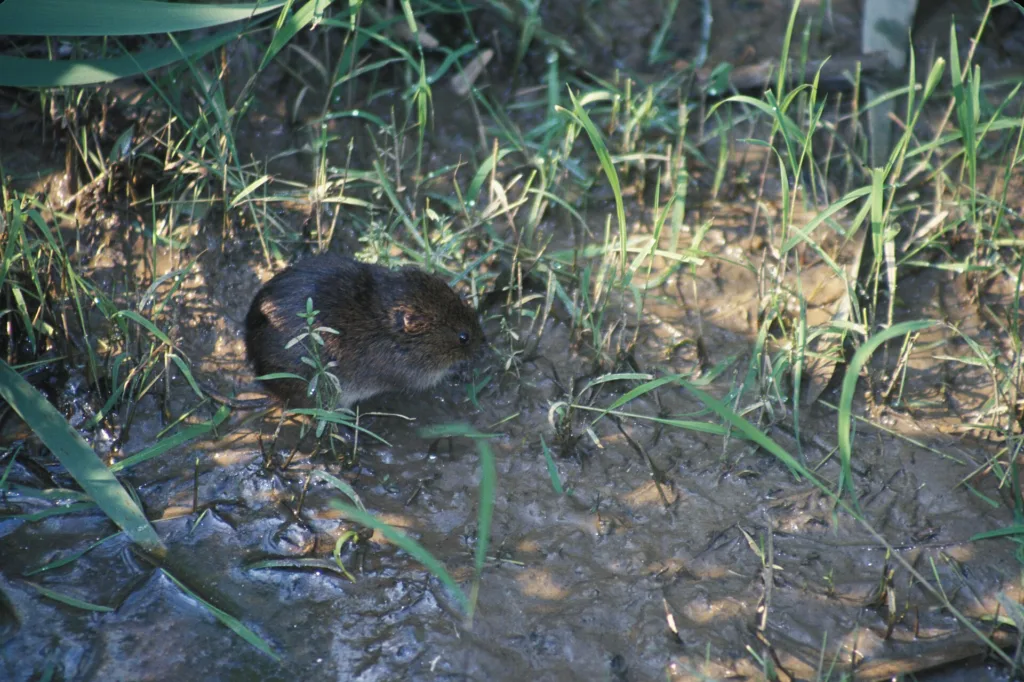
Voles are small, stocky rodents that are sometimes confused with mice or moles. Unlike moles, which spend much of their time underground, voles generally travel along the surface of the ground through grass, vegetation and other areas that provide cover.
During warmer months, they often stay close to tall grasses, dense landscaping, retaining walls, wooded edges and other protected areas.
That can make them surprisingly easy to overlook.
Some signs of vole activity include:
- Narrow runways or trails through grass
- Small openings near ground level
- Chewed grass and vegetation
- Damage to gardens and landscaping
- Gnawing around the base of shrubs or young trees
If you’ve had vole damage in previous years, fall is especially important because vole problems often recur on properties that provide favorable habitat.

Why Can Vole Populations Grow So Quickly?
Voles are prolific breeders.
Their relatively short reproductive cycle means multiple generations can be produced in a relatively short amount of time when conditions are favorable.
The theoretical math gets pretty wild.
If you remove factors like predators, weather, disease and natural mortality from the equation, a single pregnant female can theoretically produce a family tree numbering in the tens of thousands within a year.
Of course, that isn’t what happens in a real Minnesota yard. Predators, mortality, weather, food availability and other environmental pressures keep vole populations from growing unchecked.
But the thought experiment demonstrates something important:
A vole population has the potential to grow very quickly.
That’s one reason waiting until you see extensive damage isn’t always the best approach.
Why Fall Matters for Vole Control
During summer and early fall, voles can find plenty of cover around landscaping, taller vegetation, wooded areas and other protected spaces.
Then Minnesota winter changes their environment.
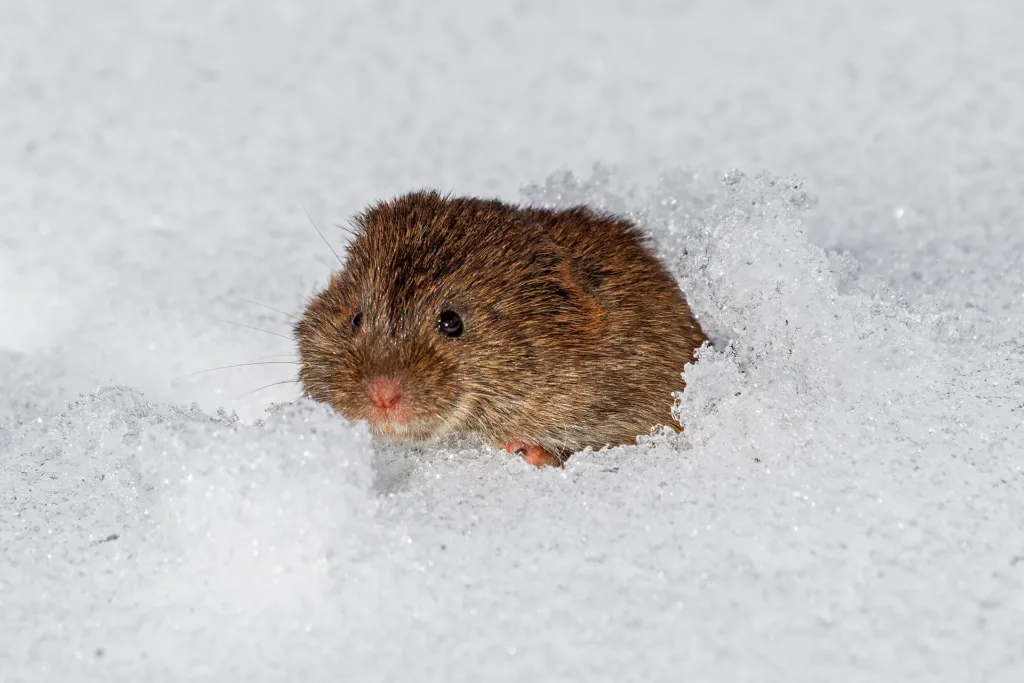
Snow creates a layer of overhead cover across the lawn. Underneath that snow, voles can travel along the ground while remaining protected and largely hidden from view.
They continue looking for food, which may include grass, plant material, roots and bark.
The homeowner standing above that blanket of snow may have no idea what’s happening underneath.
What Happens Under the Snow Shows Up in Spring
For many Minnesota homeowners, the first obvious sign of a vole problem arrives during the spring melt.
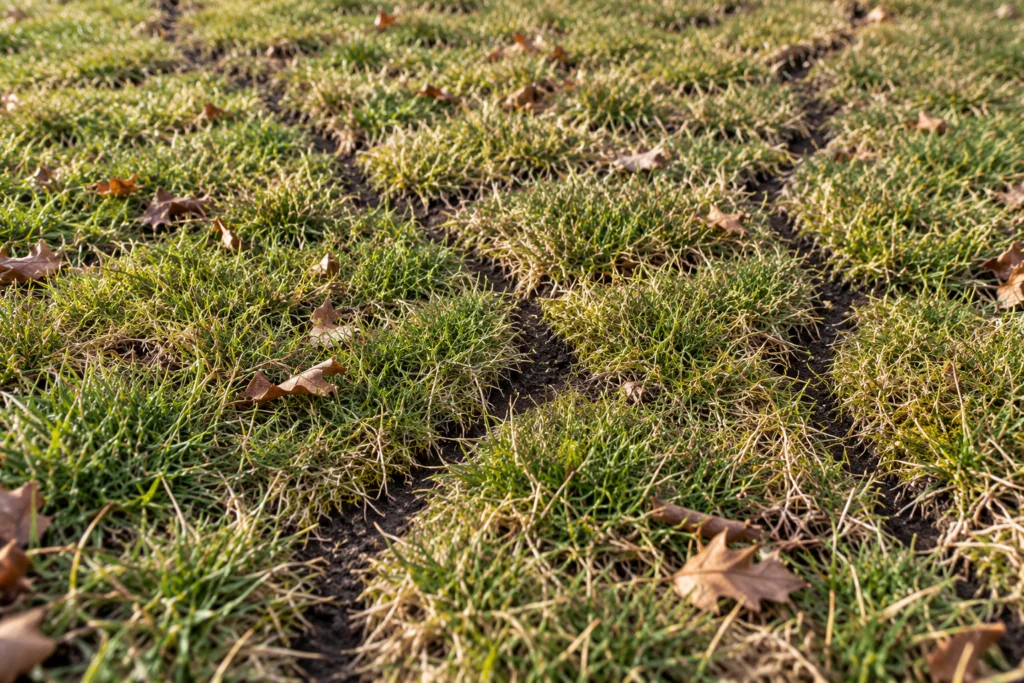
As the snow disappears, networks of dead grass trails can suddenly become visible across the lawn.
Those trails weren’t created overnight.
They can be the evidence of activity that took place beneath the snow throughout winter.
Voles may also damage landscaping and gnaw bark near the bases of young trees and shrubs.
By spring, the question becomes how to repair the damage.
In fall, you have an opportunity to ask a better question:
How can I get ahead of it?

Getting Ahead of the Vole Boom
Abra Kadabra’s approach to vole management focuses on addressing the population during the season when winter lawn damage becomes a concern.
Our Winter Vole Management Program uses strategically placed bait stations around the property. The number and placement of stations depend on the property’s size, layout and landscape features, including areas bordering tall grass, woods, rock walls and other potential vole habitat.
Stations are serviced throughout the winter based on the needs of the property and removed after the snow melts.
Starting early gives our technicians an opportunity to begin addressing the local vole population before winter is fully underway.
Don’t Wait for Spring to Think About Voles
Voles are easy to forget about when the lawn still looks green.
That’s part of the problem.
Fall is the time to look for signs, think about previous years and decide whether your property could benefit from a winter vole management plan.
Because once the snow arrives, what you can see above ground tells only part of the story.
Get Ahead of the Vole Boom
For a limited time, save 10% on Abra Kadabra’s Winter Vole Control Program and get your property set up for the season.
Looking for protection that goes beyond one pest or one season? Ask our team about Abra Kadabra Plus and year-round options for protecting your home and property.
One home. Four seasons. One plan.