
Every fall, Minnesota homeowners start asking the same question.
“Why are boxelder bugs all over my house?”
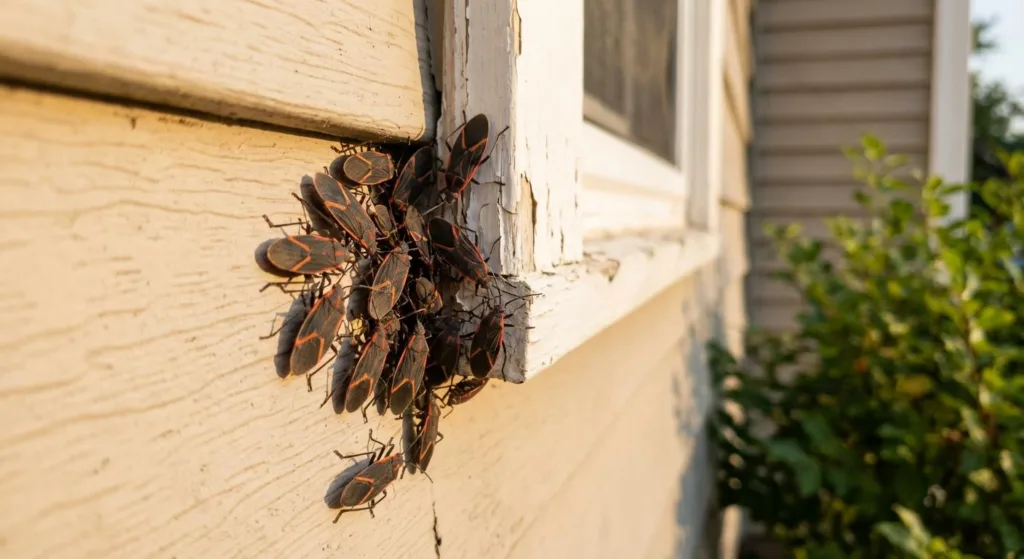
One day your siding looks normal. Next, dozens or even hundreds of black insects with reddish-orange markings are gathered around your windows, crawling across your deck, and covering the sunny side of your home.
If you’ve never dealt with boxelder bugs before, it can be frustrating. The good news is they aren’t damaging your home or looking for your food inside. They’re simply following a seasonal pattern that’s common throughout Minnesota.
Knowing why they’re showing up and taking action early can make all the difference between seeing a few bugs outside and dealing with them inside your home all winter.
Why Are Boxelder Bugs Covering My House?
As summer winds down and temperatures begin to cool, boxelder bugs start looking for a place to spend the winter. Before they settle into a protected space, they gather on warm surfaces that hold heat throughout the day.
That’s why you’ll usually find them on south and west-facing walls, around windows, garage doors, and other areas that get plenty of afternoon sun.
Your home isn’t attracting them because it’s dirty. It’s attracting them because it’s warm.
After spending time on your home’s exterior, they’ll begin searching for small openings that lead into wall voids, attics, and other sheltered areas where they can survive until spring.
Why Does My House Have More Boxelder Bugs Than My Neighbor’s?
Some homes naturally attract more boxelder bugs than others.
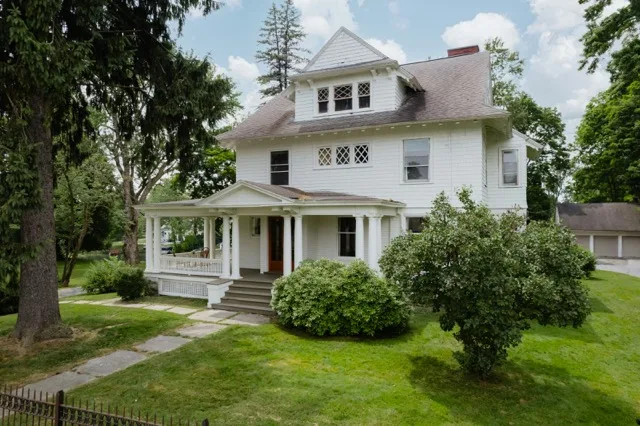
If your property has mature boxelder, maple, or ash trees nearby, you’re more likely to see activity because that’s where these insects spend much of the summer. Homes with large sunlit walls also tend to draw more bugs as the weather cools.
Small gaps around windows, utility lines, rooflines, and siding can make a difference too. Even well-maintained homes develop tiny openings over time, giving boxelder bugs an easy way to move inside.
When Do Boxelder Bugs Come Inside?
Many homeowners assume the bugs they’re seeing outside are already living indoors.
Usually, that’s not the case.
Boxelder bugs often spend days or even weeks gathering on your home’s exterior before they begin moving inside. Once they find an entry point, they hide in wall voids, attics, crawl spaces, and other protected areas where they’ll remain inactive through the winter.
That’s why homeowners are often surprised to see a few bugs crawling across a sunny window in January. Those insects didn’t just arrive. They’ve been inside the home since fall.
Can Boxelder Bugs Damage Your Home?
Fortunately, boxelder bugs are considered nuisance pests. They don’t chew wood, damage insulation, or reproduce inside your home.
The problem is their numbers.
Large groups can cover siding, windows, and foundations, and once they make their way indoors, they become an ongoing annoyance. Vacuuming bugs off windowsills every few days gets old quickly, and crushing them can leave behind stains and an unpleasant odor.
While they won’t damage your home, they can certainly make it less enjoyable.
How to Keep Boxelder Bugs Out of Your Home
The best way to deal with boxelder bugs is to stop them before they get inside.
Walk around your home’s exterior and look for places where insects might enter. Pay special attention to windows, doors, utility penetrations, rooflines, soffits, and damaged weatherstripping. Sealing gaps and replacing worn caulk can help reduce entry points before fall pest season reaches its peak.
It’s also a good idea to trim branches and shrubs away from your home. While boxelder bugs can fly, keeping vegetation away from the structure makes inspections easier and reduces access for a variety of seasonal pests.
Why Fall Is the Best Time for Professional Treatment
Timing is one of the biggest factors in successful boxelder bug control.
The ideal time for treatment is late August through September, while bugs are still gathering on the outside of your home. Waiting until October or November often means many have already found shelter inside.
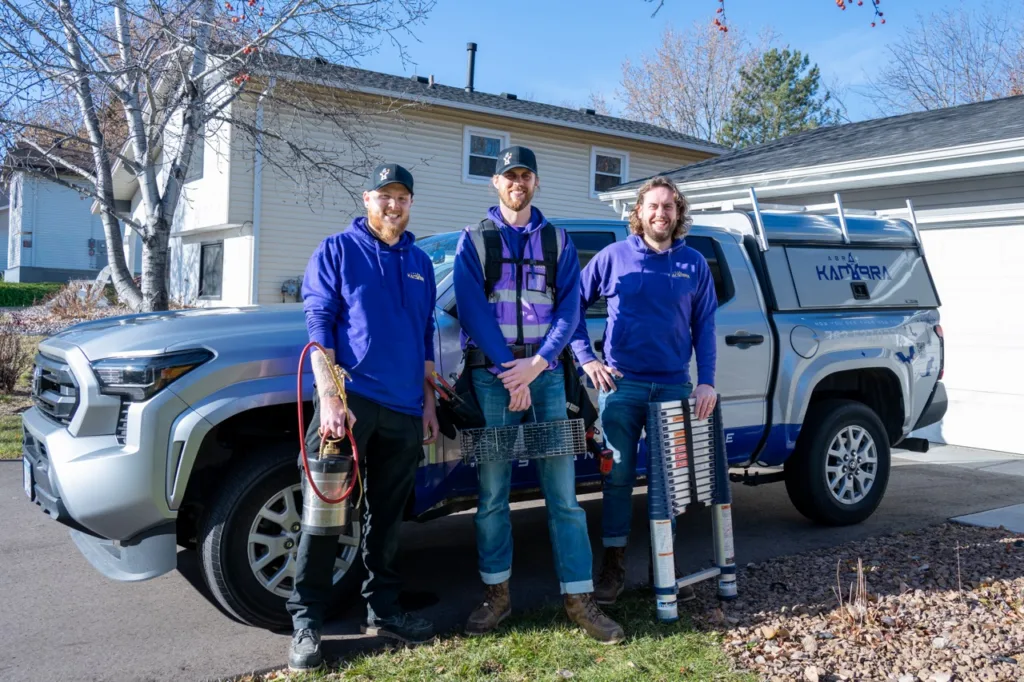
At Abra Kadabra Environmental Services, we focus on proactive exterior treatments that help prevent seasonal pests from becoming indoor problems. Using Integrated Pest Management principles, our technicians inspect your property, identify likely harborages and entry points, and recommend solutions based on your home’s unique needs.
Frequently Asked Questions
Do boxelder bugs bite?
No. Boxelder bugs don’t bite people or pets and aren’t known to spread disease.
Why do they gather on the sunny side of my house?
South and west-facing walls stay warmer later in the day, making them the ideal place for boxelder bugs to gather before searching for winter shelter.
Will boxelder bugs go away on their own?
Eventually, yes. However, if they’ve already entered your home, you may continue seeing them throughout the winter and into early spring.
When should I schedule treatment?
The best time is before bugs move indoors, typically in late August or September. If you’re already seeing large numbers on your home, it’s a good idea to schedule an inspection as soon as possible.
Stay Ahead of Fall Pest Season
Seeing a few boxelder bugs on your home might not seem like a big deal, but those first insects are often the beginning of a much larger seasonal invasion.
Taking action before they move indoors is the most effective way to keep them from becoming a problem all winter long.
If you’re seeing boxelder bugs gathering around your Minnesota home, Abra Kadabra Environmental Services can help. Our experienced technicians provide proactive exterior treatments designed to keep seasonal pests where they belong: outside. Contact us today to schedule your fall pest inspection and enjoy a more comfortable home this season.