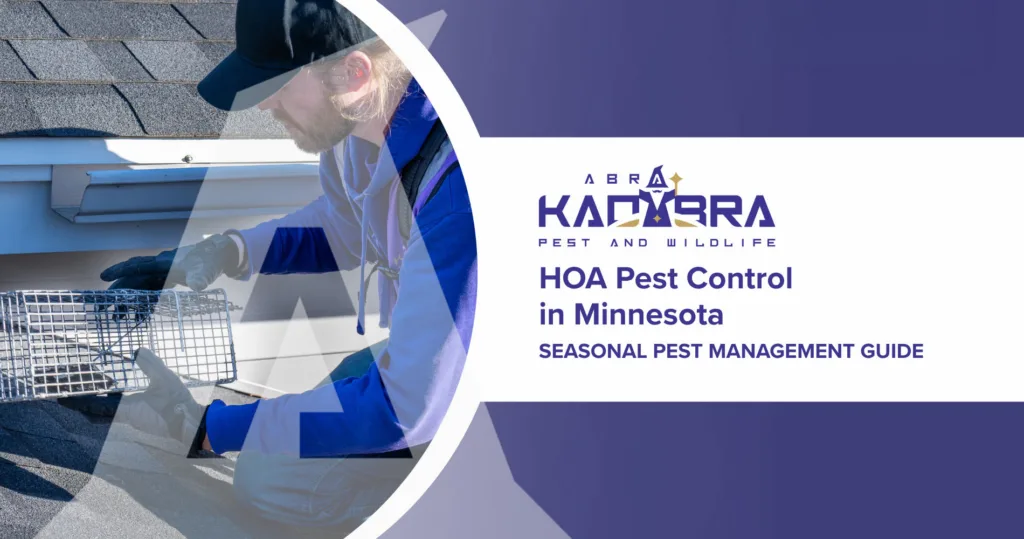
Why Minnesota HOAs Need a Seasonal Pest Plan
Homeowners associations have a lot to manage. Landscaping, maintenance, resident communication, shared amenities, budgets, inspections, and vendor relationships all compete for attention.
Pest control is easy to overlook until residents start calling.
By that point, mosquitoes may already be taking over the walking paths, wasps may be nesting near mailboxes, rodents may be finding shelter around shared buildings, or ticks may be showing up in common green spaces.
For Minnesota HOAs, a seasonal pest management plan helps protect the entire community before small pest problems become larger, more expensive issues.
At Abra Kadabra Environmental Services, we work with homeowners, property managers, and commercial properties throughout the Twin Cities metro to provide proactive pest and wildlife solutions. For HOAs, that means looking beyond one-time treatments and creating a plan that supports the property, residents, and shared spaces all year long.
Why HOAs Need a Different Pest Control Approach
An HOA is not the same as a single-family home.
There are more people, more shared areas, more structures, and more opportunities for pest activity to spread from one place to another.
A pest issue near one building can quickly become a problem for nearby residents. A mosquito breeding area near a pond or drainage area can affect the entire neighborhood. A rodent issue around a dumpster can move toward garages, sheds, and homes.
That is why HOA pest control in Minnesota works best when it is proactive and property-wide.
Instead of responding to complaints one by one, a seasonal plan helps identify pest pressure points before they become community-wide concerns.

Common Pest Issues for Minnesota HOAs
Every community is different, but many Minnesota HOAs deal with similar seasonal pest concerns.
Mosquitoes
Shared green spaces, ponds, wetlands, shaded landscaping, and drainage areas can all contribute to mosquito activity.
Mosquitoes are especially frustrating for residents because they affect quality of life. When mosquito activity is high, people are less likely to use patios, playgrounds, walking trails, pool areas, and outdoor gathering spaces.
A mosquito control plan can help make shared outdoor spaces more comfortable throughout the summer.
Ticks
Ticks are often found in tall grass, wooded edges, brush, and areas where wildlife travels.
HOA properties with trails, natural areas, retention ponds, or wooded borders may have higher tick activity. Residents with children and pets are often especially concerned about ticks in common areas.
Seasonal tick prevention can be an important part of maintaining safe, usable outdoor spaces.
Wasps and Stinging Insects
Wasps, hornets, and yellow jackets can create problems near mailboxes, playground equipment, clubhouses, pool areas, decks, and building entrances.
These pests become more noticeable as summer continues, especially when nests grow larger and activity increases.
For HOAs, stinging insects are more than an inconvenience. They can create resident complaints and make shared spaces uncomfortable or unsafe for some people.
Rodents
Rodents are a year-round concern for many communities.
Trash enclosures, garages, sheds, utility areas, landscaping, and shared buildings can all attract mice or rats. Once rodents find food, shelter, or access points, they can become difficult to control without a prevention plan.
Rodent prevention should include inspections, sanitation recommendations, exclusion opportunities (animalproofing), and ongoing monitoring when needed.
Ants and Spiders
Ants and spiders are common around buildings, landscaping, sidewalks, and entry points.
While these pests may seem minor, they can still create frustration for residents when they move indoors or gather around common areas.
A seasonal pest plan helps reduce activity and address conditions that attract pests in the first place.
Wildlife
Some HOA communities also deal with wildlife concerns such as squirrels, raccoons, bats, birds, or other animals entering shared buildings, attics, vents, or maintenance structures.
Wildlife problems often require more than removal. Exclusion and animal-proofing may be needed to help prevent the same issue from happening again.
Shared Spaces Need Shared Protection
One reason pest issues are challenging for HOAs is that pests do not respect property lines.
A homeowner may maintain their yard perfectly, but if a nearby common area has standing water, overgrown vegetation, or rodent activity, the problem can still affect them.
A seasonal pest management plan looks at the property as a whole.
This may include:
- Walking trails
- Playgrounds
- Clubhouses
- Pool areas
- Mailbox stations
- Trash and recycling areas
- Retention ponds
- Drainage zones
- Landscaped entrances
- Shared garages or storage areas
- Building exteriors
- Wooded or natural borders
When these areas are evaluated together, it is easier to identify where pests are coming from and how to reduce future activity.

Pest Control Supports Resident Satisfaction
For HOA boards and property managers, resident satisfaction matters. Pest issues can lead to complaints, emails, phone calls, and emergency service requests. They can also make residents feel like the property is not being maintained properly, even when the issue is seasonal or environmental.
A proactive pest plan shows residents that the HOA is thinking ahead.
Instead of waiting until there is a problem, the board can communicate that pest prevention is part of the community’s seasonal maintenance plan. That can go a long way in building trust.
What Should an HOA Pest Management Plan Include?
A strong HOA pest plan should be customized to the community, but most plans include several core pieces.
1. Seasonal Inspections
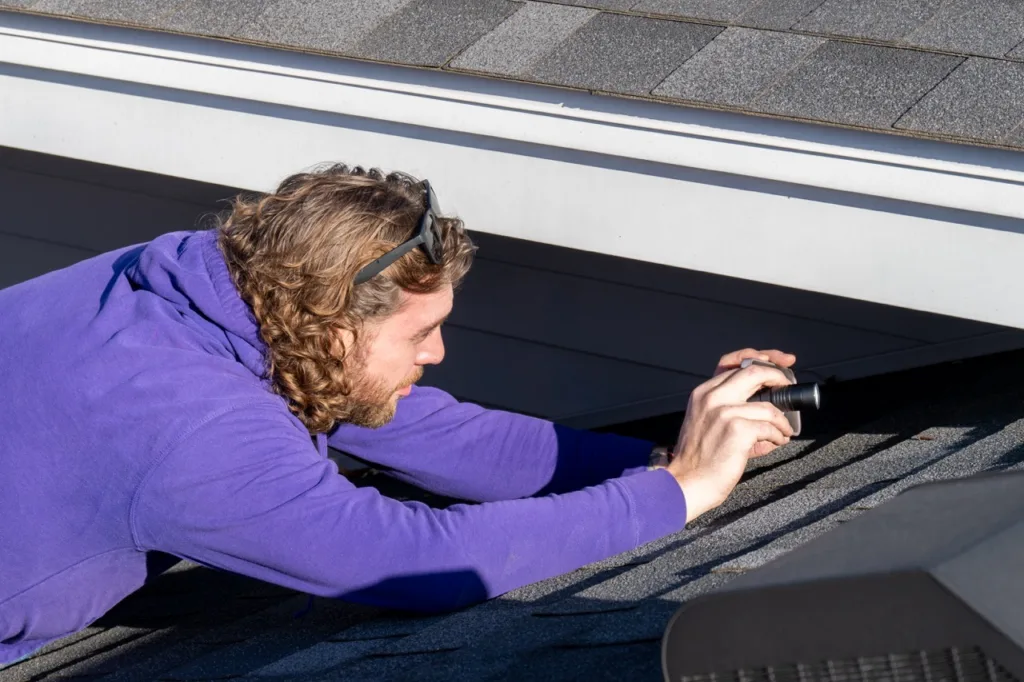
Inspections help identify pest activity, entry points, moisture issues, nesting areas, and conditions that may attract pests.
For Minnesota HOAs, inspections are especially helpful before peak pest seasons.
2. Mosquito and Tick Prevention
Summer treatments can help reduce mosquito and tick activity in common areas where residents spend the most time.
This is especially valuable for communities with trails, ponds, wooded edges, playgrounds, and gathering spaces.
3. Rodent Monitoring and Prevention
Rodent control should include more than traps.
A strong plan looks at sanitation, access points, food sources, shelter areas, and exclusion opportunities.
4. Stinging Insect Response
Wasps and hornets can become a recurring issue in common areas.
Having a plan in place makes it easier to respond quickly when nests are found near resident activity zones.
5. Wildlife Prevention and Exclusion
If wildlife is entering buildings or damaging property, removal alone may not be enough.
Exclusion helps seal vulnerable areas so animals are less likely to return.
6. Clear Communication
HOA boards and property managers need service partners who can explain what is happening, what was treated, and what steps may help prevent future issues.
Good communication helps everyone stay on the same page.
Prevention Is More Cost-Effective Than Emergency Calls
Emergency pest issues are stressful for everyone. They can also be more expensive than planned seasonal service.
When an HOA waits until residents are already complaining, the problem may require more time, more treatments, and more communication to resolve. A seasonal pest plan helps reduce surprises.
It allows the HOA to budget more effectively, plan treatments around resident use, and address pest concerns before they become urgent.
Pest Management Should Fit the Property
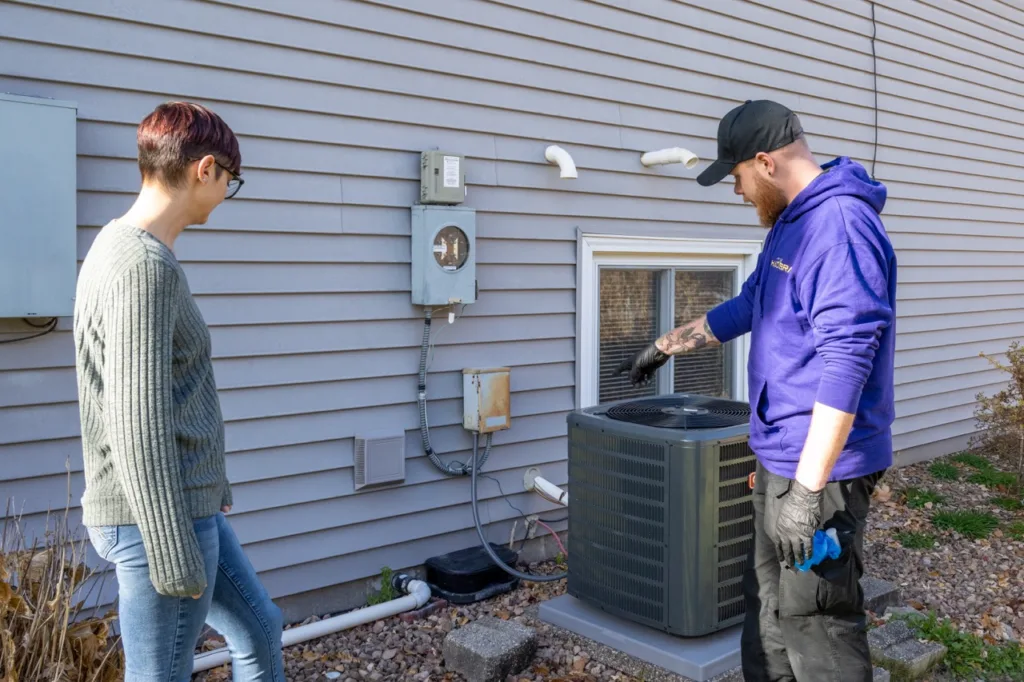
There is no one-size-fits-all pest plan for every HOA. A townhome community with shared garages may need a different approach than a neighborhood with walking trails and ponds. A community with a clubhouse and pool area may have different priorities than one with wooded lots and natural landscaping.
At Abra Kadabra Environmental Services, we use Integrated Pest Management principles to create practical, property-specific solutions.
That means we look at the full picture, including the pests, the property, the season, and the conditions attracting activity. The goal is not just to treat pests. The goal is to help prevent them from coming back.
When Should Minnesota HOAs Start Planning?
The best time to build an HOA pest control plan is before peak pest activity begins.
For Minnesota communities, spring and early summer are ideal times to plan for mosquitoes, ticks, ants, spiders, and stinging insects. Late summer and fall are important times to think about rodents and wildlife, especially as temperatures begin to change and animals look for shelter.
That said, it is never too late to start. If your HOA is already receiving resident complaints, a professional inspection can help identify the next best step.
Help Protect Your Community This Year
A well-maintained HOA community should feel comfortable, safe, and enjoyable for residents.
Pest problems can interfere with that experience, especially when shared spaces are affected. Whether your community needs mosquito control, tick prevention, rodent monitoring, stinging insect service, wildlife exclusion, or a full seasonal pest management plan, Abra Kadabra Environmental Services can help.
Our team provides professional pest and wildlife solutions for residential and commercial properties throughout the Twin Cities metro and surrounding areas.
Contact Abra Kadabra Environmental Services today to talk about a customized HOA pest management plan for your community.