
If you’ve ever scheduled a one-time pest control service hoping to “just get rid of the problem,” you’re not alone. Many homeowners across the Metro Minneapolis area try a single treatment expecting long-term relief, only to see ants return, rodents reappear, or spiders multiply weeks later.
The reality? One-time pest control treatments may work for a short period, but they rarely provide lasting results, especially in a climate like Minnesota’s.
Below are the top reasons why and what truly works.
1. One Treatment Doesn’t Break the Pest Life Cycle
Most pests don’t exist as a single visible group. They operate on overlapping life cycles that a one-time treatment simply can’t interrupt.
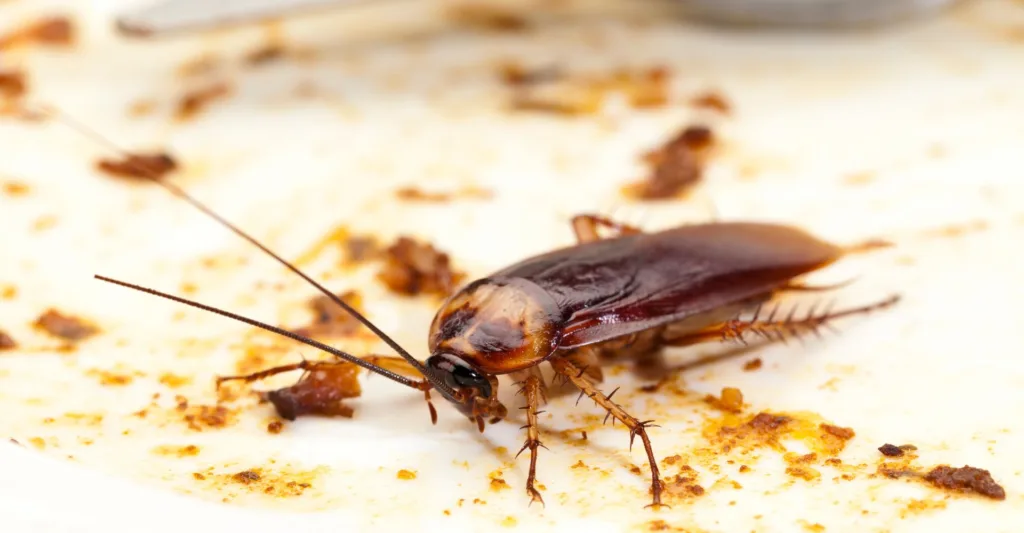
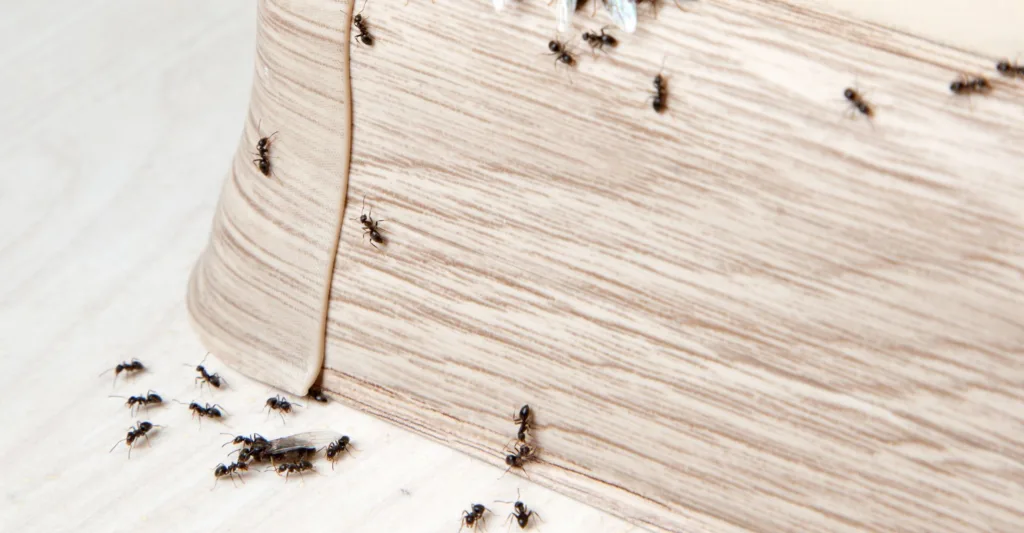
- Ants, cockroaches, and spiders lay eggs that are often unaffected by surface sprays
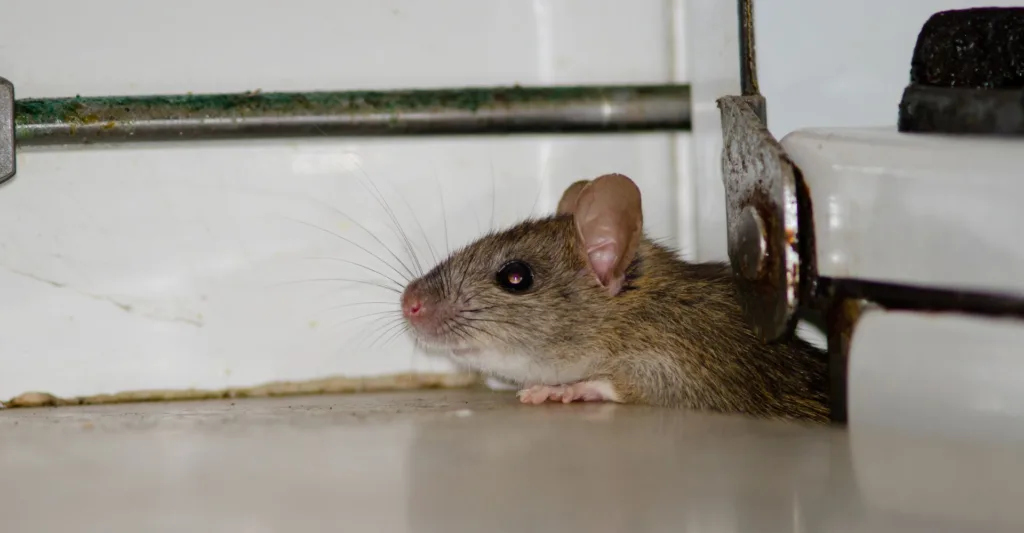
- Rodents reproduce quickly and rarely live alone
- Nesting areas are usually hidden in walls, soil, or insulation
A single professional visit will resolve your pest issues. However, pests reproduce on their own schedule, and they move faster than the seasons. Once those eggs hatch or the remaining pests resurface, the infestation starts all over again. That’s why scheduled recurring pest inspections matter.
This is why professional pest management focuses on scheduled follow-up treatments rather than one-off applications.
2. Minnesota’s Seasons Create Year-Round Pest Pressure
One of the biggest reasons one-time treatments fail in the Twin Cities is seasonal pest migration.
In Minnesota, pests don’t disappear — they rotate:
- Summer: Wasps, mosquitoes, flies, spiders
- Fall: Asian ady beetles, boxelder bugs, stink bugs, cluster flies, rodents seeking shelter
- Winter: Mice, spiders, household ants, and overwintering insects inside walls
- Spring: Ants and other insects emerging from hibernation
A treatment done in July won’t protect your home in October when rodents start looking for warmth. Moreover, January, February, and March are Minnesota’s top three months when most ants show up. This is why pest control is most effective as a seasonal strategy rather than a one-time event.
3. One-Time Treatments Don’t Address Entry Points
Killing pests without addressing how they’re getting inside is like mopping the floor while the faucet is still running.
Common Minnesota entry points include:
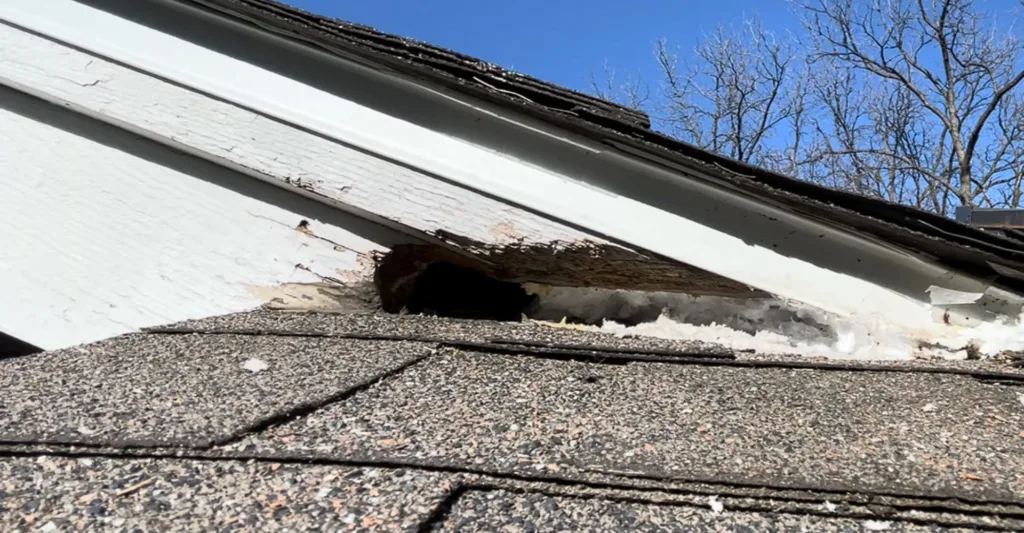
- Cracks in foundations from freeze-thaw cycles
- Gaps around windows and doors
- Utility line penetrations
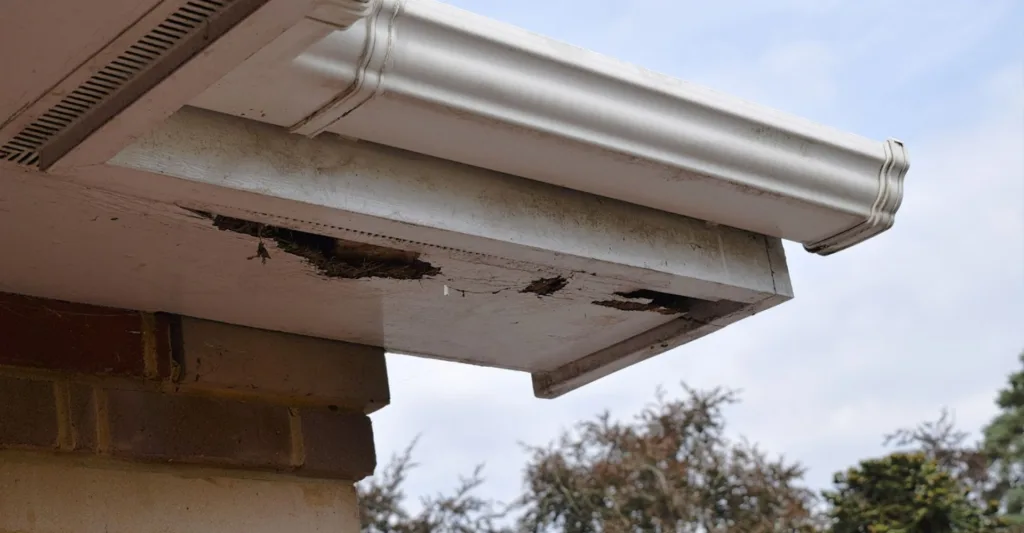
- Poorly sealed siding and rooflines
One-time treatments focus on elimination — not exclusion. Without sealing entry points, pests simply return through the same access routes.
Abra Kadabra Environmental Services often pairs pest control with exclusion and structural recommendations, something a one-off service rarely includes.
4. Pests Adapt Quickly to Single Applications
Pests are incredibly adaptive. When treatments are inconsistent or incomplete:
- Survivors reproduce and offspring are born resistant to treatment
- Some pests may move colonies or nesting locations
This is especially true with ants and cockroaches. Sporadic treatment can make infestations harder to control over the long term, requiring stronger or more targeted approaches later.
Ongoing service allows professionals to rotate methods and stay ahead of resistance.
5. Environmental Conditions Undermine One-Time Results
Even the best treatment won’t last if the environment remains pest-friendly.
Common issues that cause reinfestation include:
- Moist basements and crawl spaces
- Standing water near foundations
- Poor garbage management
- Pet food left accessible
- Yard debris or woodpiles close to the home
A one-time treatment doesn’t account for changing conditions. Ongoing plans allow technicians to identify risk factors over time and help homeowners reduce them.
6. One-Time Treatments Are Reactive, Not Preventive
One-time pest control is almost always reactive—called after pests are already established.
Preventive pest control focuses on:
- Monitoring before infestations escalate
- Creating exterior barrier treatments
- Treating seasonal pressure points early
- Catching problems before they spread
By the time pests are visible indoors, the infestation has often been active for weeks or months. Preventive service stops problems before they reach that stage.
7. One-Time Treatments Often Cost More in the Long Run
While a single treatment may appear cheaper up front, repeated callbacks add up quickly.
Homeowners who rely on one-off services often end up paying for:
- Multiple emergency visits
- DIY products that don’t work
- Repairs to damaged insulation or wiring
- Stress and lost time
In most cases, the total cost exceeds that of an annual pest control plan without providing the same level of peace of mind.
8. Some Problems Simply Can’t Be Solved in One Visit
Certain infestations require staged treatment by design:
- Rodent infestations that require trapping, monitoring, and exclusion
- Ant colonies with multiple satellite nests
- Wildlife activity requiring removal, sealing, and follow-up
- Seasonal pests that reappear annually
Attempting to resolve these issues in a single visit often yields partial results and recurrence of the issues. Abra Kadabra Environmental Services builds pest control plans around realistic timelines, not quick promises.
9. Ongoing Pest Control Works Because It Adapts
The biggest reason ongoing pest control works, and one-time treatments don’t, is adaptability.
With a service plan, technicians can:
- Adjust treatments based on activity levels
- Respond to seasonal changes
- Identify new vulnerabilities
- Reinforce barriers before infestations occur
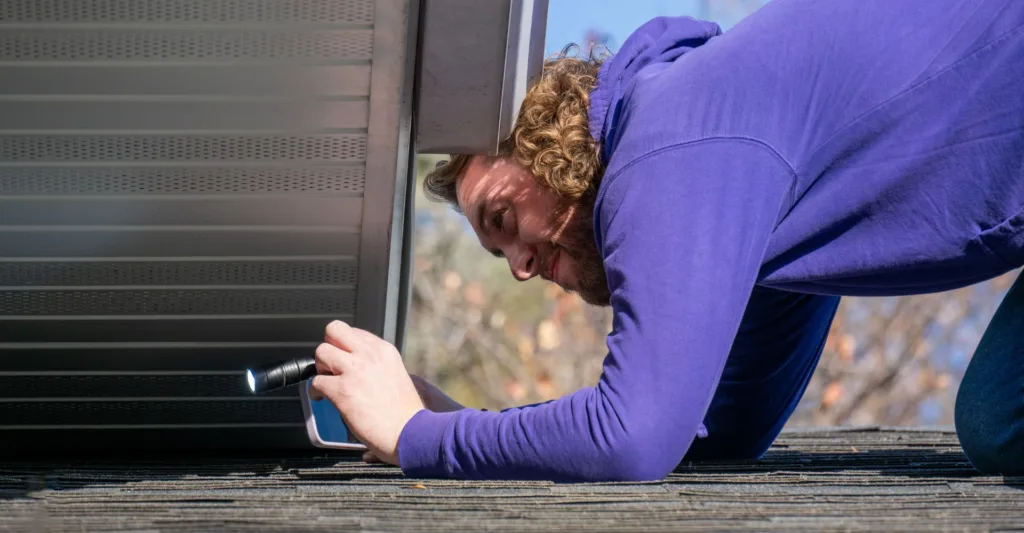
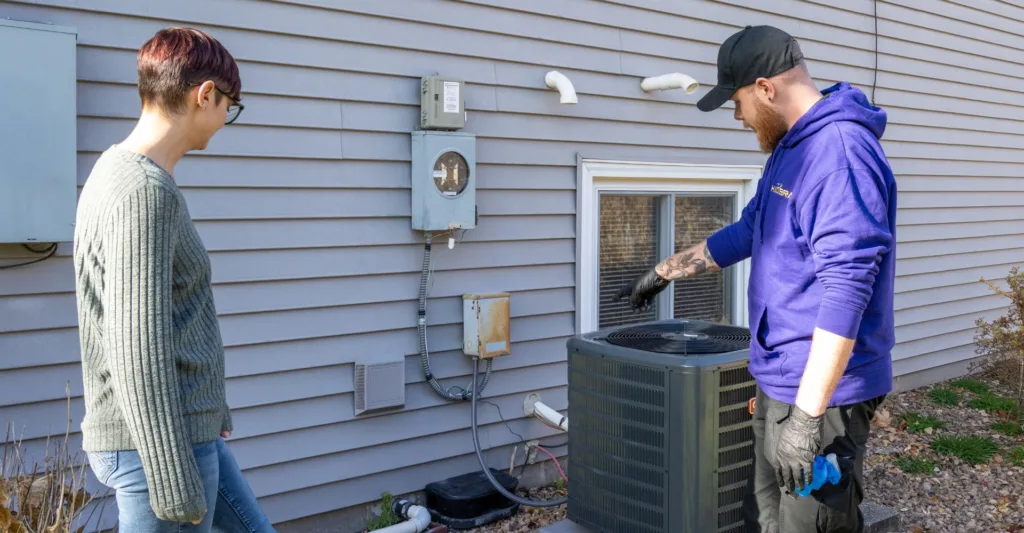

Abra Kadabra Environmental Services offers customized pest control solutions for Metro Minneapolis homeowners, with service schedules based on property risk, pest pressure, and Minnesota’s climate patterns.
Learn more about our approach here:
https://abrakadabraenvironmental.com/about/faq/
When Does a One-Time Treatment Make Sense?
To be fair, one-time treatments can be appropriate in limited situations:
- A single wasp nest removal
- Temporary mosquito control for an event
- Isolated pest sightings with no established infestation
Even then, it’s important to understand that results are temporary unless paired with prevention.
Important Note
Modern treatments are designed to be short-term and degrade within three months to protect the environment. Regularly scheduled, targeted treatments allow us to safely maintain protection year-round.
In Conclusion
If you live in Minneapolis or the surrounding metro area, a one-time pest control treatment is rarely enough. Between Minnesota’s climate, pest biology, and structural challenges, long-term control requires ongoing monitoring, seasonal treatments, and prevention.
Abra Kadabra offers free home inspections in the Twin Cities and surrounding areas. You can call us at (763) 265-7356 or book an appointment via our website.
We can address your emergency needs and provide a reasonable package tailored to your home’s pest-proofing requirements.
Call today
To request a consultation, call Abra Kadabra at (763) 265-7356. We’re happy to discuss your concerns.