The holidays are cozy: twinkle lights, evergreen scent, and boxes of decorations pulled from the attic. However, the things that keep the Christmas spirit alive, like real Christmas trees, wreaths, and garland, can sometimes carry less welcome ornaments: spiders, beetles, moths, and even mice.
In the Twin Cities metro, where Minnesota’s cold sends wildlife looking for warm shelter, holiday decorations (and the places we store them) make convenient hideouts.
This holiday season, our experts from Abra Kadabra will discuss how pests make their way indoors, the real risks (to property and health), and practical, Minnesota-friendly steps to keep your holiday season pest-free.
Why decorations attract pests
Pests use holiday items for three main reasons: shelter, food, and access to sheltered microclimates. Real Christmas trees and outdoor wreaths are grown in fields and forests — perfect places for spiders to spin egg sacs, for small insects to hide, and for beetles or moth larvae to hitch a ride.
Artificial trees and packed ornament bins are also inviting when stored in attics, garages, and basements, where mice and spiders find quiet, dark corners to nest. In colder months, animals that typically stay outside may move closer to homes in search of warmth and protected harborage.


Typical pests seen
- Spiders: Most house spiders are harmless and helpful (they eat nuisance insects), but webs, egg sacs, and surprise sightings are unwelcome while hosting guests. According to UMN Extension notes, spiders are common indoors and generally not dangerous — but they’re hard to eliminate.
- Insects: Beetles, moths, and mites can be brought indoors on cut greens or live trees; sometimes eggs or pupae hatch after the tree is inside.
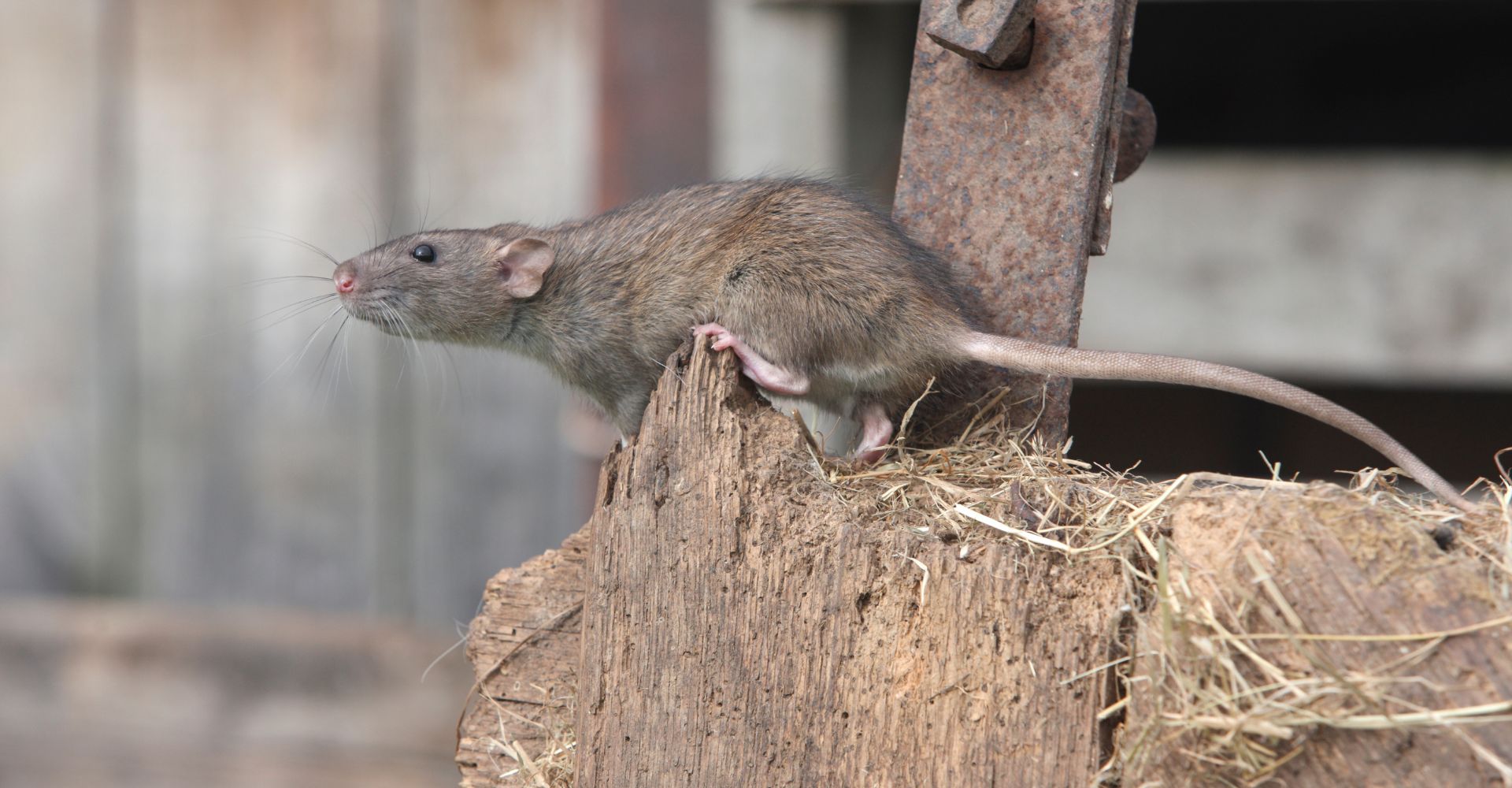
Rodents (mice, rats): Mice love ornament boxes, wreaths, and insulation. They can gnaw wiring (a fire risk), contaminate surfaces with droppings, and carry pathogens. The CDC and EPA both advise sealing entry points and sanitation to minimize risks from rodents.


Why Twin Cities homeowners should be extra mindful
Minnesota’s seasonal swing with wet springs and icy winters influences pest behavior.
In the Twin Cities metro, attics, soffits, and poorly sealed wall voids are top targets for overwintering rodents and squirrels; fallen needles, stacked firewood, and outdoor wreaths give insects a pathway indoors.
Local pest pros also report more calls after homeowners bring trees and greens inside without inspecting or storing decorations for long periods in rodent-accessible spaces. If you’re in Minneapolis, St. Paul, or surrounding suburbs, it’s smart to add a seasonal pest inspection to your holiday checklist.
(If you need help, Abra Kadabra’s rodent control and wildlife exclusion services are available across the metro — see our Rodent Control and Mice Control pages for service areas and how we work.)
Inspection list for decorations
- Shake outdoor greens and trees. Before you enter the house, give wreaths, garlands, and trees a vigorous shake outside to dislodge spiders, beetles, and loose debris. Experts recommend leaving a freshly cut tree outside for a day, if possible, to let any hidden insects crawl out.
- Open and check bins. Don’t just yank boxes down — open them in the garage or driveway and inspect for droppings, nesting material, webbing, or live insects.
- Look for egg sacs and larval casings. Small, papery sacs or tiny white eggs on branches, ribbons, or woven decorations mean trouble: remove and dispose of them outdoors (away from the house) if you find them.
- Scan tree trunks/branches for boreholes or frass. These are signs of wood-boring insects; discard or treat accordingly.
- Check storage spaces. Before loading decorations back into the attic or basement, inspect those spaces for signs of mice: droppings, chewed cardboard, or greasy rub marks along baseboards.
How to store decorations to avoid pests
- Store ornaments and textiles in rigid plastic bins with snap lids (cardboard is easy for mice to chew through).
- Use sealed, breathable garment bags for delicate wreaths or greens that need airflow, but keep them in pest-free rooms.
- Elevate storage off the floor on shelving; mice often travel along the base of walls and prefer low, hidden routes.
- Avoid storing decorations near firewood, compost, or dense shrubs that border the house.
- For long-term storage, consider sealing box seams with tape and adding moth/rodent deterrents (such as cedar blocks)—but never use toxic baits inside storage boxes.
If you already have rodent evidence in your storage area, see our Dangers of Rodent Droppings page for cleanup and decontamination steps. Abra Kadabra
Safe, homeowner-friendly removal and control steps
- Sanitation first. Remove attractants — store food in sealed containers, clean up crumbs after gatherings, and repair leaky pipes. The EPA’s guidance emphasizes prevention and correct pesticide use only when necessary. Environmental Protection Agency
- Seal entry points. Caulk small gaps, repair torn screens, and install metal flashing where gaps exist. For larger wildlife or repeated rodent access, professional exclusion with heavy-duty materials is the best long-term solution. Abra Kadabra’s Wildlife Exclusion page explains the commercial-grade products we use for lasting results. Abra Kadabra
- Humane one-way exits for wildlife. If animals are already in your attic, wildlife exclusion pros often use one-way devices to let animals leave without re-entry, then seal the access. This prevents in-home fatalities and costly cleanup. Abra Kadabra
- Rodent cleanup protocols. If you find droppings in ornament bins or storage, treat the area as contaminated: ventilate, use gloves, disinfect hard surfaces, and avoid sweeping without wetting first (to prevent aerosolizing particles). The CDC has detailed cleanup instructions for rodent contamination. CDC
Decorating tips that reduce pest risk
- Opt to decorate outdoors (first). Hang wreaths and garlands outside and visually inspect before bringing anything indoors.
- Store lights and fragile decor in rodent-proof containers. Keep them wrapped and sealed; mice like the warmth and nesting material inside old boxes of tinsel and cloth.
- Limit open food displays. During parties, keep open bowls of nuts or sweets covered when not actively snacking — they attract ants and possibly rodents.
- Vacuum and dust after decorating. Needle buildup and debris give pests material for nests; a quick cleaning reduces shelter and food.
- Consider artificial trees if you’ve had repeated pest problems. They’re easier to store tightly wrapped; but remember they can still harbor pests if stored in a spider-friendly attic for months.
PestWorld and other industry groups offer holiday-specific checklists that echo these tips — great, quick references before you string the lights.
When to call the pest experts
Call a pest or wildlife professional if you discover:
- Repeated droppings or new gnaw marks after you’ve sealed obvious entry points.
- Sounds in walls or attic (especially at night).
- A nest, a dead animal, foul odors, or insect outbreaks in stored greens.
- Evidence of nesting inside insulation or HVAC ducts — these require professional cleanup and possibly insulation removal.
A professional visit usually includes an inspection, identification of entry points, exclusion recommendations (or immediate repairs), and a sanitation plan.
Suppose you’re in the Minneapolis–St. Paul area, Abra Kadabra offers rodent control, wildlife exclusion, attic sanitation, and follow-up prevention. You can request a quote or contact us directly through our Contact page or call (763) 537-0330.
In Conclusion
Spiders and the occasional hitchhiking insect are usually more gross than dangerous; rodents pose a greater hazard because of their chewing, contamination, and disease potential.
With a few careful steps, through inspection, proper storage, sealing entry points, and calling professionals for exclusion or cleanup, you can enjoy a festive, pest-free holiday in the Twin Cities.
For local help with rodent removal, wildlife exclusion, or attic cleanup, check our Rodent Control, Mice Control, and Wildlife Exclusion pages, or reach out on our Contact page.