

When it comes to pest control, multi-family housing properties, such as apartments, condos, and townhomes, present unique challenges that differ substantially from single-family homes. In Metro Minneapolis, Minnesota, where seasonal temperature swings and urban density create ideal conditions for pest pressures, understanding these differences is essential.
At Abra Kadabra Environmental Services, we specialize in pest management that works with the complexities of shared living spaces. In this post, we’ll break down how pest control differs for multi-family housing, why it matters, and how property managers and residents can work together to maintain a pest-free environment.
What Makes Multi-Family Housing Different?
1. Shared Walls, Shared Problems
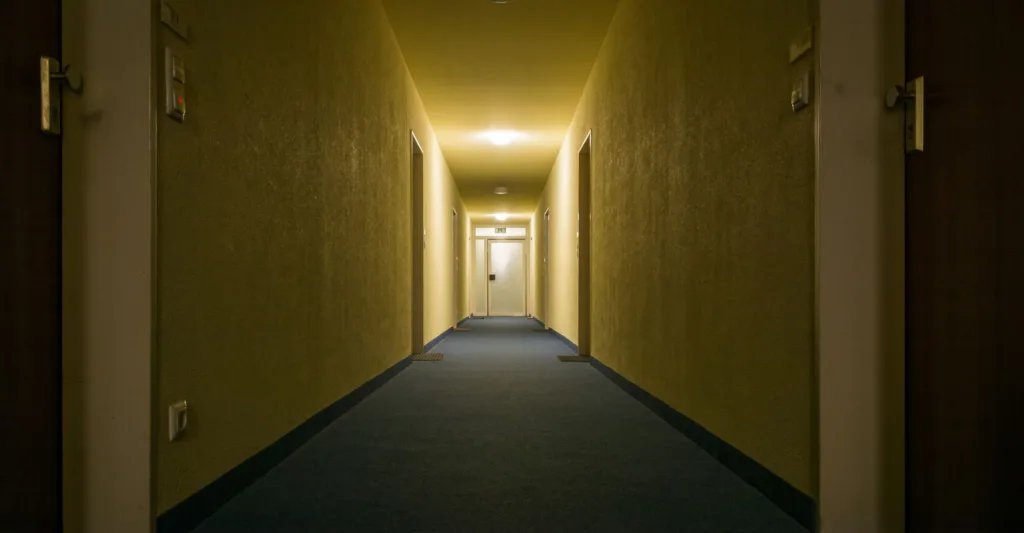
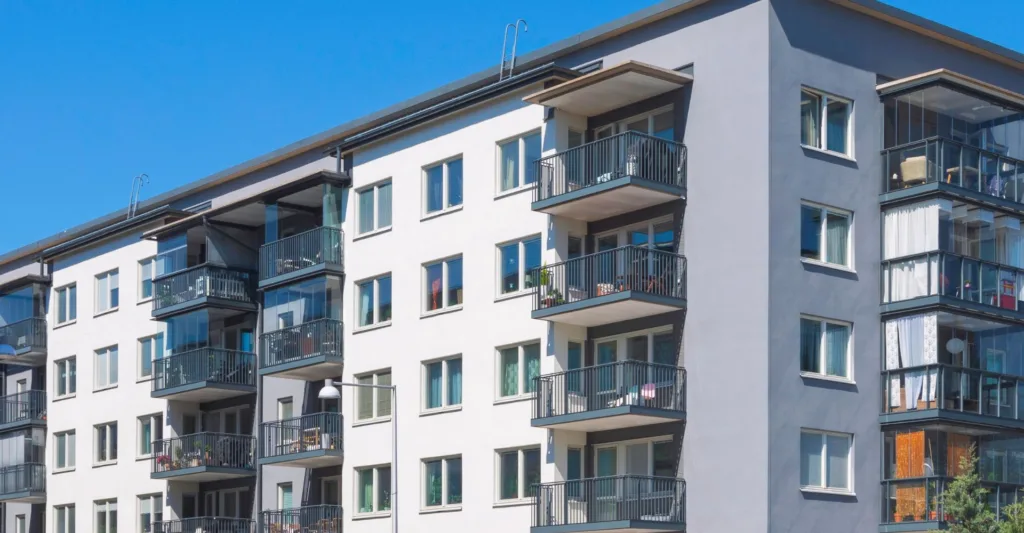
In multi-family housing, units are attached, which means pests have multiple pathways to travel. Bed bugs, cockroaches, rodents, and ants can move easily between units, common hallways, and shared utility spaces. Unlike a single-family home that is isolated on all sides, apartments are interconnected, creating a pest freeway unless effectively managed.
According to Extension.org, bed bugs have become increasingly problematic in multi-family settings due to their ability to hitchhike between units on belongings, walls, and shared spaces.¹
2. Higher Tenant Turnover
Turnover in apartments and condos tends to be higher than in single-family homes. Every time a tenant moves in, there’s a potential for new pest introductions from luggage, furniture, or even second-hand items brought into the home.
This means pest control in multi-family settings must be proactive and ongoing, not just reactive when complaints arise.
3. Regulatory and Liability Considerations
In Minnesota, property owners and managers are legally responsible for maintaining habitable living conditions, and pest infestations can fall under that umbrella. The Minneapolis Rental License Program has health and safety standards, and recurring infestations can impact licensing compliance.
In contrast, single-family homeowners are responsible for their own property, without additional regulatory oversight associated with shared occupancy.
The Most Common Multi-Family Housing Pests in Metro Minneapolis
Minnesota’s climate and urban environment shape the pest landscape. Here are pests especially common in multi-family homes:
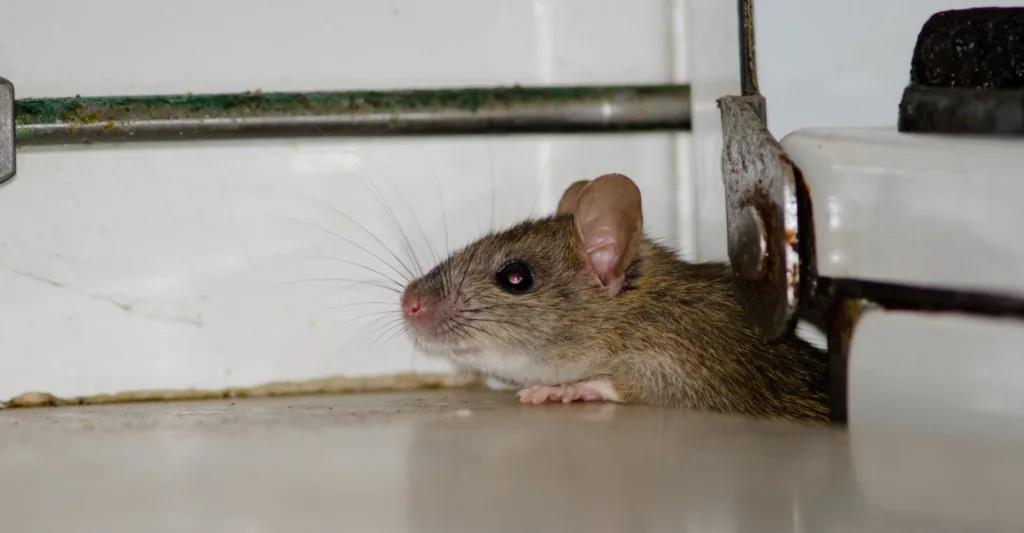
Rodents (Mice & Rats) — Rats aren’t common in Minnesota, but shared walls are one of the precursors for them to grow in numbers, since rodents share wall cavities, crawl spaces, and utility chases. In winter, they seek warmth, and multi-family buildings offer many entry points.
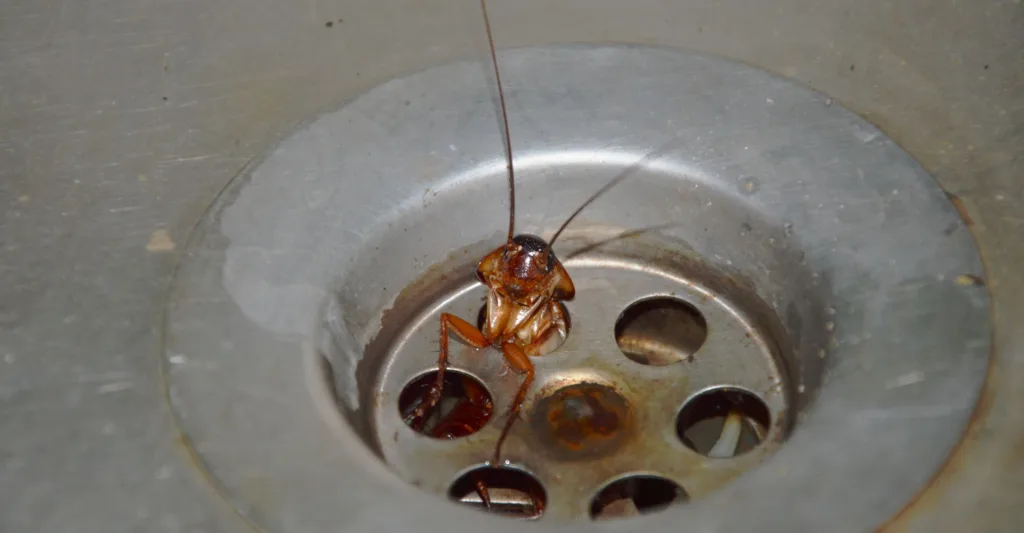
Cockroaches — German cockroaches, in particular, thrive in high-density housing where food and water sources are readily available. Once established in one unit, they quickly spread.
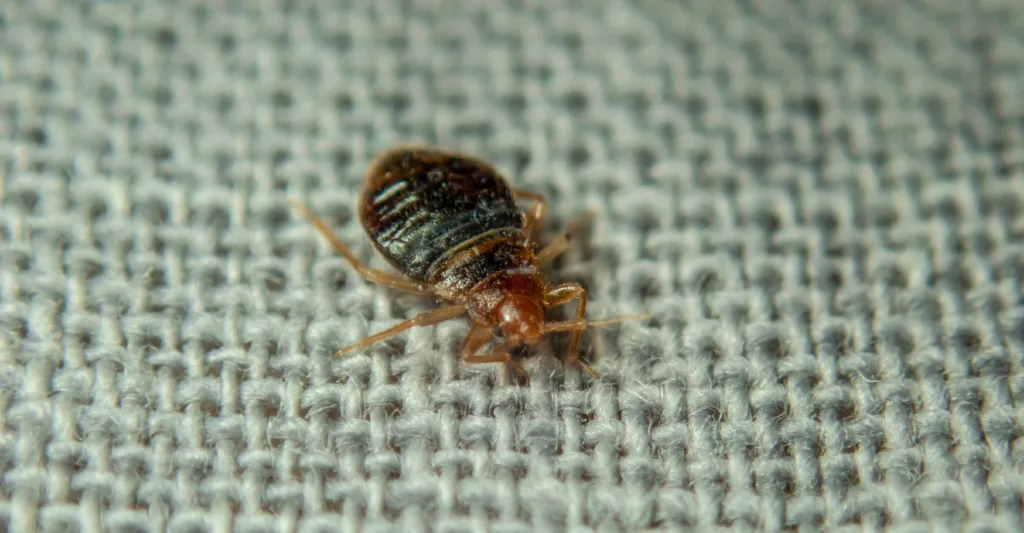
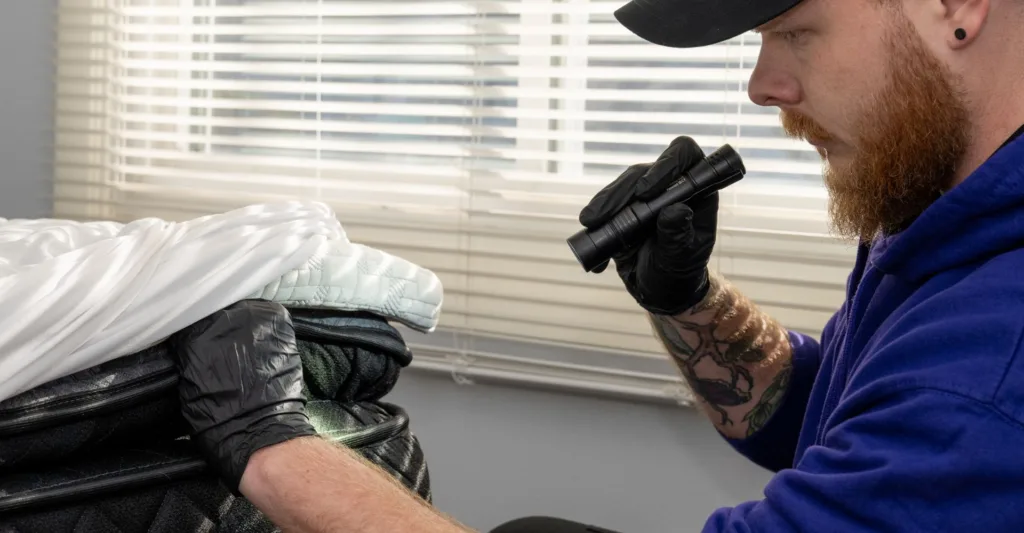
Bed Bugs — These hitchhiking pests are exceptionally hard to control once they spread through walls, electrical conduits, and common areas.
Ants (Including Carpenter Ants) — In warm months, ants enter from outside and can easily navigate through tiny gaps between units.
Stored Product Pests — Pantry pests can flourish in kitchens across multiple units if food storage practices aren’t managed.
Key Differences in Pest Control Strategy
Pest control in multi-family housing must be comprehensive, coordinated, and continuous. Here’s how it differs from standard residential pest control:
1. Property-Wide Inspections, Not Just Unit-Level
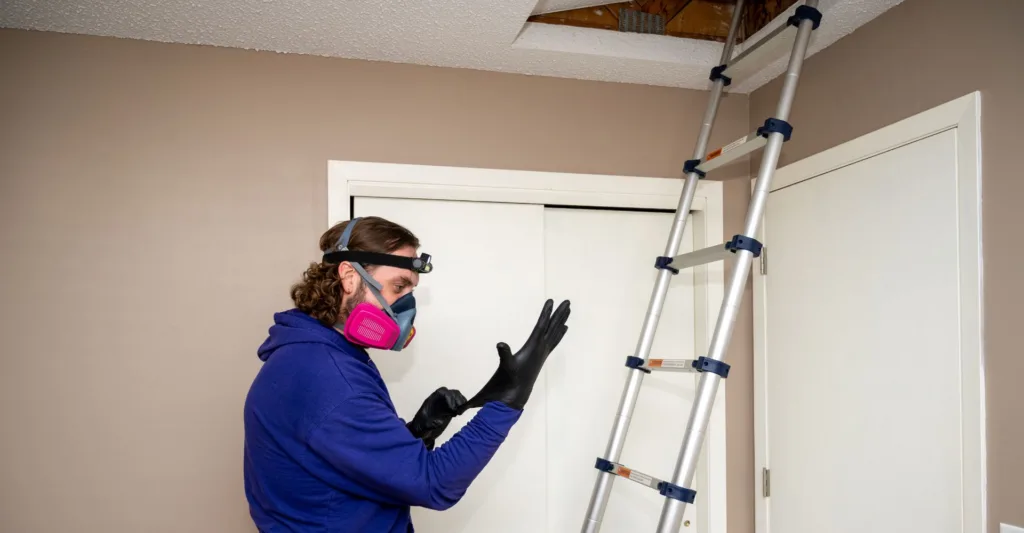
In single-family homes, pest control technicians typically inspect and treat one property. In multi-family settings, technicians must:
- Survey common areas
- Inspect shared walls and utility spaces
- Coordinate with property maintenance teams
- Assess multiple units (often dozens or hundreds)
This type of inspection is broader and often requires more time and expertise.
2. Integrated Pest Management (IPM) is Essential
For multi-family housing, we rely on Integrated Pest Management (IPM) — a science-based approach that focuses on:
- Sanitation and structural controls
- Pest exclusion and habitat modification
- Targeted treatments when necessary
External resources, such as the Environmental Protection Agency (EPA), identify IPM as a best practice for managing pests responsibly.
In contrast, single-family pest control may rely more heavily on reactive treatments.
3. Strong Communication is Critical
Pest control in shared environments can’t succeed with isolated efforts. We work with:
- Property managers
- Maintenance teams
- Residents
To ensure everyone understands prevention best practices, treatment schedules, and what to do if pests are spotted.
Missed communications in multi-family housing can lead to reinfestation or spread.
4. Tenant Education and Cooperation
In multi-family housing, residents play a major role in pest management. Ensuring tenants understand:
- Proper sanitation
- How to report pest activity early
- Why DIY sprays might make problems worse
For resources on tenant education and best practices, see this overview from the National Pest Management Association (NPMA).
Seasonal Considerations in Minnesota
Minnesota’s climate deeply affects pest behavior. Cold winters and hot, humid summers require seasonal adaptation in pest control approaches.
Winter
During the winter months in Minneapolis and Saint Paul, rodents and spiders seek warmth indoors. Technicians focus on:
- Sealing entry points
- Treating around common entry areas
- Strategic monitoring
Spring and Summer
As temperatures warm, ant and cockroach activity increases. Multi-family properties are especially vulnerable due to:
- Increased humidity
- Outdoor landscape beds
- Shared trash disposal areas
Comprehensive seasonal plans — such as those in our Residential Pest Prevention Plan — are designed to anticipate these changes.
Why DIY Solutions Often Fail in Multi-Family Properties
It’s common for property managers or residents to try store-bought sprays or traps before calling a professional. While these products may offer temporary relief, they usually fail in multi-family environments because:
Only Treats Symptoms, Not Causes
For example, sprays kill visible ants but do nothing about the nest inside wall voids.
Doesn’t Address Movement Between Units
Pest behavior in shared environments requires whole-building strategies that DIY products can’t deliver.
Misusing Treatments Can Spread Pests
Some treatments, if applied improperly, can push pests deeper into structures or into neighboring units.
For more on why professional pest control is more effective, the American Society of Home Inspectors (ASHI) offers guidance on pest behavior and building science.
Best Practices for Property Managers in Metro Minneapolis
If you manage multi-family housing in the Twin Cities, here are proactive steps to minimize pest issues:
1. Implement a Year-Round Pest Management Plan
Seasonal plans, particularly in climates with cold winters such as Minnesota’s, are essential. This includes:
- Regular inspections
- Targeted treatments
- Monitoring in common areas
See our Commercial Pest and Wildlife Control Services page for options tailored to multi-family housing.
2. Seal Entry Points
Cracks, gaps, and utility penetrations are highways for pests. Regular maintenance to seal these areas can dramatically reduce pest entry.
3. Train Staff and Tenants
Education is important. You can check our commercial blogs & other resources to learn more. Additionally, you should hold periodic meetings with tenants to review sanitation best practices and explain how to report pest sightings promptly.
4. Coordinate Treatments
If a unit reports an issue, don’t wait. Schedule inspections and treatments for adjacent units early to prevent spread.
5. Manage Trash and Food Waste
Pest pressures escalate in shared trash facilities. Ensure dumpsters are:
- Cleaned often
- Properly sealed
- Located away from building foundations
When to Call the Pros
You should contact professional pest control if:
- Activities are spreading between units
- DIY methods aren’t working
- You have recurring infestations
- You want a preventative, not reactive, plan
At AbraKadabra Environmental Services, we offer tailored pest programs for multi-family housing in Metro Minneapolis. Visit our Request a Quote page or call our team today to get started.
In Conclusion
Pest control in multi-family housing is fundamentally different from that in single-family homes, especially in northern urban climates like Minneapolis–Saint Paul, Minnesota.
From shared walls and tenant turnover to regulatory requirements and seasonal pest behavior, effective pest management demands expertise, coordination, and a comprehensive strategy.
Whether you manage an apartment complex, condo association, or other multi-unit residence, understanding these differences will help you protect your property, preserve tenant satisfaction, and reduce long-term costs.
Contact us today to schedule a commercial pest inspection and start strengthening your building against infestations before pests take hold.
Call today
To request a consultation, call Abra Kadabra at (763) 265-7356. We’re happy to discuss your concerns.