
Spring in Minnesota, especially in the Minneapolis metro area, is a time of renewal. Snow melts, rivers swell, and landscapes come alive. But all that moisture and changing ground conditions affect people and infrastructure. They create a cascade of pest challenges for local businesses.
In this comprehensive guide, we’ll explore why spring flooding worsens pest problems in commercial properties, which specific pests to watch for, how flooding creates conditions conducive to infestations, and, most importantly, how Metro Minneapolis businesses can proactively protect themselves through effective pest management.
If your business is near low-lying areas like the Mississippi River floodplain or the Metro’s many lakes, this article is especially relevant.
How Spring Flooding Happens in Minnesota
Minnesota’s unique climate and geography make spring flooding a recurrent issue:
- Heavy snowpack throughout winter leads to rapid melt in spring.
- Frozen ground slows water absorption, increasing surface runoff.
- Ice jams on rivers, especially on the Mississippi, cause localized flooding.
- Occasional rainfall increases runoff and river flow.
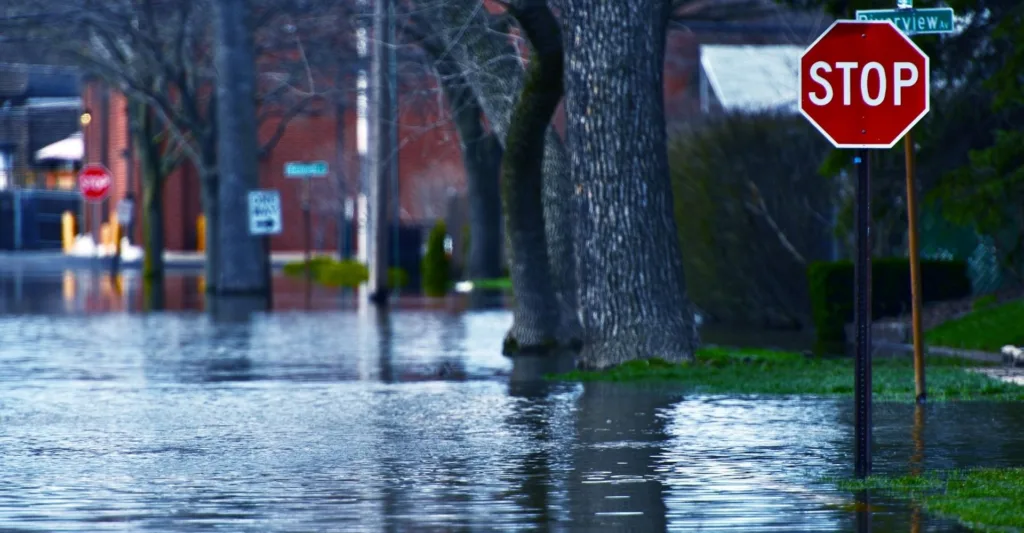
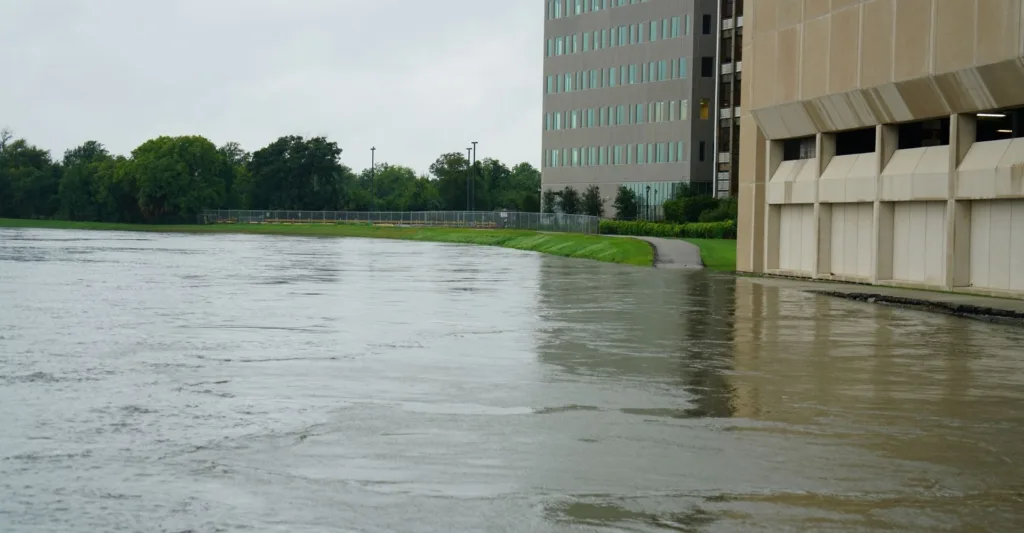
When flooding occurs, water infiltrates basements, cracks pavement, and saturates soil, which increases pest pressures and can shift dramatically.
Water and Pest Activity
Floodwater itself isn’t the pest, but it creates ideal conditions for many pests that pose threats to commercial properties:
- Moisture attracts pests: Many insects and rodents need water. Flooding provides abundant moisture sources.
- Habitat disruption drives pests indoors: Rising water forces wildlife and pests out of their natural burrows and hiding places.
- Water damage weakens structures: Damp foundations, swollen wood, and compromised seals make it easier for pests to enter buildings.
- Food sources become more accessible: Contaminated standing water and flooded waste areas attract pests seeking food.
Let’s break down how specific pest populations respond to flooding conditions.
Why Flooding Drives Rats & Mice Indoors
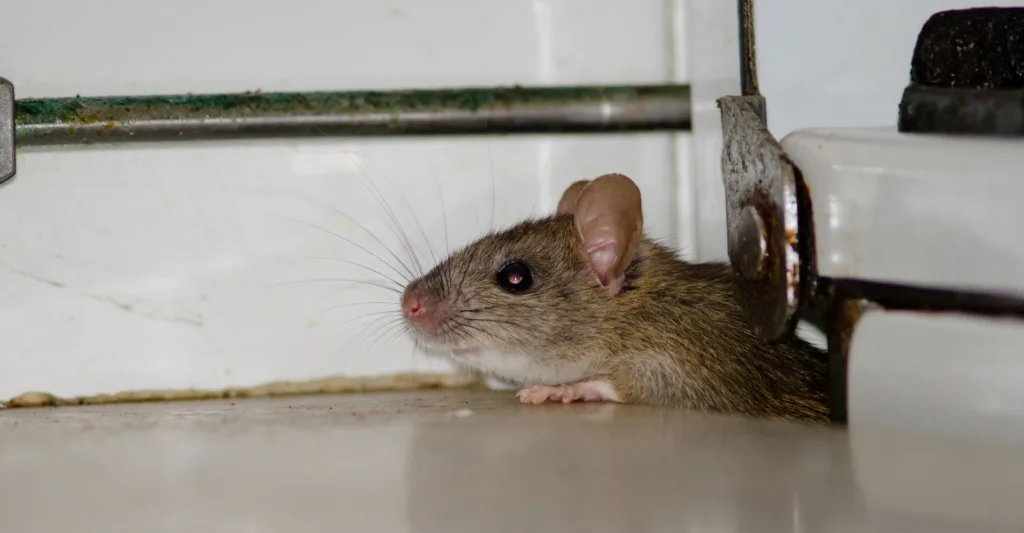
Rodents are excellent swimmers, but when floodwaters rise, they seek dry shelter. Commercial buildings offer warmth, food sources, and undisturbed nesting spaces.
Key drivers for rodent pressure after flooding:
- Rising groundwater infiltrates sewers and basements, pushing rats and mice upward.
- Burrows near the foundations collapse, forcing animals to relocate.
- Standing water concentrates rodents in limited dry zones—often inside buildings.
Rodents aren’t just a nuisance; they damage property, chew wiring, and spread disease. They’re one of the top reasons businesses in Minneapolis call professional pest control services after major water events.

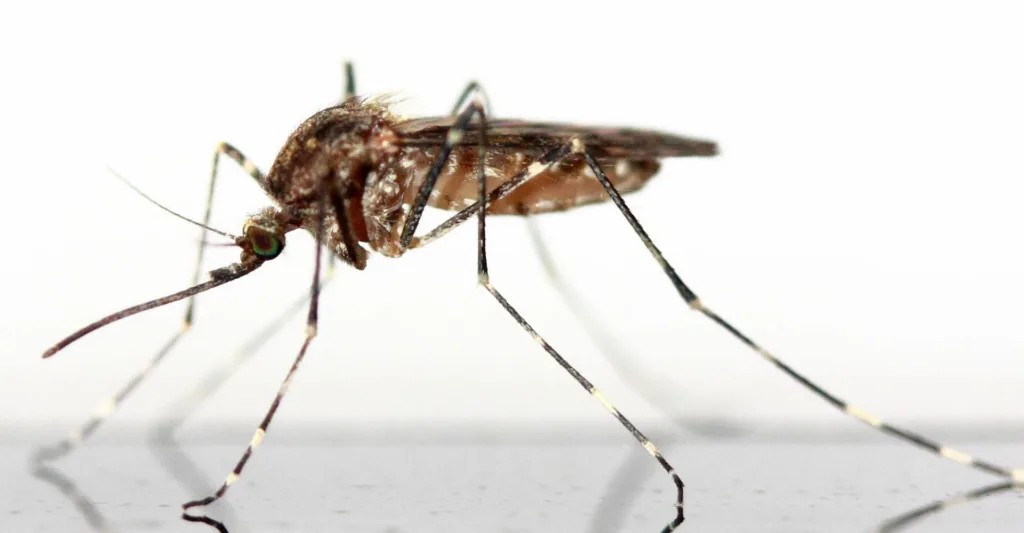
Mosquito Breeding Site: Stagnated Water
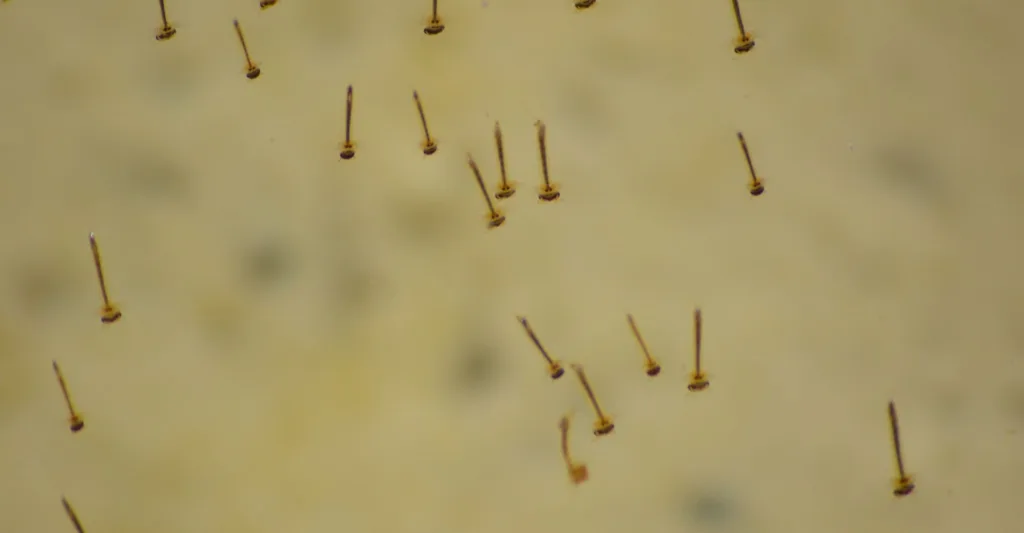
Flooded landscapes create pools of stagnant water, the perfect breeding grounds for mosquito larvae. Mosquitoes can lay eggs in as little as a teaspoon of standing water. In the weeks following a flood, populations can surge, threatening:
- Outdoor dining areas
- Employee breakspaces
- Delivery docks
- Stormwater ponds
- Rooftop units with poor drainage
Minnesota’s health departments also warn about mosquito-borne diseases, such as West Nile Virus, which mosquitoestransmit. (See CDC mosquito guidance for more.)
Mosquito pressure doesn’t just affect comfort; it can impact customer experience and worker safety, especially for businesses with outdoor spaces.
Flooding Makes Buildings Vulnerable
Termites thrive in moist conditions. Water-soaked wood is more susceptible to infestation. After a flood, buildings often have:
- Damp framing
- Saturated support timbers
- Increased humidity in crawl spaces
- Cracks and openings at foundation walls
These conditions can attract subterranean termites, which are already prevalent throughout much of Minnesota.
Left untreated, termite infestations can weaken structural integrity, leading to costly repairs.
Ants & Other Insects Invade Seeking Dry Space
When floodwaters rise, many insects, including ants, spiders, and beetles, migrate into buildings.
Common flood-related insect behaviors include:
- Ant colonies relocating into wall voids
- Spiders following prey indoors
- Stink bugs seek warmth in seasonal transitions
Once inside, insects seek moisture and food. Kitchens, storage rooms, and basements are especially attractive.
Poor Sanitation Can Increase Pest Activity
Flooding can overwhelm commercial waste management systems. Overflowing dumpsters, contaminated recycling areas, and misplaced garbage offer abundant food for:
- Rodents
- Cockroaches
- Flies
- Other scavengers
Poor sanitation attracts pests and makes infestations harder to control. Businesses must proactively secure waste and communicate sanitation protocols with maintenance staff post-flood.
Structural Vulnerabilities After Floods
Flooding doesn’t just encourage pests; it exposes pest entry points in buildings:
- Foundation and Wall Cracks: Water pressure opens microcracks in concrete and masonry, creating pathways for pests.
- Damaged Door Seals: Floodwater and debris can warp thresholds and weatherstrips — reducing seal integrity.
- Roof and Gutter Issues: Heavy spring rains and melting snow can damage gutters and roofing, creating entry points for insects and wildlife.
Commercial buildings with older construction or deferred maintenance are especially at risk.
Zoning & Local Statistics: Why Minneapolis Is Prone to Flood-Related Pest Issues
While flooding can happen anywhere in Minnesota, Metro Minneapolis and the surrounding suburbs face unique challenges:
- Proximity to the Mississippi River
- Many low-lying neighborhoods and industrial zones
- Aging stormwater infrastructure in historic districts
Local authorities, such as Metro Urban Watershed Districts, frequently issue advisories after snowmelt and heavy rain events.
Although comprehensive pest reporting isn’t centralized at a city level, pest control companies in the region consistently see seasonal spikes following flooding.
Health Risks Associated With Flood-Driven Pest Surges
Disease Transmission
- Rodents carry hantavirus, leptospirosis, salmonella, and more.
- Mosquitoes transmit West Nile Virus.
- Flies can spread pathogens from waste to food prep areas.
Food & Business Contamination
Infestations can lead to:
- Food recalls
- Employee illnesses
- Loss of customer trust
For businesses in foodservice, hospitality, healthcare, and education, pest control is not optional; it’s critical to maintaining compliance and public trust.
For more on health risks and prevention, visit the CDC’s pest health impact overview.
What Businesses Should Do After Spring Flooding
If your commercial property near Metro Minneapolis experiences flooding, here’s a practical action plan:
1. Inspect for Water Damage & Entry Points
Hire professionals to evaluate:
- Foundation cracks
- Doors and windows
- Crawlspaces
- Roof penetrations
Structural issues should be repaired before pest proofing.
2. Remove Standing Water
Standing water invites mosquitoes and other pests. Ensure:
- Proper site grading
- Functional drainage systems
- No blocked storm drains
This reduces mosquito breeding habitat and limits moisture.
3. Sanitize & Secure Waste
Clean up overflowed waste areas and, if possible, reposition dumpsters away from building walls.
Tightly seal lids and monitor the storage of organic waste.
4. Engage Commercial Pest Control Experts
After flooding, wait times for pest control services in Minneapolis can increase. The sooner you act, the better.
Commercial pest control plans can include:
- Exterior perimeter treatments
- Rodent baiting stations
- Mosquito larviciding or source reduction
- Termite monitoring stations
- Crawlspace humidity control
Security protocols and monitoring systems may also be implemented to enable ongoing surveillance.
How Professional Pest Management Helps
Flood-related pest challenges require more than routine sprays and traps. Experienced commercial pest management includes:
Integrated Pest Management (IPM)
This holistic approach focuses on:
- Environmental modifications
- Regular inspections
- Targeted treatments
- Documentation and monitoring
IPM reduces long-term risk and chemical usage in sensitive environments.
Customized Commercial Plans
Different industries have different standards:
- Food processing
- Hospitality
- Healthcare
- Retail
- Warehousing
Each has unique risk profiles and compliance requirements.
Cost of Ignoring Pest Issues
Failing to address pests after flooding can lead to:
- Damage to inventory and infrastructure
- Fines and closures due to code violations
- Negative publicity
- Worker absenteeism
Investing in prevention now saves money later.
Preparing Now for Future Spring Seasons
Even outside flood events, Minnesota’s spring season requires preparation:
- Seasonal Pest Assessment: Schedule inspections before snowmelt to identify vulnerabilities.
- Perimeter Sealing: Seal gaps in foundations, doors, and loading docks.
- Drainage Improvements: Work with landscape and building professionals to redirect water away from structures.
These proactive measures reduce the need for reactive pest treatments.
Conclusion
Spring flooding is a natural part of Minnesota’s seasonal cycle, but the pest pressures that follow don’t have to be inevitable. Floodwaters create moisture, disrupt habitats, and expose entry points that pests exploit. For commercial properties in Metro Minneapolis, this means elevated risk of rodent infestations, mosquito outbreaks, insect invasions, and structural vulnerabilities.
The good news? With awareness, proper sanitation, proactive structural maintenance, and professional commercial pest control, businesses can mitigate risks before they become crises.
If your property is in the Twin Cities area and you’re worried about the effects of spring flooding — whether it’s rodent pressure, mosquitoes, termites, or general pest prevention — reach out to our commercial pest specialists today to protect your facility, your employees, and your reputation.