
Winter in Minnesota brings a particular hush to parks, backyards, and neighborhoods across the Twin Cities.
But if you pay attention, you’ll still spot streaks of gray and flashes of rust as squirrels go about their business. That raises a question many homeowners ask every year: Do squirrels hibernate?
The short answer is: most don’t. But like everything in nature, there are important exceptions — and those exceptions matter if you’re worried about critters in your attic, chewing on wiring, or raiding bird feeders.
This blog breaks down what Minnesota’s squirrels actually do in winter, why they sometimes show up in homes, and what Minneapolis-area property owners can do to prevent winter wildlife problems.
Knowing the Difference: tree squirrels vs. ground squirrels
“Squirrel” covers a lot of species, and they don’t all behave the same when the snow flies.
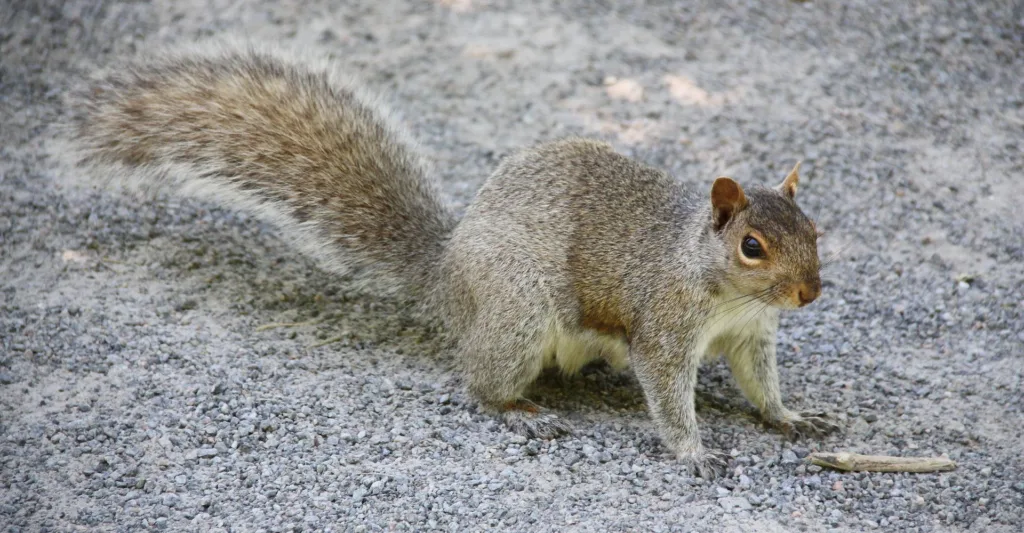
Tree squirrels — the eastern gray squirrel and the red squirrel you commonly see in Minneapolis yards and city parks — do not truly hibernate. Instead, they remain active throughout winter, although they may spend several consecutive days tucked in dens during extreme cold or storms. They rely on fat reserves plus cached food (nuts, seeds) to get through lean times.
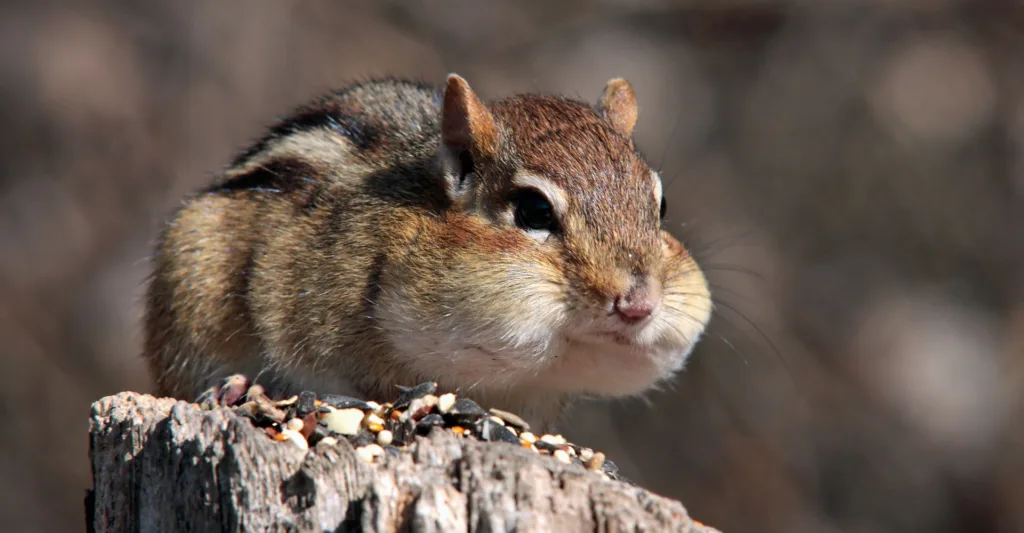
Ground squirrels and chipmunks, on the other hand, are true hibernators. Species like the 13-lined ground squirrel (the little striped critter you’ll find in prairie or campus fields) and some prairie species go into extended torpor for months, lowering their body temperature and metabolic rate to survive winter underground. In Minnesota, ground squirrels and some chipmunk species spend a long, quiet stretch below the frost line.
Why does this distinction matter? Because the animals you see scampering across city yards are typically the non-hibernating, tree-dwelling types — these are the ones most likely to interact with houses, attics, and bird feeders in metro Minneapolis.
What “not hibernating” actually looks like
Saying tree squirrels “don’t hibernate” doesn’t mean they party through January. Instead they:
- Reduce activity on very cold or stormy days, staying inside leaf nests (dreys) or tree cavities for several days at a time.
- Cache food in many small spots across their territory (“scatter hoarding”) and rely on spatial memory and smell to recover caches during warm spells.
- Form communal nests sometimes, especially flying squirrels and some red squirrels, to conserve heat.
Because they’re still active intermittently, tree squirrels will leave their dens to forage on mild winter days. By that, you’ll still see them in Minneapolis neighborhoods when the sun comes out after a cold snap.
Why you see more squirrel activity inside homes in winter
There are a few reasons squirrels become more visible (and more troublesome) for homeowners during colder months:
- Bird feeders and easy calories. Feeders are magnets in winter. When natural food is buried under ice and snow, homeowners’ feeders become a reliable source of calories.
- Attics and eaves offer warm shelter. Tree squirrels will investigate attics, soffits, and rooflines for nests or temporary refuges, especially if there are entry points or overgrown trees near the roof.
- Stored food caches are limited. Not all caches are recovered. Squirrels may increase foraging effort near homes where human food or birdseed is available.
- Warm winters and urban heat islands. Milder winters (or local microclimates in cities) can change activity levels and push animals closer to buildings.
If you live in the metro Minneapolis area, overhanging branches, loose roofline trim, or easy gaps around vent pipes are invitations for a cold-season squirrel to explore.
Signs you have winter squirrel activity in your home
Watch for these winter-time warning signs:
- Scratching or thumping sounds in the attic or walls (often near dawn/dusk).
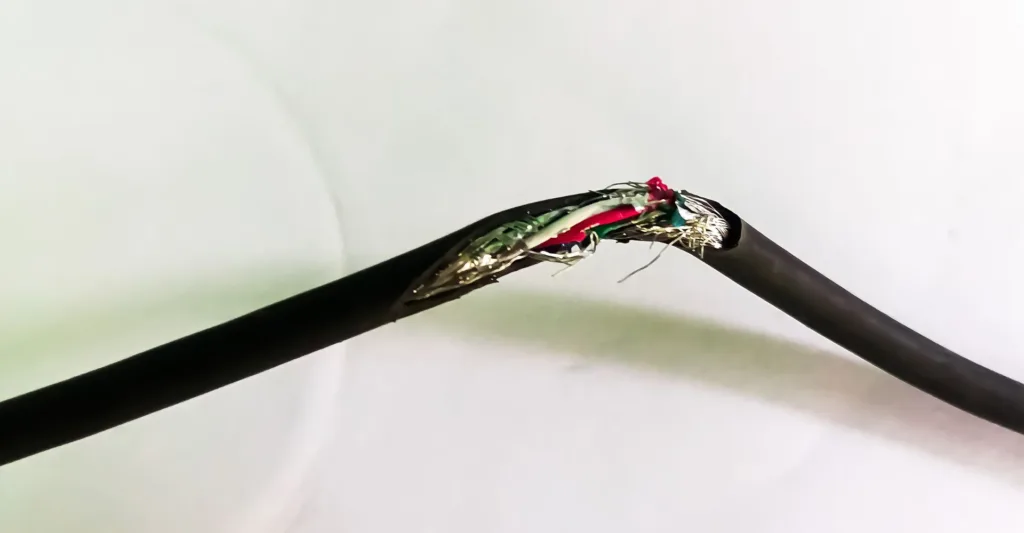
- Chewed insulation, gnawed wood, or gnawed wires.
- Small droppings in crawlspaces or attics.
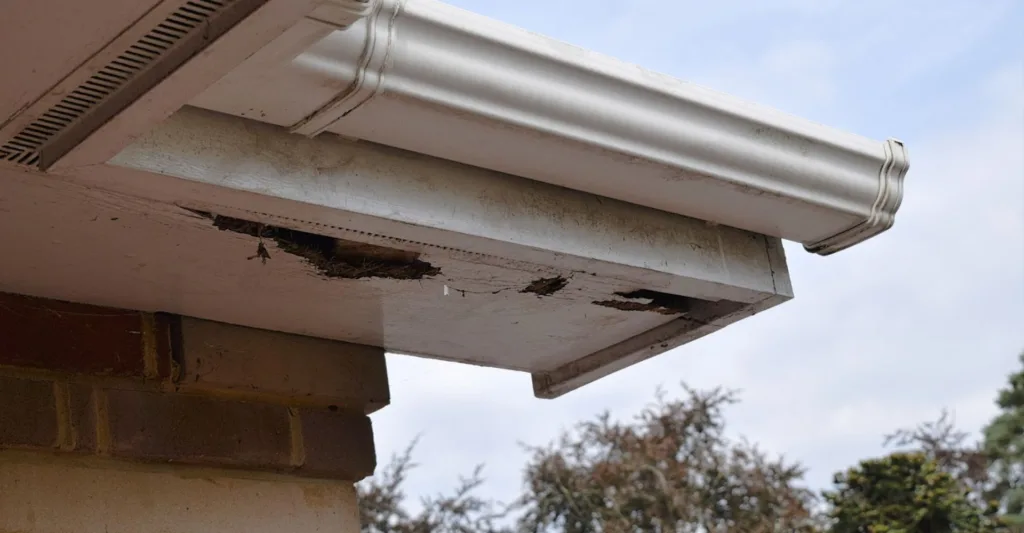
- Visible entry holes in shingles, soffits, or fascia.
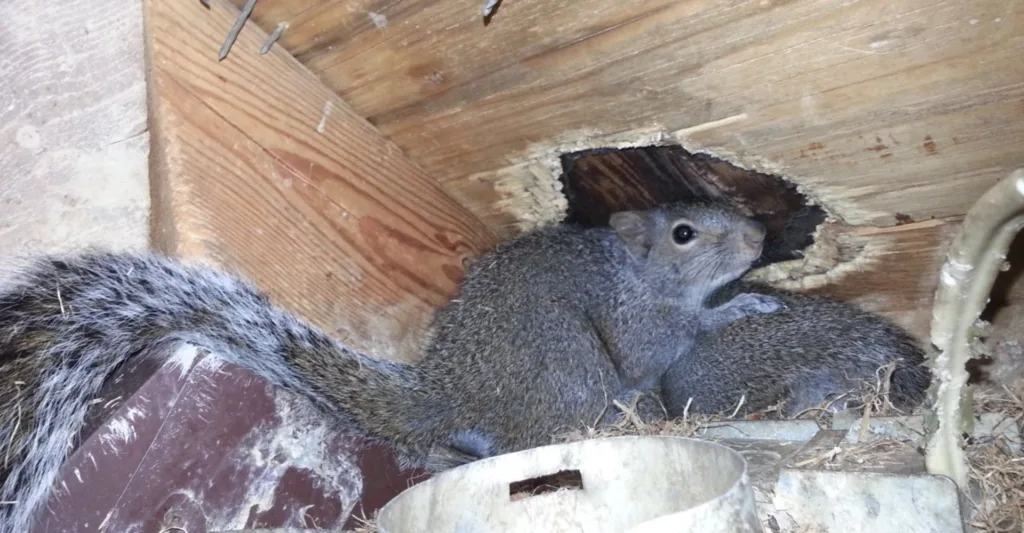
- Nests are built from shredded insulation, leaves, and twigs in attics or chimney tops.
Suppose you find nesting material in your attic during winter. In that case, approach removal carefully — disturbing a denning squirrel (or her pups if it’s early spring) can cause animals to disperse into living spaces.
Safe, legal, and humane winter solutions for Minneapolis homeowners
If squirrels are causing problems, here are practical steps you can take now:
- Block access points (after confirming no active young are present). Seal holes in soffits, rooflines, and vents with durable materials. Trees and limbs should be trimmed at least 6–8 feet from the roof to reduce access.
- Manage food sources. Put away pet food at night, switch to squirrel-resistant bird feeders, and keep compost bins secure.
- Use exclusion over lethal control. Because tree squirrels are excellent climbers and will continue trying to find ways back inside, exclusion (one-way doors, sealing) is often the most effective approach.
- Schedule attic cleanup and repairs in spring if den removal is necessary. If an animal has nested in insulation, cleanup and sanitization might be needed to remove droppings, odors, and disinfect any affected surfaces.
- Call professionals for persistent infestations. Wildlife technicians have experience in humane trapping, exclusion, and repair, specific to Minnesota’s regulations and seasons.
For Minneapolis-area property owners, Abra Kadabra offers wildlife control, attic cleanup, and exclusion services and reinsulating tailored to local species and building types.
See our Wildlife Control, Attic & Insulation Cleanup, and Scheduling pages for local options and scheduling. (If you’re managing a commercial property, check our Commercial Pest Control solutions for winterproofing large buildings.)
Timing matters: nests, young, and local regulations
Sealing entry points without checking for young can trap dependent kits or force a mother to find dangerous house entry routes. In Minnesota there is a wildlife species reproducing during almost every time of year, professional wildlife technicians will check for dependent animals and follow humane, legal protocols before exclusion. If you’re unsure whether animals are nesting, contact a licensed wildlife control provider rather than attempting permanent exclusion yourself.
Common Minneapolis winter squirrel scenarios and fixes
- Squirrels in the attic: Most often, entry is via damaged soffits, gaps where wiring penetrates the roof, or missing shingles. The fix: inspect the roofline, remove nesting material when safe, install one-way exclusion if needed, then permanently seal openings.
- Chewing on vents or soffits: Squirrels gnaw to reshape materials and open cavities. Replace damaged vents with metal screens and clamp down on loose trim.
- Bird feeder chaos: Move feeders away from trees/roof overhangs and choose feeders with cages or baffled perches. Clean up spilled seed which can attract rodents and other wildlife.
- Garden or planter raids: Use deterrents like motion-activated sprinklers, physical barriers, or planting less attractive species near building foundations.
If you want a free quote, our Contact page has phone and booking info for Minneapolis and the surrounding suburbs.
A note on ground squirrels and rare hibernators in Minnesota
While tree squirrels remain active, Minnesota does host hibernating squirrel relatives. Round squirrels (and chipmunks) spend months underground in torpor. These species are more common in rural green spaces (for example, 13-lined ground squirrels), not inside urban attics. Research from the University of Minnesota and other institutions has long studied ground-squirrel hibernation physiology because it is extreme and fascinating, including dramatic body-temperature drops and metabolic changes.
When to call a pro in the Twin Cities
Call a licensed wildlife control or pest pro if you notice:
- Attic noises that sound like gnawing or running.
- Repeated roof or soffit damage.
- Chewed electrical wiring or insulation damage.
- Nesting material deep inside ductwork or dryer vents.
- You’re unsure whether the animals are protected or have young present.
Professionals know local wildlife patterns in Minneapolis–Saint Paul and can implement humane, code-compliant exclusion and repairs. Abra Kadabra provides inspections, exclusion, attic cleanup, and rodent-proofing services across the metro — see our Services overview and Get a Quote to schedule a local inspection.
Wrapping it up
- Most tree squirrels do not hibernate. They stay intermittently active all winter, relying on caches and dens.
- Ground squirrels and some chipmunks do hibernate, but these are typically not attic invaders.
- Winter visibility doesn’t always mean a problem, but signs like attic noises, damage, or nests in vents should be addressed promptly.
- Prevention — sealing, tree trimming, and managing food sources — is your best defense in the Twin Cities climate.
- When in doubt, get a local pro who understands local species, building types, and humane removal protocols.
If you’d like a tailored checklist for squirrel-proofing a Minneapolis home (roofline checklist, bird-feeder tips, and attic inspection points), tell us the property type (single-family, duplex, or commercial) and we’ll prepare a customized checklist you can use or hand to a contractor.
Sources
- Cornell University — Controlling Squirrel Problems in Buildings (practical overview on tree-squirrel behavior and exclusion). eCommons
- Minnesota DNR — Gray squirrel and Flying squirrel species pages. MN DNR+1
- University of Minnesota Arboretum — notes on ground squirrel species and hibernation patterns in Minnesota. arb.umn.edu
National Wildlife Federation / Discover Magazine — general articles on hibernation and the biology of ground squirrels. nwf.org+1