

Understanding why pests become active sooner, which species to expect in the Twin Cities, and how homeowners can stay ahead of infestations.
Spring in Minnesota is more than just snow turning to mud and robins returning to backyard birdbaths. For many pests, particularly insects and rodents, spring signals the end of dormancy and the beginning of a season of feeding, breeding, and seeking shelter. An early spring, with warmer temperatures and earlier snowmelt, means many pest species begin moving sooner than usual, creating unique challenges for homeowners and businesses in the Metro Minneapolis area.
In this guide, we’ll explore why pests become more active in early spring, which pests Minnesotans are likely to encounter, and what you can do to prevent infestations before they get out of hand.
How an Early Spring Affects Pest Activity
1. Temperature
Many pests are cold-blooded. This means their body temperature and activity level are determined by the environment. In Minnesota, pests such as ants, ticks, and mosquitoes enter a dormant or low-activity state during winter. Once daytime temperatures regularly exceed ~45°F and nights remain relatively mild, biological processes like digestion, movement, and reproduction accelerate.
An early warming trend wakes these organisms earlier than normal, giving them a longer active season and more opportunities to spread. This can lead to earlier pest sightings and increased pressure on homes and outdoor spaces.
2. Moisture
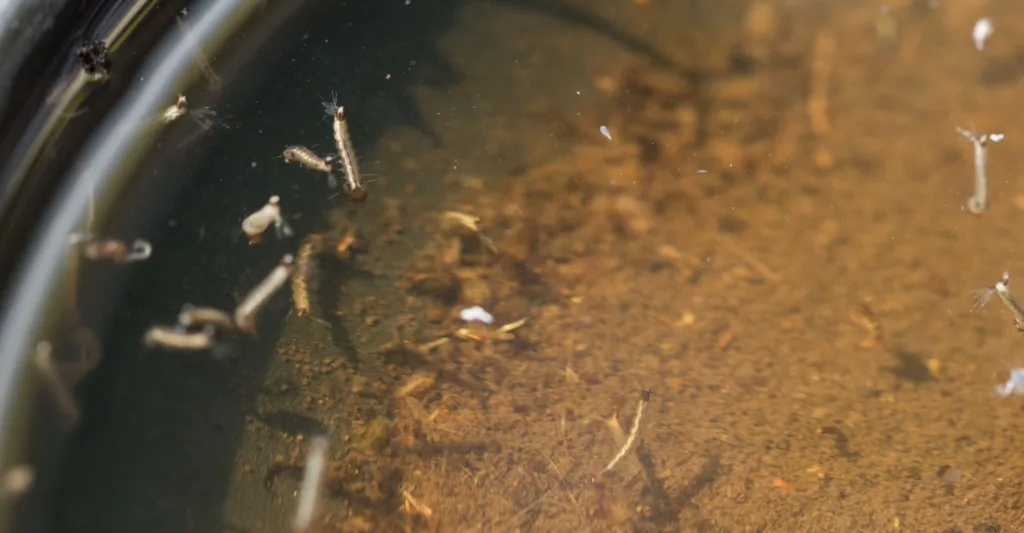
Minnesota winters often dump significant snow, and when spring arrives, that snow melts into standing water in yards, gutters, and low-lying areas. Moisture is a key resource for many pests, especially mosquitoes and ants, providing breeding grounds and attracting insects seeking water.
Wet conditions can also drive pests such as centipedes, springtails, earwigs, and sowbugs into homes as they seek drier refuges.
3. Longer Daylight Hours
Increasing daylight not only warms the ground and surrounding air but also signals to pests that the growing season has begun. Many insects use the length of day as a cue for emergence and reproductive cycles. As a result, an early spring with longer daylight hours can hasten pest activity.


Common Early Spring Pests in the Twin Cities
Minnesota’s environment, with its mix of urban, suburban, and natural wooded areas, supports a wide range of pests that become active as temperatures rise.
1. Ants
Ants are often the first insect most Minnesota homeowners see in spring. Species such as carpenter ants and pavement ants emerge from underground nests to forage. Carpenter ants, in particular, pose a risk within structures due to their wood-tunneling behavior.
Prevention Tips
- Seal cracks around doors, windows, and foundations.
- Keep food stored in airtight containers.
- Address moisture and leaks promptly.
You can learn more about handling ant problems and other spring pests in our article on Spring in Minnesota: What It Means for Pest Control.
2. Mosquitoes
Thanks to Minnesota’s thousands of lakes and standing water left by snowmelt, mosquitoes become active as soon as water collects in puddles and yards. Early warm days allow them to breed rapidly, and biting pests can be a nuisance (and a health concern) into late spring and summer.
These insects can also transmit diseases such as West Nile virus, a concern highlighted by the Minnesota Department of Health, making prevention essential.
Action Steps
- Drain standing water from containers and low spots.
- Maintain clean gutters and birdbaths.
- Consider professional mosquito treatments to reduce populations.
3. Ticks
Ticks, especially black-legged ticks (deer ticks), become active in early spring as temperatures climb above freezing and remain above ~40°F. Ticks are a major concern in wooded and tallgrass areas around Minneapolis and St. Paul, and they can transmit diseases such as Lyme disease and anaplasmosis.
Prevention Tips
- Wear long pants and insect repellent when in wooded areas.
- Keep grass trimmed and remove leaf litter.
- Professional outdoor pest control strategies reduce tick habitat around yards.
4. Rodents (Mice & Rats)
After winter, rodents such as mice and rats often remain active in or around homes. They may have sought shelter in sheds, garages, or basements over the winter, and early spring food attraction can lead them to venture further indoors in search of leftovers and nesting spots.
Signs of a Rodent Problem
- Droppings along walls or in cabinets
- Gnaw marks on wiring or stored items
- Noises in the walls or attic at night
Addressing rodent entry typically involves sealing small gaps and maintaining clean storage areas. A professional pest inspection will identify vulnerable entry points before infestations become costly.
5. Spiders
While spiders aren’t as harmful as ticks or mosquitoes, they become more visible in spring as they hunt for insects that have also awakened. Common species in Minnesota include common house spiders and wolf spiders.
Spider sightings around windows, basements, or crawl spaces often indicate other pests are present, which may indicate it’s time for a comprehensive pest inspection.
6. Boxelder Bugs and Other “Structure” Pests
Species like boxelder bugs overwinter in wall voids and attics and re-emerge as temperatures rise, seeking sunlight and warmth. These insects tend to swarm the sunny sides of buildings in early spring before dispersing.
Though mostly nuisance pests, boxelder bugs can quickly accumulate on homes, siding, and decks.
7. Wasps and Hornets
In late spring, queens begin building new nests, often in eaves, shrubs, or under decks. Disturbing these nests can lead to aggressive behavior from adult wasps or hornets, especially later in the summer.
Prevention Strategy
Early inspection of eaves and overhangs can help professionals remove small nests before they become large and dangerous.
Invasive Pests and Minnesota’s Landscape
Minnesota also faces pressure from invasive species that may become more noticeable as spring progresses. The Minnesota Department of Agriculture (MDA) monitors threats such as the emerald ash borer, a wood-boring beetle that threatens ash trees statewide, as well as other landscape pests.
Emerald ash borer infestations typically become more active from late spring through summer, but early-season warmth can accelerate development. While not home invaders, these pests affect landscapes and properties, especially in the Twin Cities’ urban and suburban canopies.
How to Prepare Your Property for Spring Pests
An early spring means pests could get a head start on your home if you aren’t prepared. Here’s a practical action plan:
1. Conduct a Property Inspection
Walk around your home or business property and look for:
- Gaps in foundation walls
- Cracks around doors and windows
- Damaged screens or vents
- Areas of standing water
Sealing these vulnerable points prevents many pests from entering.
2. Maintain Exterior Spaces
Spring cleanup isn’t just for aesthetics. Clearing old leaves, debris, or wood piles reduces moist hiding places that pests seek. Studies show that moisture-loving pests such as centipedes, springtails, and sowbugs proliferate around damp debris.
Trim bushes and keep lawn edges tidy to reduce tick habitat. For mosquitoes, eliminate containers or tarps that collect water.
3. Monitor Interior Conditions
Inside your home, check basements, crawl spaces, and attics for dampness — these areas attract spiders, ants, and rodents.
4. Know When to Call the Pros
If spring pest sightings increase quickly on your property, professional pest control — such as that offered by Abra Kadabra Environmental Services — can provide targeted solutions. Visit our Residential Pest Control and Commercial Pest Control service pages for tailored seasonal options.
Special Considerations for Twin Cities Residents
Living in the Metro Minneapolis–St. The Paul area offers beautiful parks, lakes, and wooded green spaces — but it also means plenty of edge habitat where pests thrive in spring. Here’s what Twin Cities homeowners should be especially vigilant about:
- Standing Water & Mosquito Breeding: Properties near wetlands, lakes, or low-lying areas may experience heavier mosquito populations earlier in the season.
- Tick Hotspots: Ticks are frequently found in wooded suburbs like Maplewood, Shoreview, and White Bear Lake — but they are by no means limited to rural edges. Keeping lawns short and using professional perimeter treatments can reduce tick encounters.
- Urban Rodent Pressure: Rodents especially seek shelter in garages, basements, and crawl spaces of older homes near urban centers. Spring is a key time to seal entry points and remove attractants.
Smart Pest Prevention Tips Backed by Minnesota Health Experts
According to the Minnesota Department of Health, reducing pest exposure isn’t just about spraying chemicals; it starts with prevention and habitat modification.
Here’s what their guidance emphasizes:
- Seal entry points — even small openings as tiny as a dime can allow pests inside.
- Reduce moisture and food sources — pests need both to survive.
- Use non-chemical methods first — physical barriers, traps, and sanitation.
- If pesticides are used, follow label instructions and consider hiring a licensed applicator.
In Conclusion
For Minnesotans in the Metro Minneapolis region, an early spring isn’t just a sign of warming weather; it’s a sign that pests will begin their annual cycle sooner, too. From nuisance ants and spiders to medically significant ticks and mosquitoes, understanding when pests emerge and how to prevent them can save time, money, and frustration.
Whether you’re a homeowner prepping your yard or a business owner protecting your facility, early pest prevention is key to enjoying spring without uninvited guests.
For expert guidance and personalized strategies, explore Abra Kadabra’s professional services:
Don’t let pests take advantage of an early Minnesota spring — be proactive, stay informed, and reach out to professionals if pest pressure becomes too much to handle.