
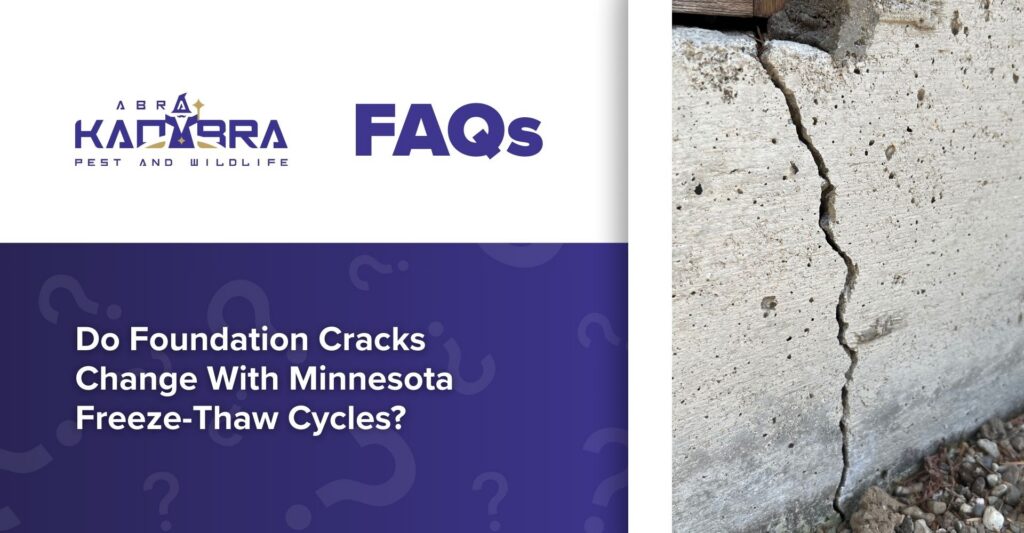
Why Twin Cities Homeowners Must Understand Seasonal Structural Stress
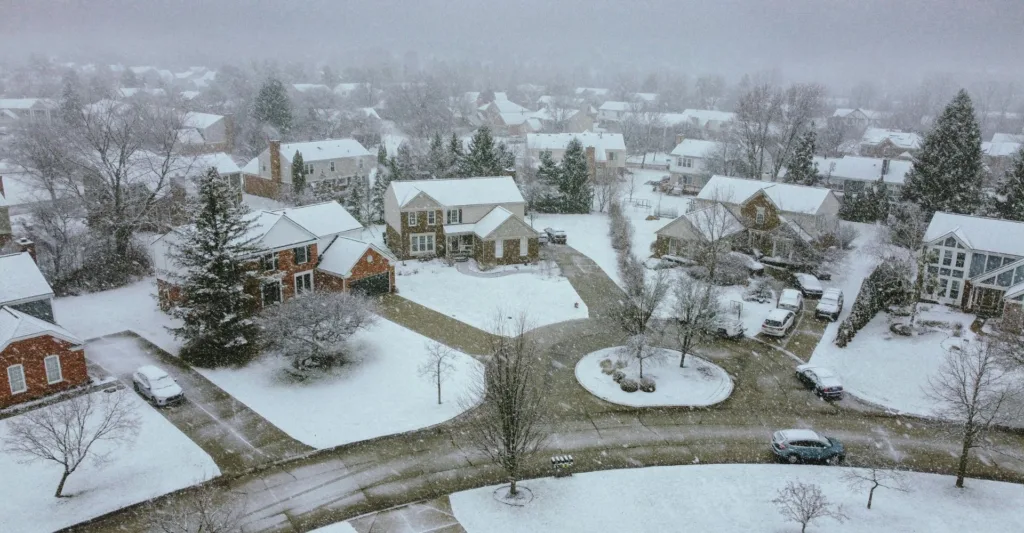
Minnesota homeowners are no strangers to the dramatic swing in temperatures each year.
From brutally cold, below-zero winters to warm spring days.
In the Minneapolis/ Twin Cities area, repeated freezing and thawing of soil and building materials significantly affects foundations and concrete structures. Understanding how these freeze-thaw cycles create, enlarge, and evolve foundation cracks is essential for prevention, early detection, and proper repair.
In this blog, we’ll dive into what causes foundation cracking, why Minnesota’s winter weather makes it worse, common signs to watch for, and what you can do to protect your home.
What Is a Freeze-Thaw Cycle?
A freeze-thaw cycle happens when the temperature repeatedly falls below and then rises above 32°F (0°C). When water inside soil or building materials freezes, it expands by about 9%. When it thaws, it contracts again. Over multiple cycles, this expansion and contraction create significant stress in soils and structures, leading to cracking, shifting, and long-term damage.
This process is especially relevant in Minnesota because of:
- Long, snowy winters followed by fluctuating temperatures
- Abundant ground moisture from snowmelt in spring
- Clay-rich soils that retain water around foundations
Repeated expansion and contraction of frozen soil beneath and around your home exerts pressure on foundation walls, a primary cause of basement or crawl space cracking.
Why Minnesota’s Climate Is Particularly Challenging
Minnesota’s climate — especially in the Metro Minneapolis/St. Paul region is characterized by:
- Multiple freeze-thaw cycles each winter
- Snow cover over frozen ground that melts and refreezes repeatedly
- Moist soils around foundation walls that soak up water when thawing
Reports from Minnesota transportation and climate research show that freeze-thaw events remain common across the state and continue to influence soils and pavements, even as climate patterns shift.
Unlike southern climates, where the ground freezes less frequently, Minnesota’s long periods of alternating freeze and thaw keep soils active beneath the frost line, often extending 3.5 to 5 feet deep — right where many foundations sit.
How Freeze-Thaw Cycles Create and Expand Foundation Cracks
1. Water Infiltration into Soil
Before freeze-thaw cycles can affect your foundation, moisture must be present in the soil or porous materials adjacent to it. Water can come from:
- Snowmelt pooling near foundation walls
- Poor drainage or grading toward the house
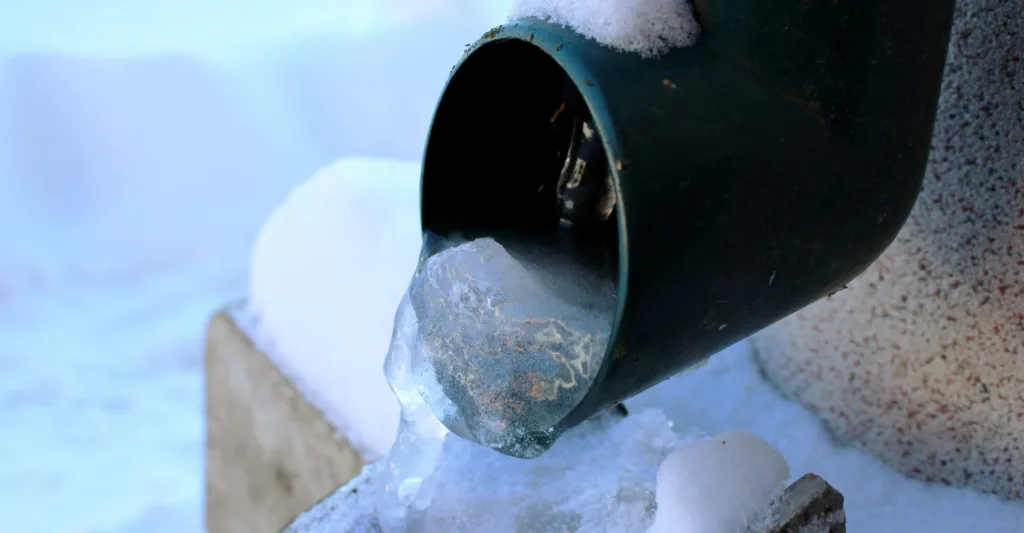
- Leaky gutters and downspouts
Once water is present, freezing temperatures convert that moisture into ice, which expands and exerts outward pressure on the soil and anything it touches.
2. Frost Heave — Soil Expands Upward
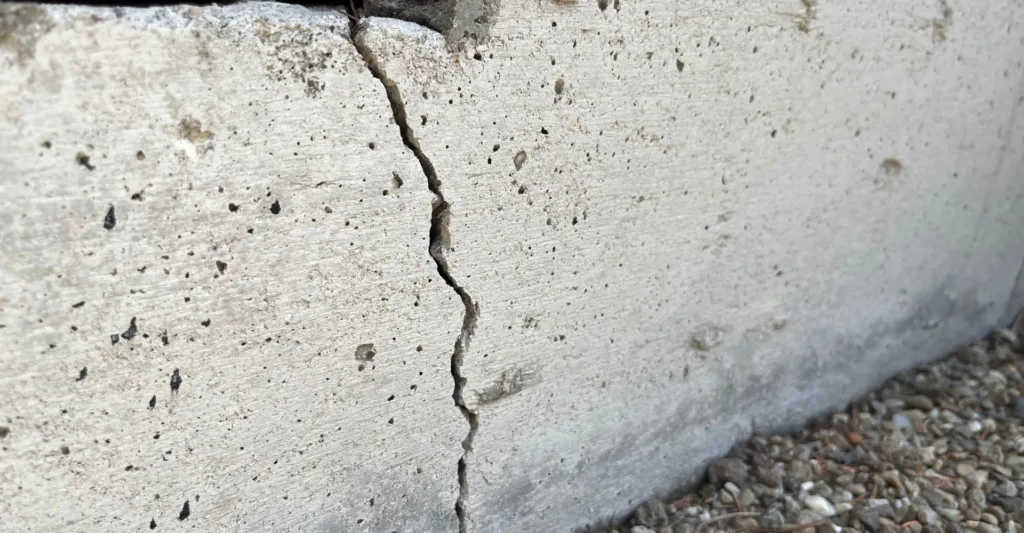
Frost heaving is when ice lenses form in soil and push the ground upward. This can displace foundation footings and walls, causing shifts and cracks. Frost heaves against the foundation can create vertical and diagonal stress cracks.
3. Soil Contraction and Voids
When frozen soil thaws, it contracts, which can leave voids under your foundation. The soil no longer supports the foundation evenly, causing settlement and movement that often manifest as cracks in the concrete.
4. Expansion in Concrete Pores
Concrete isn’t solid like a rock; it has tiny pores that readily absorb moisture. When this moisture freezes and expands, it can:
- Worsen existing cracks
- Lead to new cracks
- Cause surface spalling (top layers flaking off)
- Create structural weakness
Once a small micro-crack begins, each new freeze-thaw cycle widens it and allows more water to enter, accelerating deterioration.
Common Types of Foundation Cracks Caused by Freeze-Thaw
Cracks can form in different patterns, and understanding which ones stem from freeze-thaw activity helps determine severity:
Vertical Cracks
Often linked to normal settling or seasonal temperature fluctuations. These may be less serious but are still worth monitoring, especially if they persist or worsen over time.
Horizontal Cracks
These typically indicate soil pressure against the foundation — a classic sign of freeze-thaw stress. Horizontal cracks deserve immediate attention.
Stair-Step Cracks
Common in block or brick foundations, stair-step patterns can signal differential soil movement beneath the structure.
Hairline Cracks
Small cracks that might seem superficial but can serve as entry points for water, making freeze-thaw damage worse over time.
Why Foundation Cracks Worsen in Spring
After a long Minnesota winter, spring brings a new challenge: snowmelt and rain saturate the soil as temperatures rise. When foundations already contain micro-cracks from winter freeze-thaw pressure, this moisture penetrates deeper and exacerbates damage.
Key issues that emerge in spring include:
- Basement water seepage
- Mold and mildew growth
- Uneven floors
- Sticking doors and windows
Homeowners often first notice these symptoms after the last frost and before summer.
How to Recognize Freeze-Thaw Foundation Damage
Here are some signs Minnesota homeowners should watch for:
Visible Cracks in Basement Walls or Floors
Check both sides of the foundation walls. Hairline cracks aren’t normal — especially if they appear or widen from year to year.
Water or Moisture in the Basement
Even slight dampness after snowmelt can indicate water entering through foundation cracks.
Sticking Doors or Windows
This symptom often points to foundation movement or settling during freeze-thaw events.
Uneven or Sloping Floors
If the foundation shifts, floors may become visibly uneven over time.
Cracks in Exterior Concrete Surfaces
Garage slabs, sidewalks, and patios adjacent to the foundation can show cracks that mirror pressure on the home’s structure. These cracks may serve as early warning signs.
What Minnesota Homeowners Should Do
Improve Drainage & Grading
Make sure your yard slopes away from the foundation by at least 2% for 10 feet, where possible. This helps minimize water pooling around your foundation.
Keep Gutters Clean & Downspouts Extended
Ensure downspouts discharge water at least 3–6 feet from the house. Proper water diversion reduces saturation around foundation walls.
Seal Small Cracks Early
Small cracks should be sealed to prevent water intrusion and freeze-thaw expansion.
Consider Professional Inspection & Repair
If you’re seeing larger cracks, water intrusion, or signs of foundation movement, professional evaluation is recommended. Repair techniques such as epoxy injection can stabilize cracks before they worsen.
How Abrakadabra Environmental Can Help
Even though Abra Kadabra Environmental Services specializes in pest control and wildlife removal across the Twin Cities Metro Area, including Minneapolis, St. Paul, Minnetonka, and surrounding suburbs, there’s an overlap between structural maintenance and pest prevention. Water infiltration and foundation cracks often create openings that pests exploit, especially rodents and insects seeking warmth and shelter.
Here’s how Abra Kadabra’s services connect to foundation health and home protection:
Home Services That Complement Structural Health
Visit our Home Services page to explore inspections that improve your home’s year-round performance, including moisture and weather-related issues that affect foundations.
Wildlife & Pest Exclusion
Foundation cracks and gaps aren’t just structural problems; they’re pest entry points. Our animal-proofing and exclusion services seal vulnerable entry points to prevent pest intrusion and water intrusion, helping protect your home’s integrity.
Freeze-Thaw Damage vs. Pest Risk: A Twin Cities Double Threat
In Metro Minneapolis, freeze-thaw cycles don’t just damage concrete. They indirectly increase pest problems:
- Cracks in the foundation and exterior walls provide entry points for rodents and small mammals.
- Moisture intrusion invites insects such as ants and termites.
- Structural gaps allow wildlife to nest in wall voids and attics.
By understanding and addressing freeze-thaw cracks, you’re also taking action against one of the most common causes of pest infiltration in winter and spring.
Conclusion: Preventive Maintenance Works
Minnesota’s freeze-thaw cycles are a natural and ongoing part of our climate, but that doesn’t mean homeowners should ignore them. From soil pressure and frost heave to the gradual widening of foundation cracks, these repeated temperature swings directly affect the structural health of homes in the Metro Minneapolis/Twin Cities area.
Key takeaways:
- Water expansion during freezing causes pressure on foundations.
- Freeze-thaw cycles worsen existing cracks and create conditions conducive to moisture and pest intrusion.
- Early recognition and proactive maintenance reduce long-term damage.
- Professional repair and home services (like those offered by Abra Kadabra Environmental Services) can protect both your foundation and your peace of mind.
Whether you’re preparing your home for another Minnesota winter or assessing springtime foundation issues, understanding freeze-thaw dynamics is essential to protecting your investment and maintaining a safe, comfortable home.
Contact us today to schedule a pest inspection and start strengthening your building against infestations before pests take hold.
Call today
To request a consultation, call Abra Kadabra at (763) 265-7356. We’re happy to discuss your concerns.