

When Minnesota winters arrive, temperatures drop well below freezing, winds whip off the lakes, and snow accumulates for months. These extreme conditions not only affect our daily routines but also create powerful survival incentives for wildlife.
Among the most opportunistic critters adapting to winter are rodents like mice and rats. And many Metro Minneapolis homeowners are asking a question that sounds simple, but has important implications for pest control:
Do heated garages attract more rodents in cold climates?
Yes, they can. But it’s not just the heat alone that attracts rodents. It’s a combination of warmth, shelter, access, and food sources that make garages (heated or not) inviting to these persistent pests, especially in climates like Minnesota’s. Let’s unpack why and what homeowners in the Twin Cities can do about it.
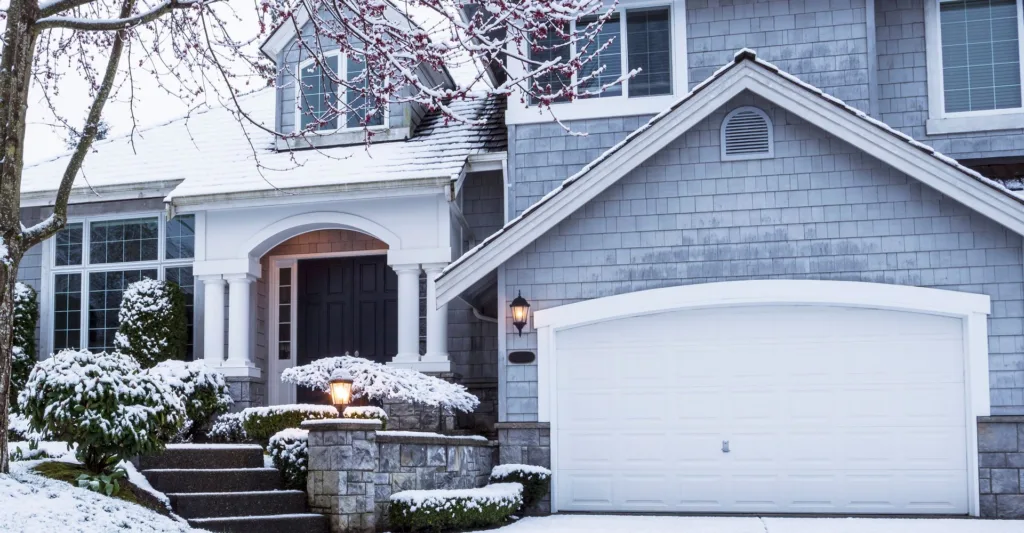
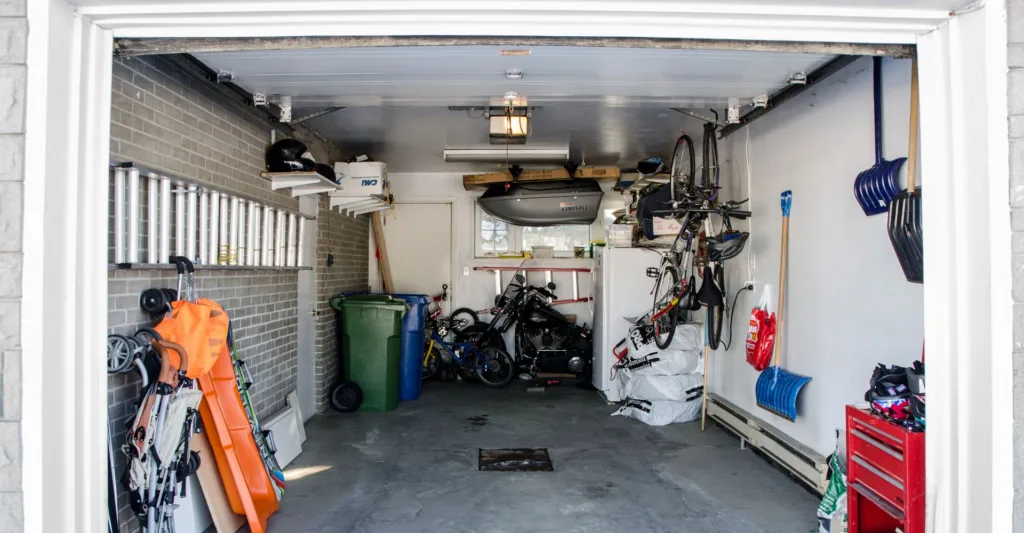
1. Why Minnesota Winters Matter for Rodent Behavior
Rodents like mice and rats are highly adaptable, but they don’t hibernate. As temperatures fall, their instinctive drive for survival pushes them to seek warm shelter, food, and protection from predators.
According to wildlife behavior research, dropping outdoor temperatures increase rodents’ urgency to find insulated spaces that protect against the cold and provide access to food sources. Their normal winter habitats, like underground burrows, dead logs, and open fields, become inhospitable when snow and ice cover them, so they shift their activity to human structures and properties.
In Minnesota, that pressure is especially strong. Long, bitter winters drive rodents closer to heated buildings, including homes, garages, and commercial spaces, all of which offer stable temperatures and hidden refuge.
2. Are Heated Garages Really More Attractive Than Unheated Ones?
Many homeowners assume that heated garages are simply “warmer” than unheated ones and therefore more attractive to rodents. In truth, heat is only one part of the equation.
What Rodents Really Want
Rodents are drawn to areas that offer:
- Warmth — to conserve energy and survive extreme cold.
- Shelter — quiet, dark spaces where predators can’t reach them.
- Food — even small, overlooked sources like pet food, birdseed, or crumbs.
- Protected pathways — small gaps to enter and move without detection.
A heated garage provides warmth, yes — but that warmth is only valuable if there’s access and additional incentives. If a heated garage also offers gaps under doors, easy food sources, cluttered hiding spots, or a connection to the home, rodents are much more likely to take advantage.
In spring, this pattern becomes even more noticeable. Rodents that survived the harshest months often increase activity as temperatures rise, and spaces like garages can become hubs for breeding and nesting.
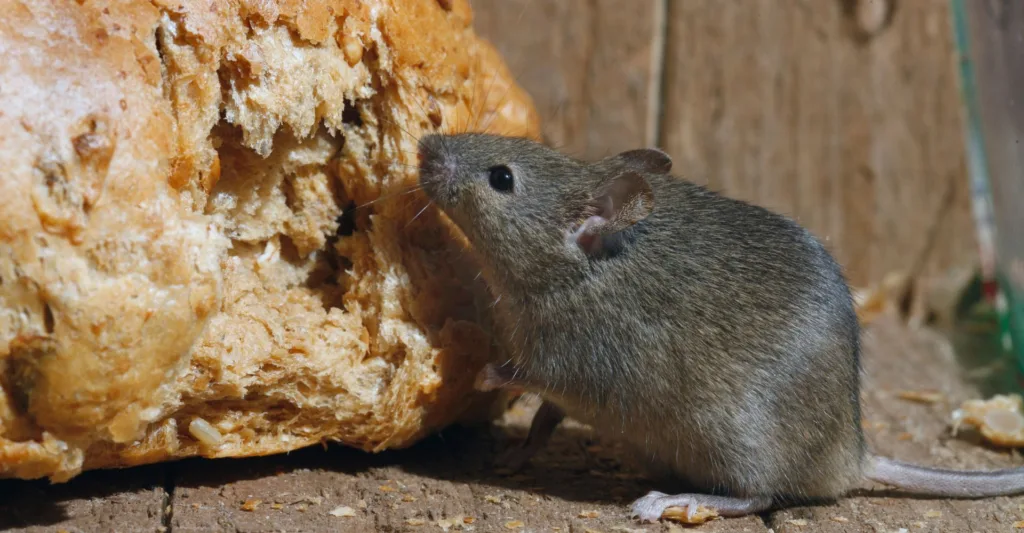
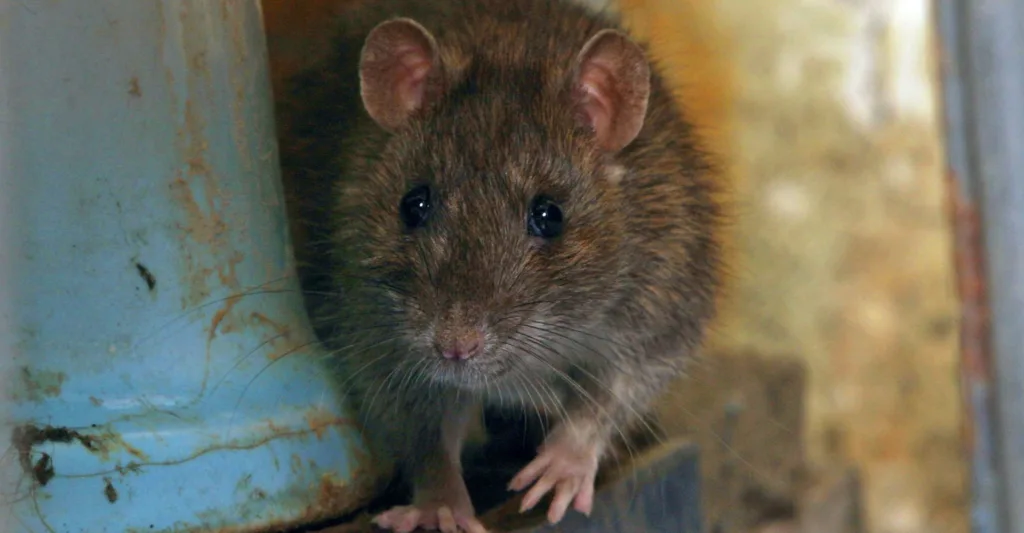
3. How Rodents Find Their Way Into Garages
The key reason why rodents enter garages, whether heated or unheated, is access points.
Even tiny gaps around garage doors, foundation cracks, or unsealed vents provide easy routes for mice or rats. In fact:
- A mouse can squeeze through a hole the size of a dime.
- A rat can penetrate a gap no bigger than a quarter.
Rodents don’t need wide-open doors to get inside. Warm air escaping from heated structures often acts as a beacon, drawing rodents toward those structures, where they can exploit even the smallest perimeter weakness.
Garages in the Metro Minneapolis area, especially older homes or detached garages, often have these vulnerabilities:
- Worn or missing weatherstripping under garage doors.
- Gaps around utility penetrations (like electrical lines or irrigation piping).
- Cracks in foundations due to freeze-thaw cycles.
- Vents or attic access points are lacking sturdy screening.
These openings serve as an all-you-can-eat buffet for rodents during winter migration.
4. Why Even Clean Garages Can Be Targets
Some homeowners believe that a clean garage, with no food stored, can’t attract rodents. However, rodents are resourceful and persistent. While food sources certainly attract them, warmth and shelter alone are enough to motivate them to enter.
Rodents will nest in garages simply because of the environment:
- Offers consistent temperatures compared to sub-zero outdoor conditions.
- Provides nesting materials — cardboard boxes, paper, insulation, and fabrics.
- Allows quiet nesting in areas with minimal human activity.
Once inside, they can readily expand into vehicles, wall voids, and other connected spaces.
According to the National Pest Management Association (NPMA), rodents often make vehicles and garages winter homes because engines, stored items, and adjacent walls provide warmth and nesting opportunities.
5. The Hidden Dangers of Rodents in Heated Garages
Rodent presence can threaten your property and health. Here’s why:
A. Structural and Fire Risks
Rodents chew constantly to keep their teeth trimmed. Unfortunately, they often target:
- Vehicle wiring and insulation.
- Electrical cables in garages and utility rooms.
This chewing can cause short circuits, wiring failures, and fire hazards.
B. Disease and Contamination
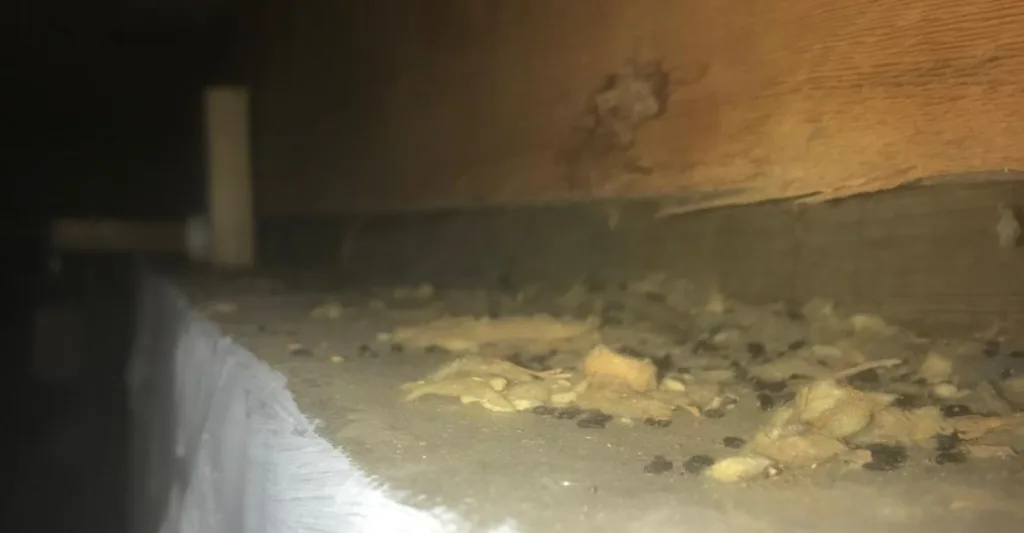
Rodent droppings and urine can contaminate surfaces, tools, and stored items. Rodents are known carriers of dangerous pathogens, including those that can lead to disease transmission in humans and pets.
C. Rapid Population Growth
Rodents reproduce quickly. A pair of mice can produce dozens of offspring in a few months, meaning what starts as a “few rodents in the garage” can quickly become a full-blown infestation that moves into the home.

6. How to Prevent Rodents in Minnesota Garages
Whether your garage is heated or not, you can dramatically reduce rodent attraction by taking proactive steps. Here’s how:
A. Seal Entry Points
One of the most effective defenses is to eliminate access:
- Install or replace weatherstripping under garage doors.
- Seal gaps around foundation cracks, utility penetrations, and vents with steel wool or hardware cloth.
- Use rodent-proof mesh on all vents and openings.
Learn more about common entry points and sealing strategies in our guide: Rodents Gathering Inside? How Mice & Rats Prep for Winter.
B. Reduce Attractants
Even small food sources can make garages irresistible to rodents:
- Store pet food and birdseed in airtight, rodent-proof containers.
- Avoid storing human food, open bags of seeds, or crumb-producing items in the garage.
- Keep trash cans securely closed and away from exterior garage walls.
This aligns with recommendations from national pest control authorities like the NPMA, which emphasize removing food sources to discourage rodents.
C. Declutter and Clean
Clutter provides hidden corners and nesting spots. Regularly:
- Remove cardboard boxes or replace them with plastic bins.
- Clear piles of clothing, paper, or fabrics.
- Sweep floors and vacuum corners to remove debris.
Reducing clutter reduces the number of hiding spots rodents can exploit.
D. Monitor and Trap Early
Early detection can save headaches. Look for:
- Droppings or gnaw marks.
- Rustling sounds at night.
- Tracks or rub marks along walls.
If you suspect rodents, consider setting traps or contacting professionals immediately, before populations expand.
7. When to Call Professional Pest Control
If your garage shows signs of rodent activity or if you’ve already sealed obvious entry points and still see issues, it may be time to bring in professionals.
Professional pest control services (like those at Abra Kadabra Environmental Services) offer:
- Thorough home and garage inspections.
- Strategic exclusion tactics tailored to Minnesota weather and building styles.
- Rodent proofing for garages, basements, and attics.
For local Twin Cities homeowners dealing with persistent rodent problems, professional solutions often end infestations faster and more effectively than DIY methods.
8. In Summary: Heated Garages and Rodent Attraction in Cold Climates
Do heated garages attract more rodents in cold climates such as Minnesota?
Yes — but not simply because they’re warm. Warmth is part of a broader system of incentives that includes shelter, access to food, hidden pathways, and structural vulnerabilities. In the harsh winters of Metro Minneapolis, rodents are more motivated than ever to find protected spaces near human structures. Heated garages can become targets if they offer entry points and perceived rewards.
The good news? With proper maintenance, exclusion, and preventive measures, you can significantly reduce the risk of rodents making your garage their winter home.
If you’re facing rodent issues in your Minnesota garage, heated or not, consider starting with our pest control inspection services and learn how Abra Kadabra Environmental Services can help secure your home against unwanted wildlife.
Contact us today to schedule a pest inspection and start strengthening your building against infestations before pests take hold.
Call today
To request a consultation, call Abra Kadabra at (763) 265-7356. We’re happy to discuss your concerns.