

A single fly in the dining room can undo hours of hard work. In restaurants and bars across the Metro Minneapolis area, flies aren’t just an annoyance; they’re a food-safety red flag. They can transmit bacteria like E. coli and Salmonella, damage your reputation, and risk failed health inspections under the Minnesota Food Code. This guide gives your team fast, practical, Minnesota-specific steps to take today, along with proven follow-ups to keep flies out for good.
Why Flies are a Huge Red Flag in Restaurants and Bars
Flies are mechanical vectors: they pick up pathogens from garbage, drains, and animal waste, then transfer them to food and food-contact surfaces. For an establishment in Minneapolis, where inspections are conducted under Minnesota Rules Chapter 4626 (the Minnesota Food Code), visible signs of insect activity increase the risk of violations and a potential temporary closure. Getting on top of a fly issue quickly protects customers, staff, and your brand.
How to Manage Flies in Your Establishment
1. Remove breeding sources immediately
Fruit flies and houseflies breed in organic matter. Check and clean:
- Indoor and outdoor dumpsters and compactors (lid closed and drain plugs in place).
- Floor drains, mop sinks, and garbage disposal areas.
- Produce prep and dishwashing areas — peelings and food scraps are magnets.
- Recycling bins and compost stations.
A same-day deep clean of wet organic buildup around drains and trash areas often dramatically reduces fly numbers. For guidance on targeted cleanup and when to call a pro, see Abra Kadabra’s emergency tips for Minnesota flies.
2. Seal entry points and slow traffic
Flies exploit even small gaps. Do a quick walk-through:
- Close exterior doors, or install door sweeps and self-closing hinges.
- Repair screens and seal cracks around windows, vents, and pipes.
- Use strip or air curtains at busy service doors, as they create an air barrier that deters flying insects. Air curtains are beneficial for back-of-house doors that open often during service.
3. Control populations inside the building
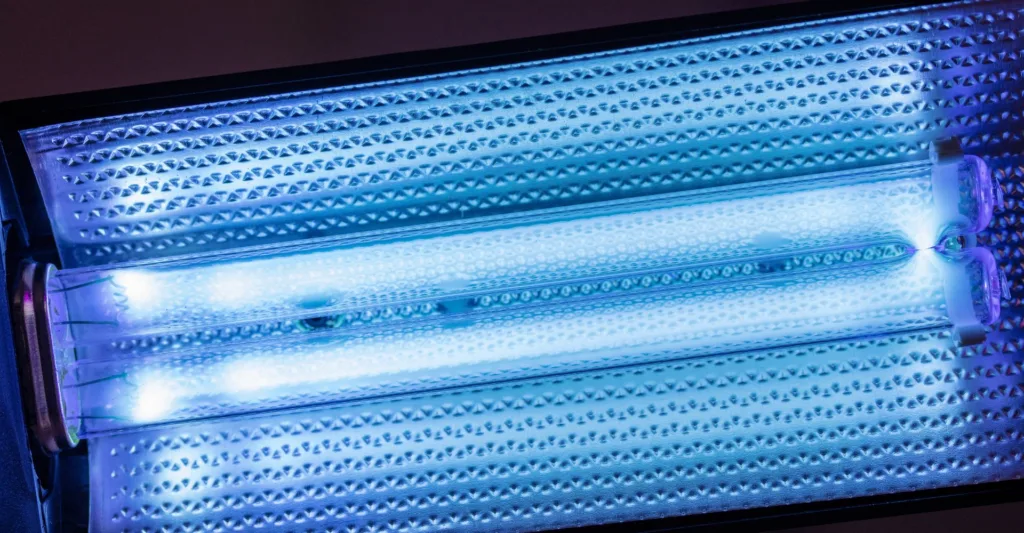
- Deploy UV light traps (commercial-grade) in non-food-preparation rooms and behind bars (position per manufacturer’s specs so insects aren’t blown into food).
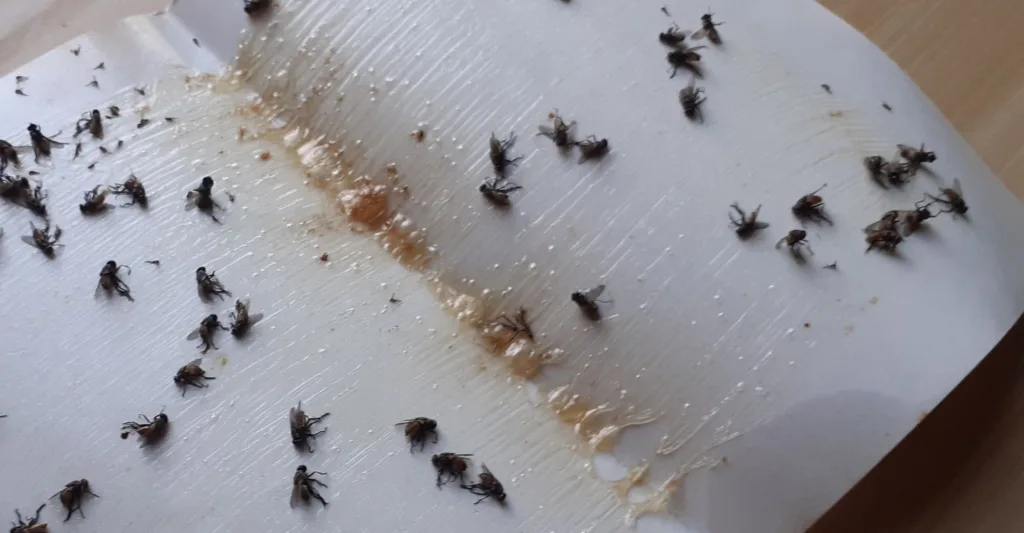
- Use sticky traps and fruit-fly traps near drains, under sinks, and in waste storage.
- Replace trap cards and empty sticky boards the same day you start, since removing adults lowers reproduction right away. Check placement rules in Minnesota food safety training before using chemical strips near food prep.
4. Triage the drains
Drains are a common, hidden breeding site. Pouring a biological drain cleaner or enzyme product, then scrubbing the drain grates, removes the organic film where flies lay eggs. For heavily infested drains, mechanical cleaning (drain brushing) combined with sanitizing is often required.

Easy Tips to Control Flies in Your Establishment
Smart trash management
- Empty and clean indoor trash frequently during service.
- Keep outside dumpsters on a strict service schedule and pressure-wash weekly — ensure lids seal tightly and drains near dumpsters have shut-off plugs.
- Locate dumpsters away from exterior doors if possible; add a lid sensor or secondary enclosure to deter pests.
Staff training and active managerial control
Minnesota regulations emphasize “active managerial control” in food establishments: the designated Person-In-Charge (PIC) must ensure safe practices and pest prevention are routine. Train staff to:
- Keep food covered.
- Immediately sweep up spills and clear prep debris.
- Log pest sightings and corrective actions so inspectors see an active program.
Fast fixes for customer areas
- Cover food on buffets and live-service displays.
- Remove or replace floral garnishes left outside overnight.
- Keep doors to patios and entrances closed when possible; consider fly-proof window screens for patios used year-round in Minneapolis weather.
How to Handle Fly Control Professionaly
If fly activity persists after sanitation and exclusion, bring in a licensed commercial fly control specialist. A professional will:
- Conduct a site assessment (identify species: drain/fruit flies vs. house/cluster flies require different tactics).
- Install and service commercial electric fly control (EFIs/UV machines) and properly place trapping stations.
- Treat breeding sites with approved products and offer long-term Integrated Pest Management (IPM) plans tailored to restaurants and bars. IPM focuses on non-chemical prevention first, with pesticides as a targeted last step — a practice consistent with EPA IPM principles.
Abra Kadabra provides commercial fly control across the Twin Cities and can design a restaurant-specific IPM plan—learn more on their Fly Control Services page or request a quote for Northeast Minneapolis locations.
Managing the Expectations of the Law and Food Safety Experts
Inspectors focus on whether flies are being controlled through active measures:
- Visible insect activity inside food preparation or storage areas is a serious concern.
- Evidence of inadequate trash or waste management, uncovered food, and unscreened openings.
- Lack of documentation that the PIC and staff are actively preventing pests.
Following the Minnesota Food Code and maintaining records of pest monitoring and corrective actions reduces inspection risk. If you need specifics, review Minnesota Rules Chapter 4626 and local health department guidance for food establishments.
Minnesota food safety training and state guidance require that any pesticide or control device used in a food establishment be applied safely and stored away from exposed food; product labels and local rules determine acceptable placement (for example, fruit-fly strips must be placed away from food contact surfaces, inside lids of covered garbage only). Always use licensed applicators for restricted products and follow label directions exactly.
Seasonal notes for the Twin Cities
Minnesota’s climate affects fly pressure:
- Warmer months (spring → fall) increase breeding and activity; drains and dumpsters warm up faster.
- In winter, cluster flies may enter buildings seeking overwintering sites and become a nuisance indoors.
Seasonal sanitation schedules, combined with monitored trapping, help restaurants stay fly-free year-round in the Metro Minneapolis environment. For localized service and seasonal plans, check regional providers that operate across the Twin Cities.
Quick checklist you can use today (print & post)
- Empty and clean indoor trash cans during shifts.
- Scrub and sanitize drains nightly; use drain enzyme product weekly.
- Inspect and seal all exterior gaps, doors, and screens.
- Place UV traps and sticky traps in non-food prep zones; log service dates.
- Move outdoor dumpsters away from service doors; ensure lids close.
- Train staff on PIC responsibilities and pest sighting logs.
- If flies persist after 48–72 hours of these actions, schedule a commercial inspection.
In Conclusion
Fast sanitation and exclusion steps reduce fly numbers immediately, but persistent infestations usually point to hidden breeding sites or structural problems. Document every corrective action (time, technician, what was done) — inspection teams love to see written proof of active managerial control. If you’re in Metro Minneapolis and need help diagnosing or designing a restaurant-safe fly control program, Abra Kadabra offers commercial services and local expertise across the Twin Cities.