A Guide for Metro Minneapolis Homeowners
Solar energy adoption continues to grow across Minnesota. With local incentives, falling system costs, and rising electricity prices, many Twin Cities and suburban homeowners are turning to solar panels to power their homes and reduce long-term energy bills.
While solar panels are designed to be low-maintenance and long-lasting, there’s one often-overlooked challenge that can silently reduce performance and even introduce serious safety concerns: wildlife and pest intrusion under solar panels.
In this blog, we’ll explain what solar panel exclusion is, why it matters specifically here in Metro Minneapolis / Minnesota, and how it can dramatically improve your system’s energy efficiency while also reducing the risk of electrical fires and costly repairs.
What Is Solar Panel Exclusion?
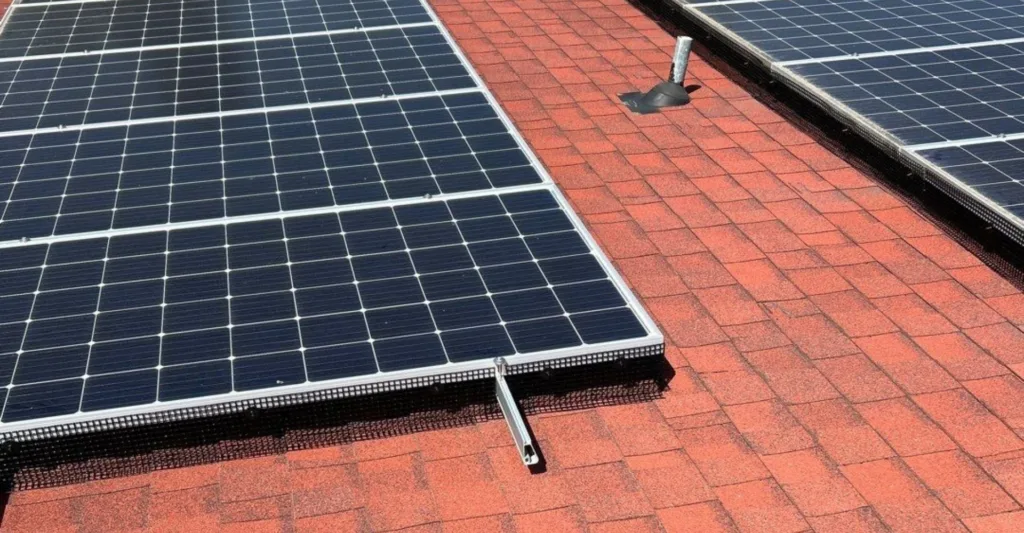
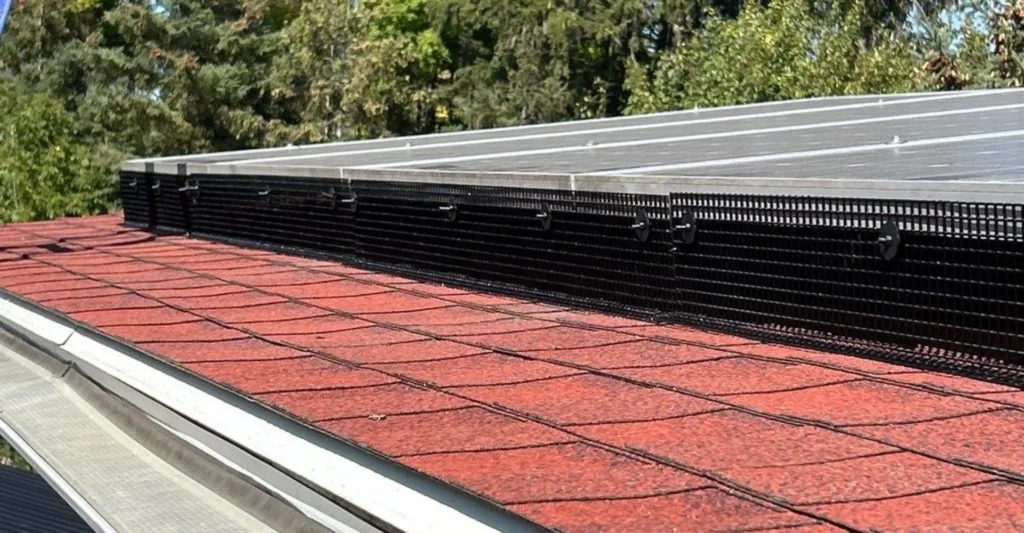
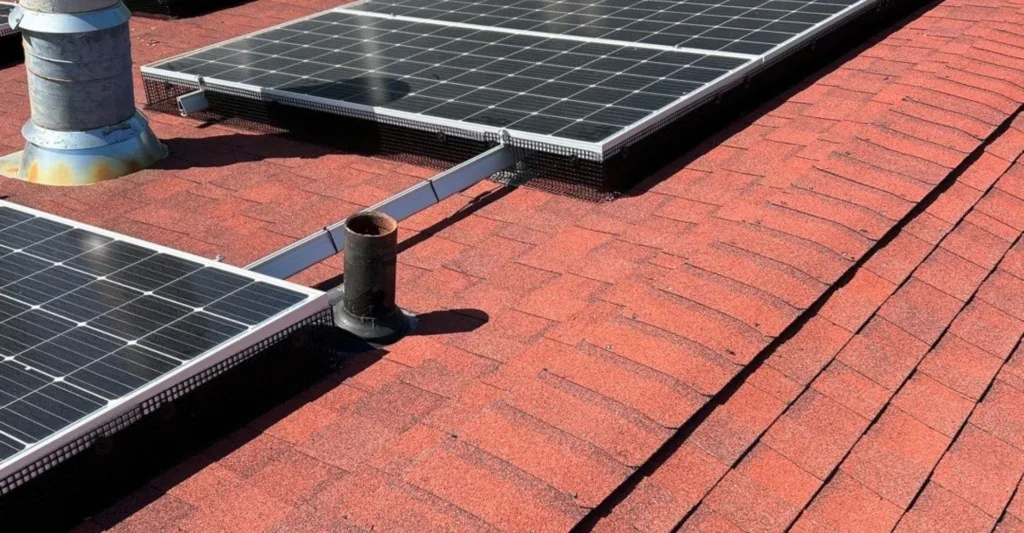
Solar panel exclusion refers to the process of installing barriers or exclusion systems around and beneath solar panels to prevent birds, rodents, squirrels, raccoons, bats, and other wildlife from gaining access to the space between your panels and roof.
These critters see that gap as a sheltered area, ideal for nesting or hiding, especially in a region with cold winters and warm summers like Minnesota.
Without effective exclusion:
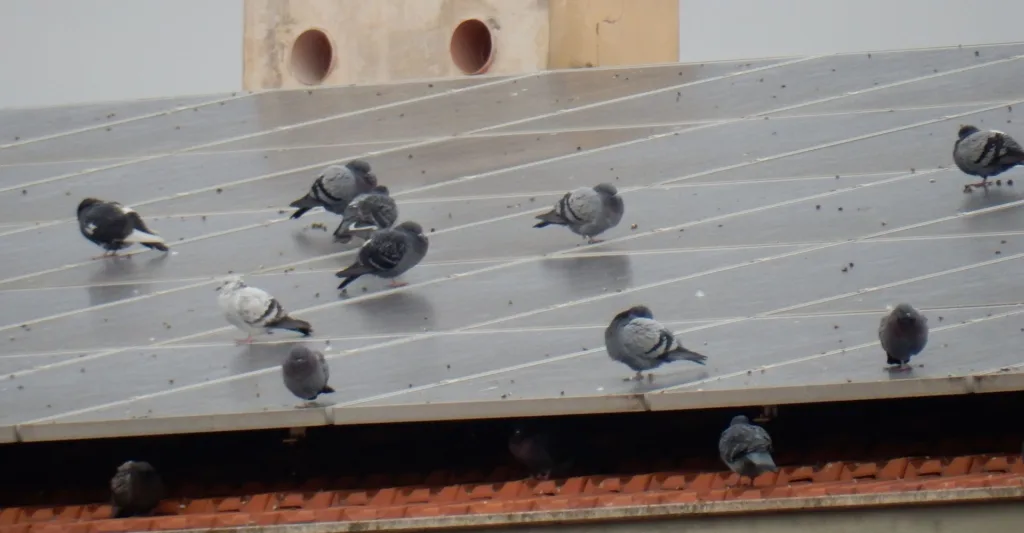
- Birds can nest and leave droppings that block sunlight and corrode surfaces.
- Rodents can chew wiring and insulation, leading to energy loss or shorts.
- Debris buildup can trap heat and moisture, increasing wear and fire risk.
Solar panel exclusion systems commonly use durable mesh, tension-fit skirts, and carefully sealed edge guards that keep wildlife out without drilling holes into your panels or roofing.
Why Minnesota Homeowners Should Care
The Minnesota climate creates conditions that make solar panel exclusion particularly important:
- Summer Shelter & Winter Warmth – Pests and critters seek shaded shelter in the hot months and warm shelter in the winter. The airspace under solar panels becomes an attractive spot for nesting or denning from May through September.
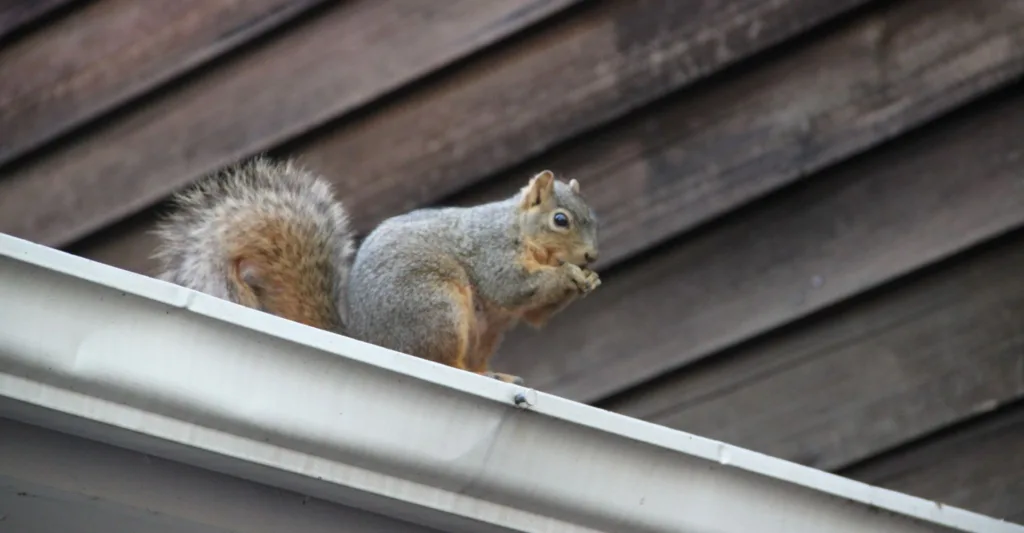
- Local Wildlife in the Twin Cities – Species common across Metro Minneapolis, from squirrels in Maple Grove to pigeons in Northeast Minneapolis, readily take advantage of gaps under solar arrays. Left unmanaged, these animals can cause damage long before you even notice.
- Long Cold Winters – Any buildup of debris, nesting materials, or droppings that isn’t cleared before winter can trap moisture and freeze against wiring or mounting hardware, increasing corrosion and mechanical stress over time.
How Wildlife Damage Reduces Solar Efficiency
Solar panels produce electricity by absorbing sunlight and converting it into power.
Anything that prevents direct sunlight from reaching the solar cells, even partially, can reduce overall efficiency.
Here’s what can happen when wildlife takes up residence under your panels:
- Blocked Sunlight from Nests & Debris — Bird nests and accumulated debris beneath panels block light and reduce output.
- Acidic Droppings Erode Panels — Bird droppings are highly acidic and can etch into solar panel surfaces, diminishing their ability to capture sunlight.
- Rodent Wire Damage Causes Losses — Rodents love to chew. They can gnaw through electrical wiring and insulation, creating resistance or breakpoints that decrease system output.
- Increased Maintenance Needs — When critters get under panels, maintenance — including cleaning and repairs — becomes more frequent and costly, reducing the return on your solar investment.
Fire Risk from Wildlife Intrusion
One of the most serious consequences of pests under solar panels is the elevated risk of electrical fires. This occurs in a few ways:
- Chewed Wiring & Short Circuits — Rodent-chewed wires expose live conductors, which can short-circuit under load or in wet weather, creating sparks or overheating.
- Debris & Nest Materials as Fuel — Twig nests, leaves, and grass provide fuel right next to your electrical system. In the event of an electrical fault, this dry material can ignite.
- Reduced Airflow Leads to Overheating — Blocked airflow under the panels increases operating temperatures, which both lowers efficiency and raises fire risk over time.
Fire incidents related to pest damage are rare, but when they do occur, they can be devastating — both for your home and your peace of mind.
Solar Panel Exclusion: Efficiency & Safety Benefits
Implementing a proper exclusion system carries multiple measurable benefits for Minnesota solar owners:
- Improved Energy Output — By keeping nests, debris, droppings, and animals out, exclusion systems ensure panels receive unobstructed sunlight. Studies and industry experts confirm that panels with fewer obstructions can produce more consistent power.
- Reduced Fire Hazards — Physically protecting wiring and reducing combustible materials decreases the chance of shorts, arcs, or heat buildup — key precursors to electrical fires.
- Longer System Lifespan — With pests kept out, wiring lasts longer, insulation stays intact, and structural components aren’t compromised — extending the useful life of your system.
- Lower Maintenance Costs — Exclusion systems help reduce the need for frequent cleaning, debris removal, and wildlife removal, saving you money over the installation’s lifespan.
How Abra Kadabra Environmental Services Can Help
At Solar Panel Exclusion Services by Abra Kadabra Environmental Services, we understand that Minnesota home and business owners need solutions that protect both solar investments and structural safety. Our exclusion systems are:
- Professionally installed to fit your specific solar array
- Non-invasive — no drilling into panels or roof sheathing
- Designed to keep birds, rodents, bats, and other wildlife out while allowing ventilation
- Easy to remove for required panel maintenance
Learn more about how we approach wildlife removal and animal-proofing or exclusion techniques in our Pest & Wildlife Library or on our Wildlife Removal services page.
Whether you have a new installation or a legacy array that’s starting to show signs of critter damage, we can inspect your system, assess risk points, and design a tailored exclusion strategy.
Prevention Tips for Solar Panel Owners
Beyond professional exclusion installation, here are some practical tips Metro Minneapolis residents can use:
- Regular Panel Inspections — Schedule seasonal inspections twice a year — ideally after winter and early fall — to check for signs of nesting or debris buildup.
- Maintain Surrounding Vegetation — Trim back trees and dense shrubs near your panels, especially on the east, south, and west sides, to reduce access routes for pests.
- Install Critter Guards or Mesh Kits — Durable mesh kits or critter guards physically block access points and are a cost-effective way to prevent animal intrusion.
- Seasonal Maintenance Plans — Residents with solar arrays should include an exclusion inspection in their year-end home maintenance checklist, just as they do for HVAC, gutters, and the roof.
Conclusion
Solar power represents a major investment for Minnesota homeowners. Between incentives, environmental benefits, and savings on utility bills, it’s one of the smartest upgrades you can make in the Metro Minneapolis area.
The performance and safety of your system depend heavily on one often-neglected aspect: managing wildlife and pest access under your panels. Effective solar panel exclusion will:
- Boost efficiency by keeping critical sections clean and unobstructed.
- Reduce fire risk and electrical vulnerabilities.
- Lower long-term maintenance and replacement costs.
- Help your solar panels deliver the best return on investment over their lifetime.
Keeping your solar investment safe starts with proactive maintenance — and exclusion is one of the most effective strategies.
For reliable exclusion services in the Minneapolis metro area, contact Abra Kadabra Environmental Services and let our experts protect your solar system from the ground up.
Call today
To request a consultation, call Abra Kadabra at (763) 265-7356. We’re happy to discuss your concerns.