

(A Deep Dive for Minneapolis Area Homeowners)
Minnesota winters are long and harsh, especially here in the Metro Minneapolis area. Between heavy snowfall and month-long freezes, many homeowners assume pests die off in winter, or at least disappear until spring. In reality, pests often survive winter and make themselves at home in our homes, only to re-emergeas the seasons change.
Understanding why pests return after winter and what homeowners can do about it will help you protect your property, your health, and your peace of mind.
1. Minnesota Winters Don’t Eliminate Pests
Contrary to popular belief, most household pests don’t disappear when the temperature drops. Instead of dying off, species like mice, spiders, cockroaches, stink bugs, boxelder bugs, ants, and cluster flies either:
- Move indoors for warmth, food, and moisture, or
- Enter a dormant or low-activity state that allows them to survive until conditions improve.
For many species, your home becomes the ideal winter habitat. As soon as outdoor temperatures consistently dip below freezing, pests seek areas with heat, food, and shelter, and a heated house fits that description perfectly.
That’s why winter doesn’t really make pests disappear; they move inside.
2. Minnesota’s Most Persistent Winter Survivors
Here are some of the pest species Twin Cities homeowners are most likely to see during and after winter:
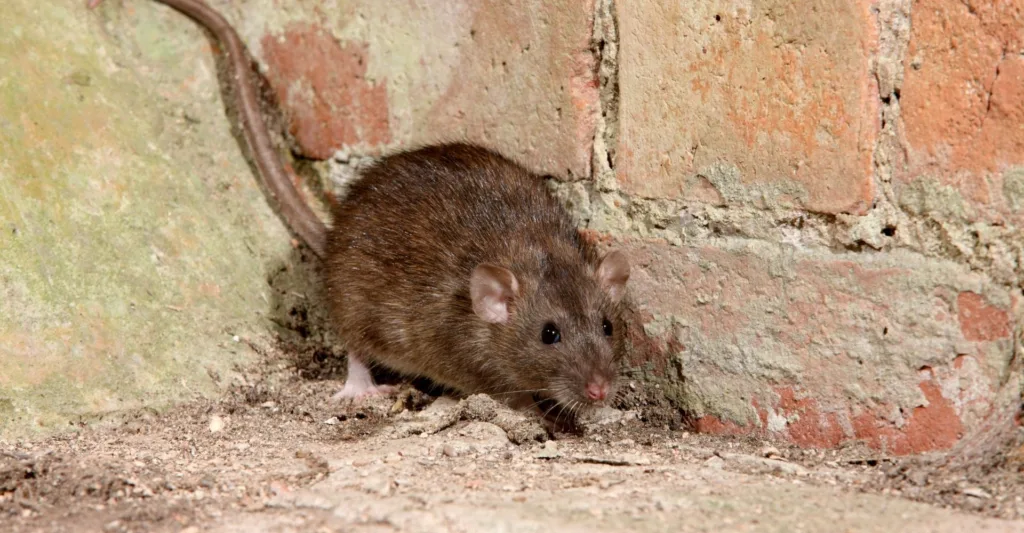
Rodents (Mice & Rats)
In Minnesota, deer mice and white-footed mice are particularly common winter invaders in single-family homes, basements, and attics. These rodents can squeeze through tiny cracks and exploit small gaps around foundations, utility lines, and siding to get indoors.
Once inside, they nest in warm areas, chew on insulation and wiring, and reproduce rapidly — meaning a few rodents in winter can turn into a big infestation by spring.
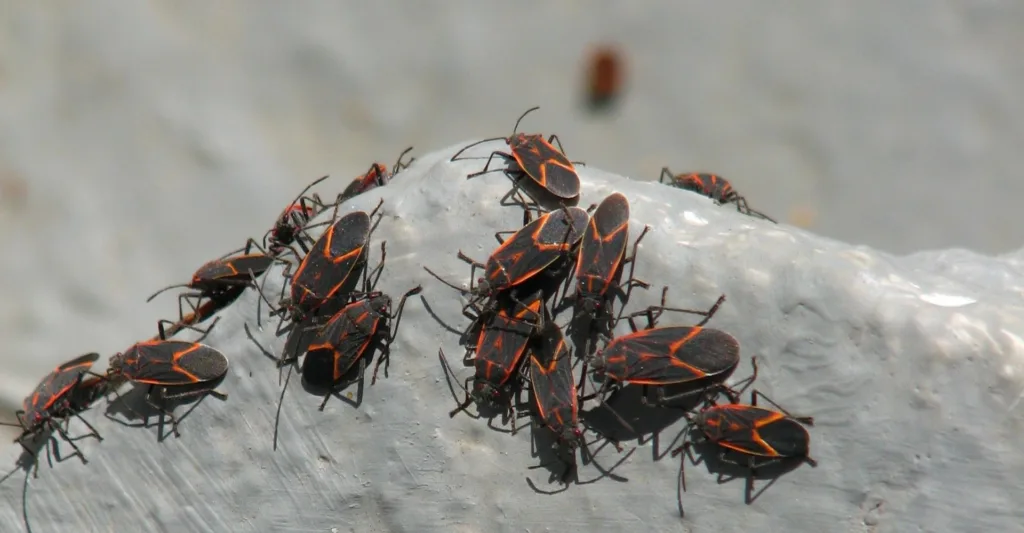
Overwintering Insects – Boxelder Bugs & Stink Bugs
Species such as boxelder bugs, Asian lady beetles, and brown marmorated stink bugs often seek shelter on sunny exterior walls in fall and then slip into wall voids, attics, and soffits as the weather cools. They then remain dormant through the coldest months and reappear on warmer winter or early spring days.
These insects don’t reproduce indoors, but their sheer numbers and persistence can make them seem like they keep returning.
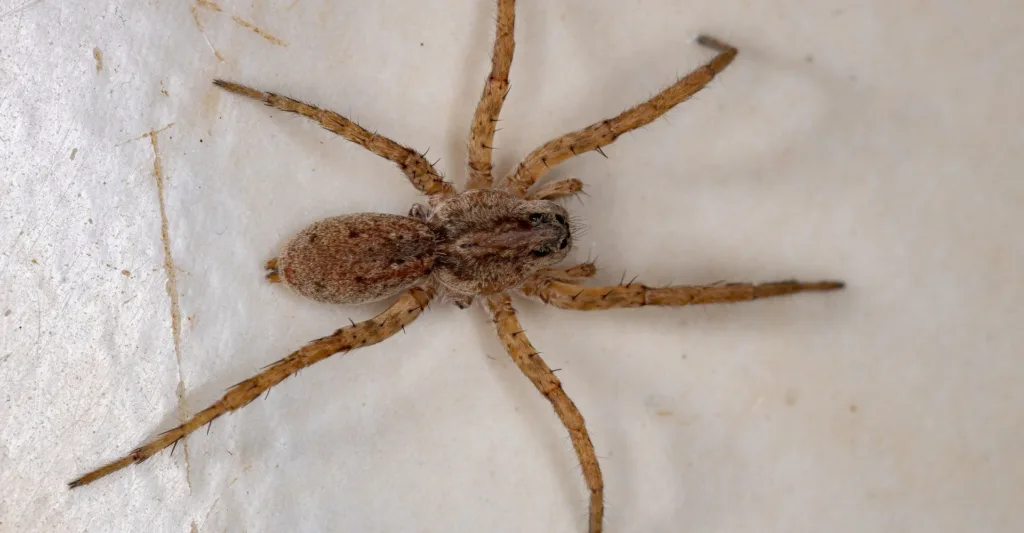
Spiders & Structural Insects
Many spiders and structural insect pests (like cockroaches) are active year-round inside buildings. They don’t rely on outdoor conditions and can thrive in the protected environment of walls, basements, and crawl spaces.
3. Why Your Home Seems to Invite Them Back Every Year
It’s not that pests are “magically returning” year after year; it’s that they never fully left. There are several structural and behavioral reasons this happens:
- Warmth & Stable Temperatures: Homes stay warmer and more consistent in temperature than the outside world in winter. That makes them ideal habitats for pests that would otherwise freeze, slow down, or die outdoors.
- Entry Points That Go Unnoticed: Even the smallest gaps in siding, foundation cracks, or openings around windows and vents create pathways for pests seeking warmth. These entry points are often invisible to the untrained eye, especially on older homes in Minneapolis neighborhoods built decades ago.
- Moisture Inside the House: Basements and crawlspaces in Minnesota homes often hold higher humidity in winter — and many pests love moisture almost as much as they love warmth. Moisture attracts cockroaches, silverfish, and ants even in the cold months.
- Food & Resource Availability: Indoors, pests find food sources such as pet food, crumbs, pantry items, and pet waste. These attractants can sustain pest populations throughout the winter.
- Clutter & Storage Areas: Winter is storage season in Minnesota: packed boxes, holiday décor, and seldom-used spaces become perfect nesting spots for rodents and insects alike.
4. Local Climate Patterns Can Amplify Pest Activity
Minnesota’s notoriously variable winters don’t always include consistent hard freezing. In recent years, warmer winter trends, sometimes called a “mild winter,” have kept more pests alive outdoors, allowing more to enter homes and thrive.
Because the snow cover insulates the ground, pests can travel along foundation edges and access gaps without being exposed to predators or cold air.
That’s one reason Twin Cities residents often experience pest resurgence as soon as snow begins to melt, well before spring officially arrives.
5. The Spring Effect — Why They Become Noticeable Again
Many homeowners first see pests again after winter because:
- Pests that survive inside or near the house become active when indoor air warms or when early spring sunshine appears.
- Dormant pests awaken and search for food, mating sites, or light.
- Pest populations that were hidden in walls and attics become more visible as temperatures rise and activity increases.
This doesn’t mean pests “came back” from outside — it means they were already there, waiting for triggers like heat and sunshine.
External entomology resources confirm that cold weather triggers movement into protected areas, and that many insects exploit warmth and structures to overwinter effectively.
6. How to Break the Cycle — Minnesota Home Pest Prevention
If pests can survive indoors through winter, what can local homeowners do to prevent their return each year?
Schedule Professional Winter and Spring Inspections
Getting a professional inspection before winter hits (and again as spring arrives) allows technicians to:
- Identify and seal entry points
- Spot nesting areas
- Correct structural vulnerabilities
Professional pest inspections are especially essential because rodents don’t hibernate — they continue searching for food and shelter right through the coldest months.
Learn more about why inspections are vital in winter with this resource: 6 Reasons Why Pest Inspections are Essential On & Before Winter.
Seal and Proof Your Home
Sealing cracks around foundations, utility lines, and rooflines can prevent pests from entering. This is often called “exclusion work,” and is one of the most effective long-term defenses.
Use Professional Pest Control Services
Long-term pest management is much more effective than one-off DIY treatments. A trusted local provider like Abra Kadabra Environmental Services residential pest control in Minnesota can help protect your home year-round.
They offer services tailored to the Twin Cities climate, including winter pest control, exclusion, and wildlife removal.
Stay Ahead With Seasonal Preventive Steps
- Keep firewood stored away from the home
- Replace worn-out weather stripping
- Fix moisture issues in basements and crawlspaces
- Clear clutter from storage areas
- Store food in sealed containers
Even simple lifestyle adjustments can make your home far less attractive to pests.
7. What Happens If You Ignore It?
Ignoring winter pest activity isn’t just a nuisance — it can lead to:
- Structural damage (chewed wires, compromised insulation)
- Health risks from rodent droppings and insect contamination
- Higher control costs later in the year
- Recurring infestations that are harder to eradicate
Rodents like deer mice are known carriers of serious diseases like hantavirus, so prevention isn’t just about comfort — it’s about safety. External health and pest science organizations emphasize the importance of early mitigation of rodent and pest entry.
Conclusion
In Metro Minneapolis and throughout Minnesota, pests are remarkably resilient. They don’t disappear when the cold settles in; they adapt. Your home becomes a refuge where warmth, food, and moisture enable survival and return.
Rather than hoping pests go away on their own, the most effective strategy is proactive inspection, exclusion, and professional pest control—especially during winter and early spring. When you stay ahead of pest behavior, you protect your home more effectively and enjoy Minnesota’s seasons pest-free.
For customized pest control plans tailored to Minnesota’s unique seasons and pest pressures, learn more about Abra Kadabra Environmental Services pest control in Minnetonka, MN, and other local service areas.