
Wintertime in the Twin Cities has its advantages. Whether you’re the type to hit some slopes or cozy up inside, lots is going on (at least until after New Year’s). We aren’t the only ones trying to survive the cold. Pests & wildlife increase pressure on homes as they seek warmth, and for some homeowners, each season, that leads to an infestation.
You might hear noises in your attic, see an increased energy bill and icicle formation, or maybe even see them or direct signs of their activity. Nobody wants mice, squirrels, or any other critter hanging out in their home.
This isn’t new to us. We regularly work with homeowners who discover issues only after they’ve become serious. More often than not, our role is to educate clients on the importance of consistent, seasonal inspections. Pests and wildlife are active year-round, and their behavior changes with the temperature.
Left unaddressed, the damage they cause can impact your health, safety, and finances. That’s why scheduling regular pest inspections is one of the most important steps you can take to protect your property.
1. Pests don’t hibernate
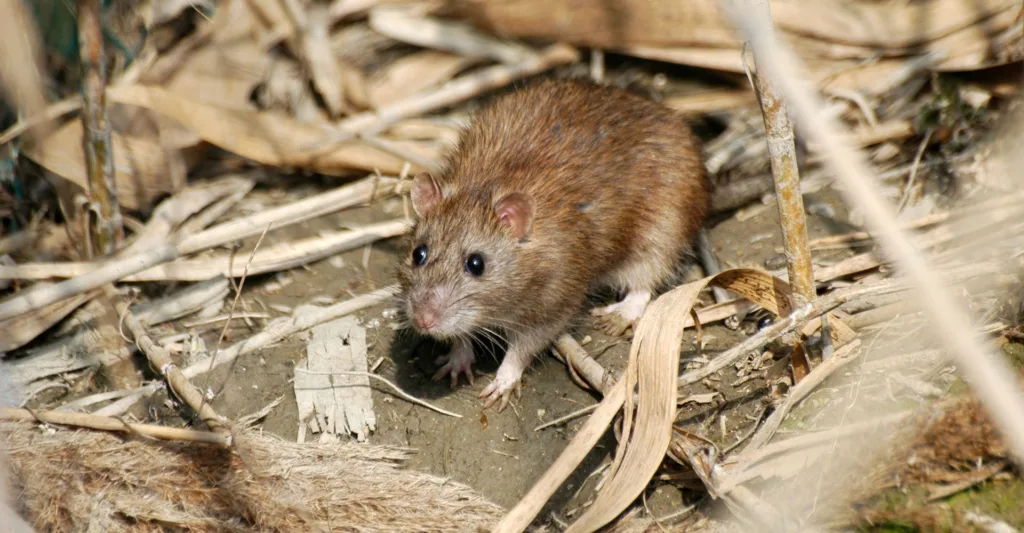
Mice do not hibernate. When temperatures drop, they’re motivated to find a warm place that has food, water, and nesting material they need to thermoregulate.
In cities like Minneapolis and St. Paul, rodents exploit gaps, vents, utility penetrations, and even attic insulation cavities to set up camp in cozy spots. This movement indoors during winter isn’t a minor nuisance; it’s when infestations become chronic and increasingly expensive to fix over time.
2. Pests multiply fast
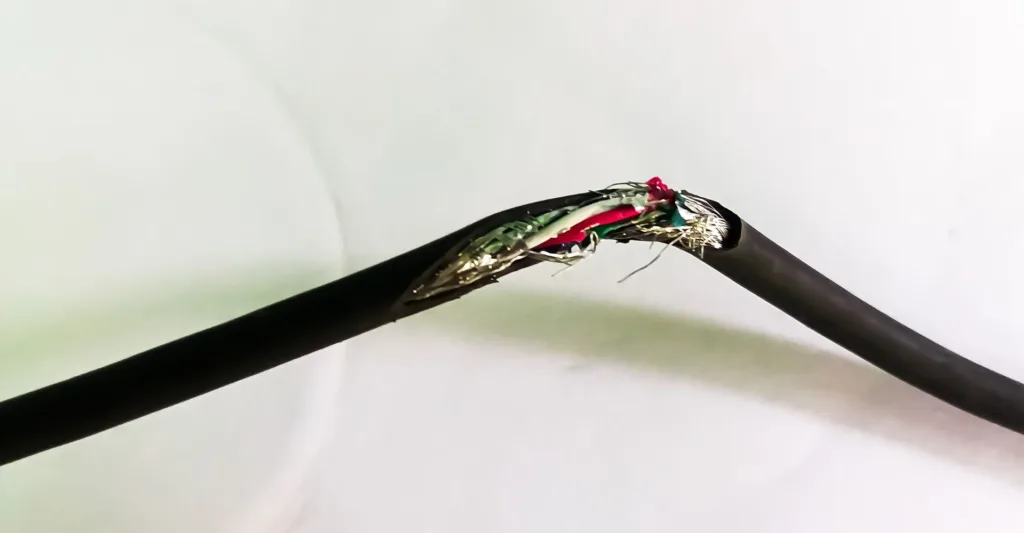
Pests procreate fast. One pregnant mouse can produce dozens of descendants in a matter of months. An unnoticed pair of rodents chewing on wiring and insulation can turn into a fire risk, ruined HVAC components, and attic insulation that needs replacement.
Insurance companies label rodent damage as maintenance issues — not covered claims. An inspection in December or January often prevents thousands in repairs later. A short, proactive inspection equals massive savings.
3. Pests pose health risks
Wintertime is not the best time to get sick. Also, it is not a good time to do home repairs. Fall is a great time to complete the necessary maintenance and inspections.
FYI: Rodents carry fleas, ticks, mites, and bacteria. They contaminate food, leave droppings and urine in pantries, basements and attics, and can be associated with serious illnesses like Hantavirus.
Rodents in attics and wall cavities can carry spores or attract pests that affect indoor air quality, a risk in tightly sealed Minnesota homes. That’s a hard “no” if you have kids, elderly family, or anyone with asthma. A winter inspection reduces the chance you’re sleeping next to a health hazard.
4. While it’s a little late, wintertime can be an opportunity to catch entry points
A national survey showed many homeowners attempt DIY pest management. Yet, the success rate in fully resolving pest issues is low, with a large share unable to eliminate infestations on their own.
Pest professionals inspect for the small, cunning things: gaps at foundation seams, pipe chases, torn vent screens, attic gable vents, unsealed HVAC penetrations, poorly fitted door sweeps, and deteriorating chimney caps, to name a few.
The CDC’s resources and mitigation guidance back that up: rodents are a public health risk, and prevention is key.
In winter, those travel routes and access points can be harder to spot, and preventing rodents from establishing nesting locations inside saves you from repeat visits.
While winter reduces exterior plant cover, snow provides rodents with concealed pathways along the ground and along the foundation, keeping them hidden from predators and homeowners.
This allows them to access vulnerable gaps such as utility lines, foundation seams, and siding transitions without obvious visual cues, making professional entry-point inspections vital during winter.
Attics: the silent disaster zone
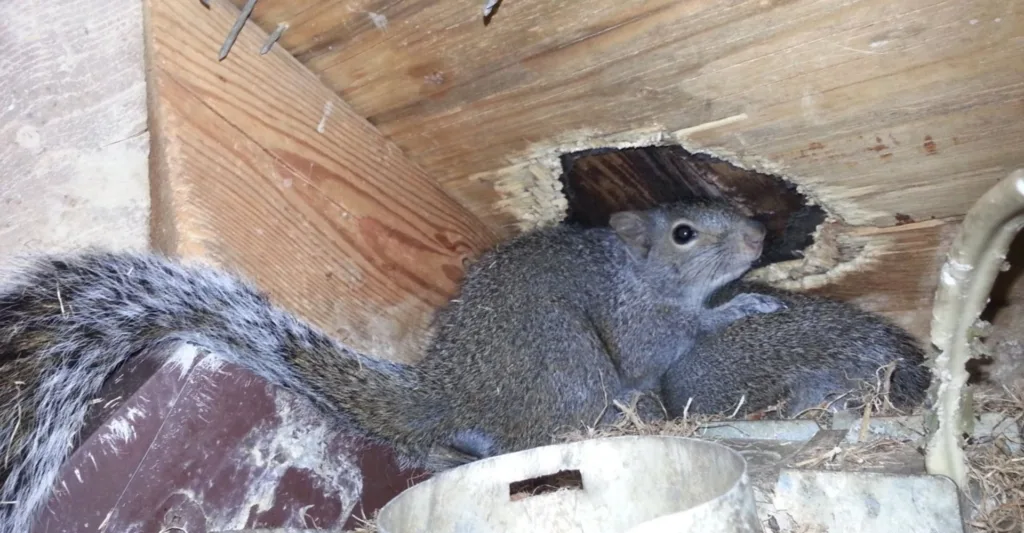
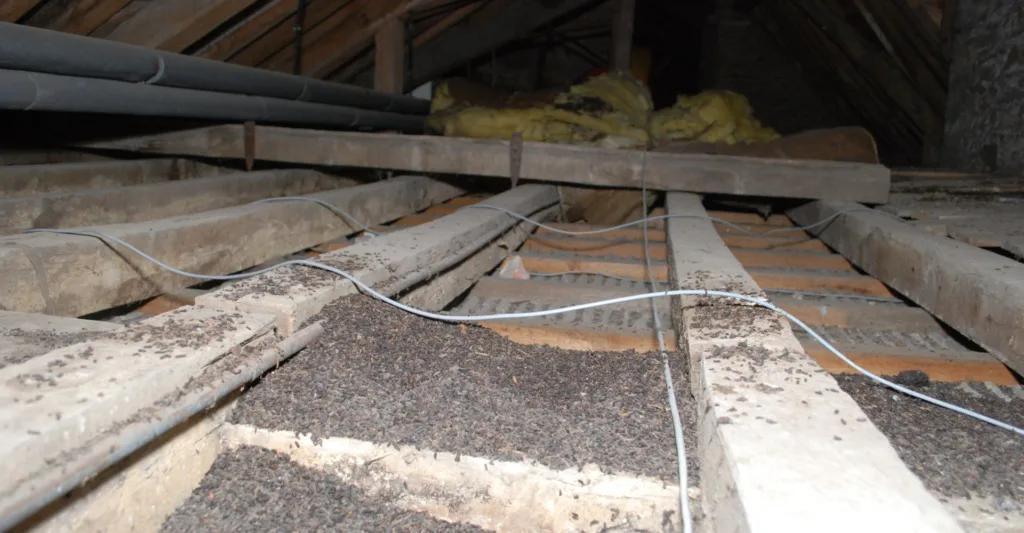
The warmer attic temperature brings in pests to build a nest there—the warmth from HVAC ducts, soft insulation, and nesting material provides an undisturbed space.
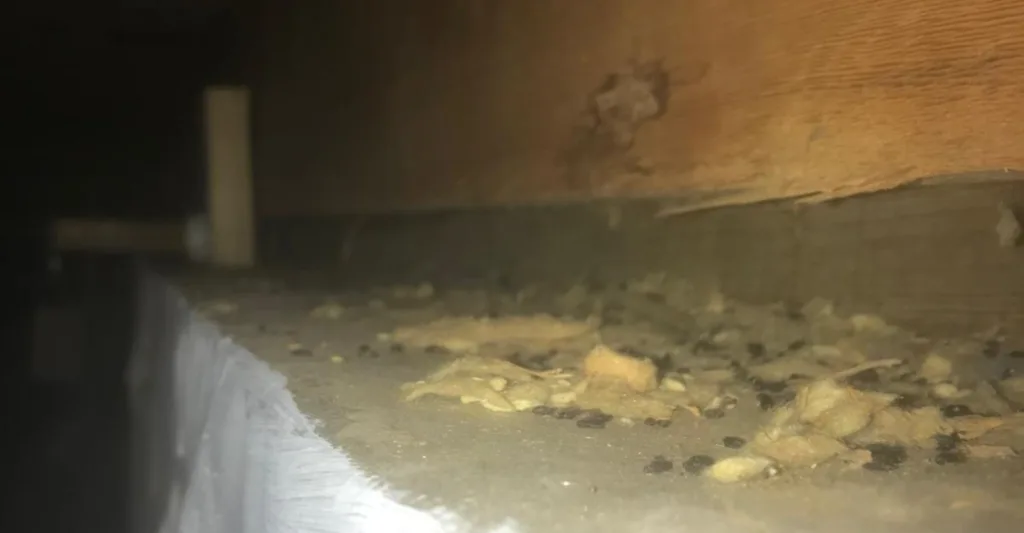
Rodents in the attic can chew electrical wiring, ruin insulation, and leave droppings that can require attic remediation. If you’ve been thinking about attic retrofit, re-insulation, or attic remediation — combine that work with an inspection. Do it wrong and you’ll pay twice. (Yes, this is a familiar story in older Twin Cities homes.)
5. Inspections protect your wallet and property value
Here’s the ugly financial truth: homeowners who ignore early signs of rodents often end up with attic remediation bills, new wiring, HVAC repairs, and ruined insulation — sometimes $5k–$15k or more depending on the scale.
If you’re selling a home in Minneapolis, evidence of past infestations can spook buyers or become a negotiation headache. An inspection gives you leverage: you fix known issues, document them, and your buyer won’t be surprised. It’s honesty that retains value. Insurance companies also like documentation when disputes arise.
What a Winter Pest Inspection DOES Include
Conduct a complete exterior walkthrough (foundation to roofline)
Technicians inspect the entire exterior envelope of the home, looking for gnaw marks, gaps, missing or damaged flashing, compromised soffits, loose siding, and vulnerable roofline and vent areas that rodents and wildlife commonly exploit during winter.
Review the immediate perimeter and attractants
This includes sheds, detached garages, woodpiles, exterior trash and recycling areas, bird feeders, and landscaping features. These areas often act as food sources, harborage, or travel corridors that funnel pests toward the structure.
Inspect attics and crawl spaces
Attics and crawl spaces are prime winter nesting zones. Inspections look for nesting material, droppings, chewed wiring, contaminated insulation, heat trails, and evidence of previous or active entry points.
Examine basements and utility areas
Technicians check utility penetrations, foundation cracks, sill plates, and other ground-level gaps that rodents frequently use as entry highways—especially when snow cover pushes activity closer to the structure.
Document findings and provide a prioritized action plan
Homeowners receive photo documentation, clear explanations of what was found, and a phased plan that outlines mitigation, animal-proofing or rodent-proofing needs. This typically includes exclusion recommendations (seal this, repair that), sanitation improvements, and follow-up monitoring options.
Clearly explain treatment vs. exclusion costs
A proper inspection explains the difference between short-term control (traps or baits) and long-term prevention (exclusion). Transparent pricing allows homeowners to understand the full scope and budget appropriately, even if exclusion is planned in phases.
What a Winter Pest Inspection DOES NOT Include
Automatically involves traps or poison
An inspection is about assessment and planning—not defaulting to baiting or trapping without understanding how pests are getting in.
Focus only on the interior symptoms
Seeing droppings or hearing noise is not the end of the inspection. Ignoring exterior entry points leads to recurring problems, especially in winter.
Guarantee immediate elimination without exclusion
Without sealing entry points and addressing conditions that attract pests, activity is likely to return—regardless of how many traps are set.
Skip documentation or explanations
A quality inspection doesn’t leave homeowners guessing. “You have mice” without photos, reasoning, or next steps is incomplete.
Push one-size-fits-all solutions
Every home, structure, and winter scenario is different. Adequate inspections result in customized recommendations—not cookie-cutter treatments.
Exclusion work + treatment works
Trapping and baiting have their place, but winter is when exclusion (sealing and proofing) pays dividends. Seal first, then treat — otherwise you trap animals in, creating bigger messes.
Exclusion needs to be done by people who know building science and animal behavior: what looks like a small crack can be a mouse highway, and what looks like an obvious hole might be the only exhaust pathway for equipment you can’t block.
A quality inspector will recommend a phased, budget-friendly exclusion plan if major repairs are needed — something that works with HOA timelines or older homes in Minneapolis neighborhoods.
How to choose the right pest inspector?
Here are the questions you ask:
- Are your technicians licensed and insured?
- Do you offer Integrated Pest Management (IPM) documentation?
- Will you provide photos and a written action plan for any entry points?
- Can you prioritize exclusion work and offer phased pricing for big repairs?
- Do you service Minneapolis and the surrounding suburbs (Twin Cities coverage)?
A good partner will answer all of these, and won’t try to sell you long-term treatments before fixing the holes.
Local firms that understand Minnesota buildings and winters are at an advantage.
While we’re at it, Abra Kadabra offers free inspections for homes in the Twin Cities and surrounding areas. You can call us at (763) 265-7356 or book an appointment via our website.
We can attend to your emergency needs and provide the most reasonable package tailored to what pest-proofing your home requires.
Wrapping it up
If you have concerns about your home’s safety, value, and the health of the people in it, schedule a winter pest inspection. It’s not a luxury. It’s risk management and standard home maintenance. The cold season concentrates pests in the places we live; that concentrated pressure can become costs and hazards if left unchecked. Don’t let your warm (indoor) Minnesota winter become an expensive surprise next spring.
Call today
To request a consultation, call Abra Kadabra at (763) 265-7356. We’re happy to discuss your concerns.