
Muskrats are part of Minnesota’s shoreline scene. They are industrious, water-loving rodents that can be useful in marsh ecology but destructive when they move into yards, pond dams, seawalls, or commercial shorelines.
If you’re managing a lake property, stormwater pond, or shoreline in the Twin Cities metro, understanding how trapping fits into an integrated muskrat-management plan will keep your shoreline intact and your liability low.
This blog explains muskrat biology and behavior, legal and safety considerations for trapping in Minnesota, humane trapping approaches and alternatives, and how professional services (like Abra Kadabra Environmental) handle these jobs in Minneapolis.
How Muskrats Can Cause Property Damage
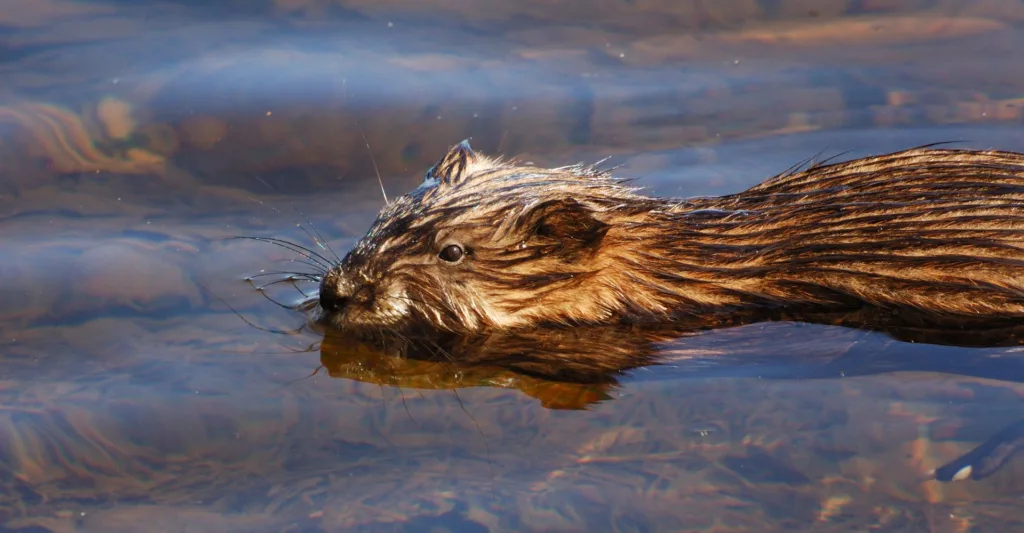
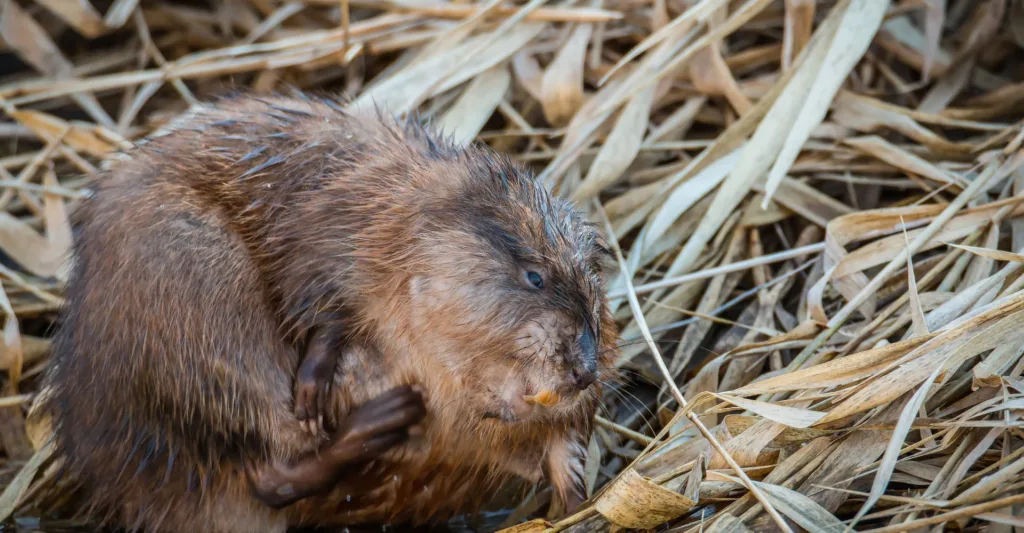
Muskrats (Ondatra zibethicus) are semi-aquatic rodents that feed on emergent vegetation and dig shallow burrows with underwater entrances along shorelines.
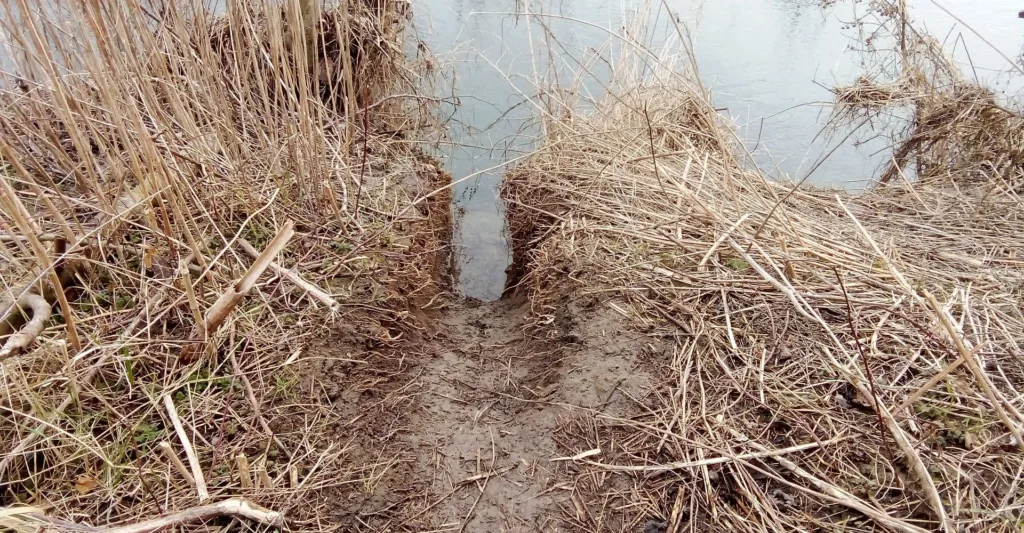
Their burrows, feeding tunnels, and lodge-building can undermine banks, collapse lawns, plug culverts, and damage pond dams or irrigation structures, issues common around Minneapolis ponds and lakes.
Muskrats reproduce quickly and are excellent swimmers. Once they’ve grown in population and have established their place in your property, it will be harder for them to catch. So, it’s better to observe early on and check for signs of muskrats.
If you’ve noticed shallow holes along the waterline, round vegetation lodges, chewed aquatic plants, or collapsed patches of shore, those are classic signs of muskrat activity. Abra Kadabra’s detection page walks through the typical indicators that technicians use during an inspection.
Minnesota Law on Wildlife Trapping
Before trapping, it’s essential to understand state and local rules and ordinances.
In Minnesota, muskrat trapping is regulated by the Minnesota Department of Natural Resources (DNR).
Trapping methods: live trapping vs. lethal trapping
80% of relocated animals die within the first year because they are in an unfamiliar environment and are competing with local wildlife. While we discuss trapping methods, it is also essential to know the most viable option for relocating these kinds of animals.
Furthermore, based on our experience, you can only relocate wildlife with the property owner’s consent. It is also a regulation that relocation cannot be done on public land, and these wildlife animals should be put in an area far enough to prevent them from returning to their original site. Squirrels, for example, are relocated 20 miles from their original location.
With this in mind, it is better to contact the right pest & wildlife professionals to handle more complex issues, such as trapping and relocation. This section explains only how it works, and we advise that professionals do it.
There are two broad trapping approaches commonly used:
- Live trapping and removal
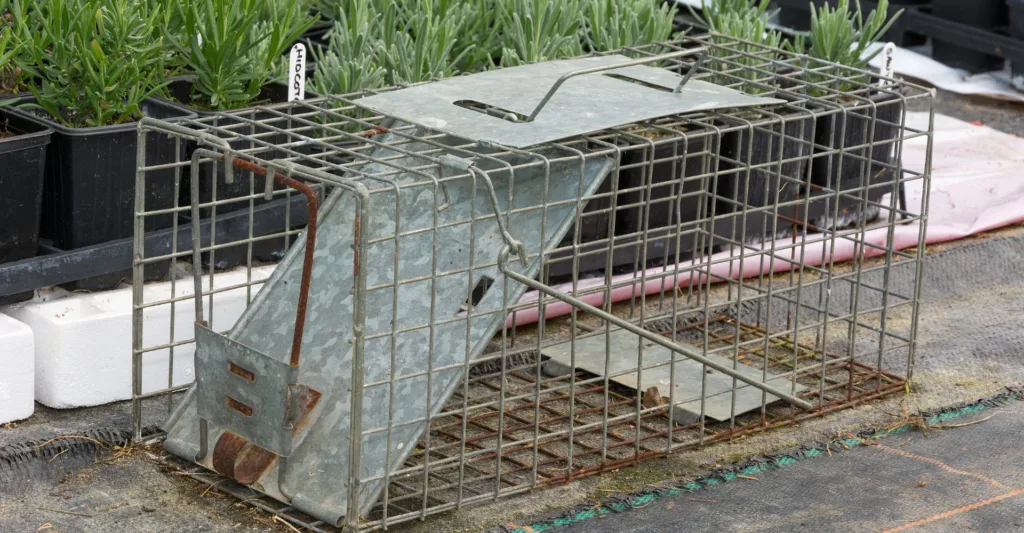
Live cage traps can capture individual animals without killing them. In Minnesota, relocation is sometimes allowed for nuisance muskrats, but it’s complicated and often discouraged because moving wildlife can spread disease, stress the animal, and transfer local ecological impacts elsewhere. Many wildlife professionals recommend lethal removal over translocation for these reasons — and some jurisdictions restrict relocation.
If you want humane removal, contact us to discuss the legalities and welfare implications.
- Lethal trapping (kill traps)
Body traps are effective when used professionally. These traps reduce populations quickly and are commonly used around dams and culverts. When used by trained technicians, lethal traps can target a specific animal to capture, and are placed to minimize non-target captures.
Minnesota rules restrict trap sizes and where submerged sets can be used near buildings and rights-of-way, so professional experience matters.
Best practices for practical, legal, and humane trapping
If trapping is the decided course, follow these best practices to stay legal and practical:
- Identify the entry points and high-use areas first. Muskrats use the same burrow or lodge entrances repeatedly. Locating burrows, runways, and feeding areas lets trappers place sets where they are most likely to work. Abra Kadabra’s detection and site assessment process focuses on these signs to design the right set.
- Use the right traps and set types for the site. Submerged traps are an effective way to capture invasive species in ponds and culverts, provided they comply with Minnesota’s size and placement rules.
- Minimize non-target risk. Set traps at depths and locations that minimize the chance of capturing pets, waterfowl, or non-target wildlife. Proper anchoring, baiting, and use of guiding boards or fencing reduce accidental captures. Professional trappers are skilled at minimizing risks.
- Check traps frequently and humanely. Daily checks are essential.. This is both a welfare and regulatory consideration in many areas.
- Combine trapping with habitat fixes. Trapping alone often gives temporary relief. Reinforcing pond dams with riprap, installing wire mesh around suspect dam faces, removing attractive emergent plantings near weak banks, and repairing existing burrows will reduce recolonization. The USDA and extension literature emphasize using multiple methods together for durable results.
Alternate Strategies
If trapping isn’t your first choice, or you prefer prevention, consider these options:
- Shoreline hardening and riprap: Placing stone along vulnerable dam faces and shoreline slopes reduces muskrats’ ability to burrow into and collapse those structures. This is a long-term preventive fix often used for stormwater basins in the Twin Cities.
- Wire aprons and mesh: Submerged galvanized mesh around dam faces or culvert inlets can block burrow entrances without harming animals.
- Vegetation management: Strategically removing or managing aquatic forage plants near sensitive structures can reduce the food attractant. Note that this must be balanced with water quality and habitat goals.
- Monitoring and early detection: Regular shoreline checks in spring and late summer catch small colonies before they create significant damage. Abra Kadabra offers inspection and monitoring services to property owners in the Minneapolis area.
These alternate strategies might be an obstacle to most property owners. While we suggest these, it is best to note the cost implications that this may have. We highly recommend contacting the right professionals for wildlife exclusion to ensure proper handling and sustainable treatment.
Why we highly suggest calling professionals instead
Muskrat trapping around built structures often requires a license, the right trap types, and experience to do the job safely and legally. Professionals bring:
- Knowledge of Minnesota DNR rules and municipal ordinances;
- Experience placing sets to reduce non-target captures and liability;
- Site-level solutions that combine trapping with exclusion, riprap, and restoration; and
- Proper disposal or reporting procedures.
Suppose you see repeated burrowing near a pond dam, a plugged culvert, or a collapsing shoreline. In that case, it’s wise to consult a qualified wildlife control company rather than improvise with DIY gear. Abra Kadabra’s muskrat control services include assessment, trapping packages, and prevention strategies tailored for the Twin Cities metro.
Safety, sanitation, and disease considerations
Muskrats can carry parasites and occasionally pose a bite risk; any handling should be done with gloves, and captured animals should be handled only by trained people. The Minnesota Department of Health and local resources advise caution in areas where rabies or other zoonotic diseases may be a concern.
Though muskrats are not among the highest-risk species for rabies, it is possible. Wounds or handling of sick animals should prompt medical advice. Proper disposal of carcasses and sanitation of traps are also essential to prevent attractants for scavengers.
Abra Kadabra maintains safety protocols for technicians working in waterborne conditions and around collapsing shorelines.
Action plan for Minneapolis property owners
- Inspect and document — photograph burrows, lodges, and erosion; note locations relative to dams, docks, and utilities. (Check Abra Kadabra’s detection list for more info)
- Short-term control — deploy targeted trapping (by a licensed professional) at burrow entrances or use live cage traps where relocation is allowed and sensible.
- Immediate repairs — stabilize any collapsed patches, plug burrow entrances temporarily to stop new digging, and clear plugged culverts.
- Long-term prevention — plan shoreline hardening, riprap, or submerged mesh in locations of repeated activity, and reduce attractive plantings near infrastructure.
- Monitor — continue seasonal checks and be ready to act again if new burrows appear.
In Conclusion
Trapping is a widely used, effective tool for reducing muskrat damage, but it works best when combined with habitat modification, legal compliance, and professional expertise.
For Minneapolis-area property owners, the goal is to protect shoreline integrity, reduce liability, and maintain the ecological functions of your pond or lake.
If you’re in the Twin Cities and dealing with muskrat damage, start with a professional inspection to develop a site-specific plan that’s legal, humane, and durable.
Other Sources:
- Abra Kadabra — Muskrat Control Services (service packages, biology, FAQs, detection): https://abrakadabraenvironmental.com/muskrat-control-services/ and related pages (biology, FAQs, detection). Abra Kadabra+3Abra Kadabra+3Abra Kadabra+3
- Minnesota DNR — Trapping and furbearer regulations and seasons (always check current rules before trapping). dnr.state.mn.us+1
- USDA APHIS — Muskrat wildlife damage management technical guide (practical management methods and species biology). APHIS
- Wildlife Damage Management (Extension) — Muskrat damage management overview and prevention techniques. wildlife-damage-management.extension.org