

It’s winter time in Minnesota. This means shorter days, extra baking, and pantries full of bulk staples. In the midst of celebration and capping off the year right, these busy times, yet a time mostly spent indoors, also bring one of the most common household annoyances: pantry pests.
These tiny insects (and sometimes rodents) can ruin flour, cereal, pet food, and dried fruit, and they thrive in the dry, warm refuge your home provides during a Minnesota freeze.
While you’re excited to cook your crowd favorite dish for Christmas, or cozy up in front of the fireplace, take some time to read this guide.
In this blog, we will explain the most common pantry pests, how they get into your home, and practical, Minnesota-friendly steps you can take to protect your stored food — plus when to call a local pro.
The hidden dangers of pest activity during winter
In Minnesota, fall and winter drive many pests indoors to escape the cold. Stored-product pests are especially opportunistic because they ride into homes inside packages and then reproduce in warm, undisturbed cupboards.
Unlike summer pests that are often transient outdoors, pantry pests will quietly multiply inside opened bags of flour, boxes of cereal, and even pet food — turning a shelf into a breeding ground if not checked. For commercial kitchens and food businesses in the Twin Cities, this is also a recurring seasonal risk, which is why local businesses use proactive IPM strategies year-round.
Common pantry pests Minnesotans see (and what to look for)
Here are the offenders you’re most likely to find in metro Minneapolis kitchens:
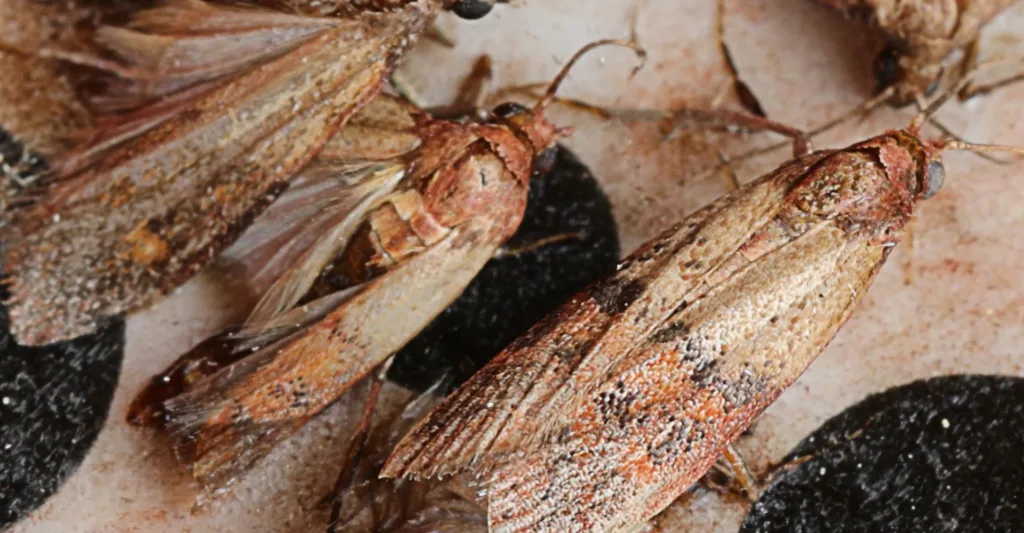
- Indianmeal moth (pantry moth) — small moths that leave webbing and tiny caterpillars in cereals, grains, and dried fruit.
- Cigarette/drugstore beetles and sawtoothed grain beetles — tiny beetles that chew holes in packaging and contaminate food.
- Weevils (rice/grain weevils) — beetles that may bore into whole kernels (rice, dried beans).
- Larder beetles and flour beetles — common in pet foods and baking mixes.
- Occasional rodents — mice will gnaw into containers and leave droppings that contaminate stored food.
Visible signs include adult insects flying around, larvae/caterpillars, webbing inside boxes, holes in packaging, fine powdery residue (like sawdust), or a sour/stale smell. If you see any sign, treat it seriously — these pests reproduce fast.


How to prevent pests in your pantry
- Quarantine suspect items. Remove the suspect packages and isolate them outside the pantry (ideally into sealed bags). This prevents the spread while you inspect.
- Throw out heavily infested products. If a product contains visible larvae, webbing, or lots of adults, discard it — don’t try to salvage. Place the garbage outside immediately.
- Inspect nearby items. Check all adjacent boxes and bags — insects easily move from one product to another.
- Vacuum the shelves and crevices. Use the vacuum to remove eggs, larvae, and food residue; empty the vacuum canister outside afterward. (Avoid just wiping flour spills — vacuuming is better at preventing cemented paste.)
- Wipe and disinfect. After vacuuming, wipe shelves with soapy water or an appropriate cleaner, then dry them thoroughly.


Understanding long-term prevention, the IPM way
Integrated Pest Management (IPM) is the common-sense, low-toxic approach professionals use: prevention first, detection and exclusion next, then targeted control only when needed. Here’s how to apply it at home.
1) Buying smart, rotate stock
- Purchase only what you’ll use within 1–2 months for high-risk items (flour, cereal, grains). Long-term storage increases infestation risk.
- Use a “first in, first out” rotation: place newer purchases behind older ones so older items are used first. Insects in the City
2) Using airtight containers like glass, metal, or thick plastic
- Transfer dry goods (flour, sugar, rice, pet food, cereal, spices) into airtight containers immediately after opening. Screw-top glass jars, metal canisters, or heavy-duty plastic containers with gaskets are best. Containers that truly seal prevent both entry and escape, and they contain infestations if one product is compromised.
3) Inspecting groceries before bringing them inside
- Check bulk bins and boxes in the store for holes or damage. For items bought in bulk, consider repackaging them at home into sealed containers right away. This is a typical entry route for pantry pests.
4) Keeping your pantry clean and dry
- Clean up spills immediately; crumbs under shelves are feeding zones. Vacuum regularly (especially corners, cracks, and shelf seams). Ensure the pantry is dry — dampness can attract different pests and cause clumping that hides eggs.
5) Controlling pet food exposure
- Pet food is a major attractant. Store kibble in airtight containers and avoid leaving bowls out overnight. Consider keeping bulk pet food in a sealed container in a garage or basement (if cool and dry), rather than open in the kitchen.
6) Monitoring traps and having regular checks
- Pheromone traps for pantry moths are inexpensive and help detect early activity (they trap male moths and reduce breeding). Periodic visual checks of shelves and sealed containers catch issues before they spread.
7) Sealing entry points and inspecting the structure
- To prevent rodents and stop insects from using wall voids, seal cracks around windows, doors, pipes, and utility lines. If you’ve noticed seasonal mouse activity in the Twin Cities, structural exclusion is essential. Abra Kadabra offers local inspection and exclusion services tailored to Minnesota homes.
Safe handling & food safety considerations
Pantry pests generally don’t bite people, but contaminated food is unappetizing and can pose health risks if rodents have accessed it (rodent droppings and urine can carry pathogens).
If rodents have contaminated a packaged food or you find rodent droppings in a storage area, discard the product and sanitize surfaces using CDC-recommended cleanup procedures for rodent contamination. When in doubt, throw it out — the cost of replacement is small compared with potential health risks.
When to call for pest control professionals
Small, one-off pantry-pest sightings can often be handled using the steps above. Call a professional pest control provider in metro Minneapolis if:
- You keep finding pests after cleaning and removing infested items.
- You see signs of rodent activity (droppings, chew marks, gnawed packaging).
- You manage a business (restaurant, food pantry, or warehouse)—contamination can lead to serious health code violations.
A local pro (for example, Abra Kadabra Environmental Services) will perform a thorough inspection, identify the pest species, locate the source (could be a neighboring unit or building), and implement a targeted IPM plan that includes exclusion, sanitation recommendations, monitoring, and, if necessary, safe treatments.
For commercial clients, professionals will also document the work so you can show compliance to inspectors.
(If you want a local inspection, Abra Kadabra’s residential and commercial services pages explain their approach and cover Twin Cities neighborhoods.)
See: Home Services at Abra Kadabra and Contact / Request an Inspection. abrakadabraenvironmental.com+1
Wrapping it up
Because of our cold winters, many pests concentrate indoors, and pantry infestations can spike in fall and winter.
The good news: most pantry pest problems are preventable with good storage habits, routine cleaning, and quick action at the first sign.
For persistent problems — especially if rodents or commercial contamination are involved — partner with a local Twin Cities pest pro who understands Minnesota seasonal patterns and building types. If you’d like, Abra Kadabra Environmental Services provides pantry and food-storage inspections and can help develop a simple IPM plan for your home or business — request an inspection here.
References
- University of Minnesota Extension — Pantry pests: Insects found in stored food (overview of pests and prevention). University of Minnesota Extension
- CDC — Food Safety & cleaning guidance (safe handling and cleanup guidance for contaminated food/areas). cdc.gov
- USDA / National Agricultural Library — Prevention and control strategies for stored-product pests (research and IPM approaches). nal.usda.gov
- Practical how-to: The Spruce — How to Get Rid of Pantry Pests (step-by-step home remedies and prevention tips). The Spruce