
When the chilly Minnesota nights set in, there’s nothing cozier than gathering around a crackling fire in your wood-burning stove or fireplace. But what many Twin Cities area homeowners don’t realize is that how you store your firewood could be inviting pest problems right into your home.
From insects emerging from logs to rodents nesting in wood piles, poor firewood practices create a pathway for pests to become indoor problems.
In this guide, we’ll break down why firewood storage matters, how pests exploit wood piles, and what you can do to protect your Minneapolis metro home this heating season.
Why Firewood Can Harbor Pests
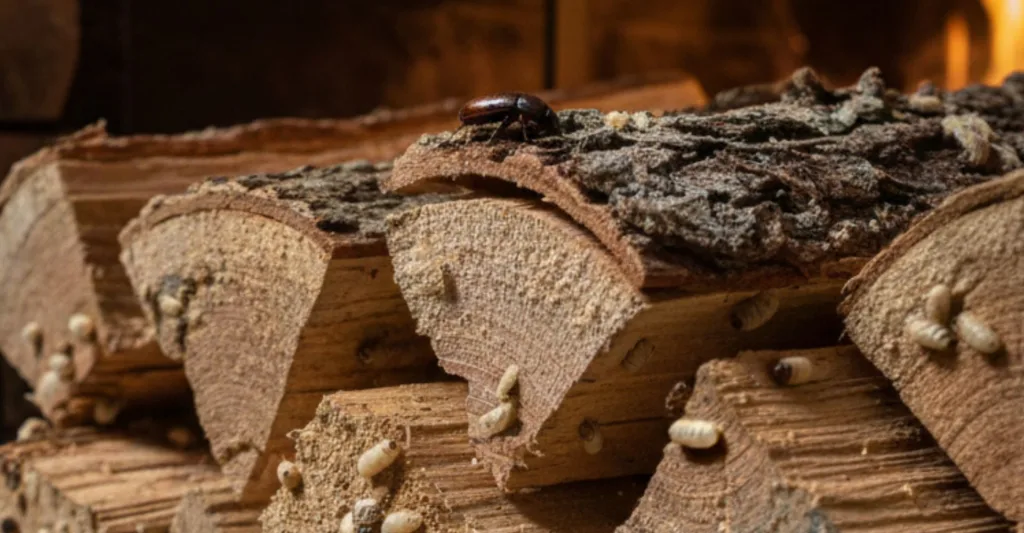
Firewood isn’t just dead wood; it’s an ecosystem. Insects and wildlife are drawn to wood as shelter, food, and breeding grounds, especially in Minnesota’s forests and urban woodlands. Many of these pests are small or hidden beneath bark, making them easy to miss when you bring wood indoors.
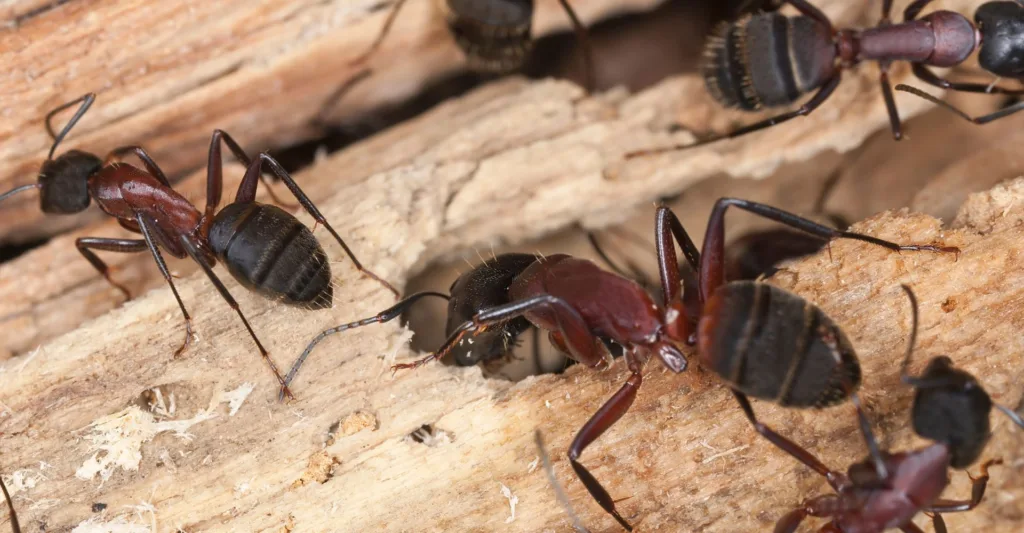
According to the Minnesota Department of Agriculture, wood prepared for fires can carry invasive and native pests, including wood borers, bark beetles, and carpenter ants, as well as destructive invasive species such as the emerald ash borer and the spongy moth. These insects can be present inside untreated firewood, even when it looks “clean.”
The Big Minnesota Pest Risks in Firewood
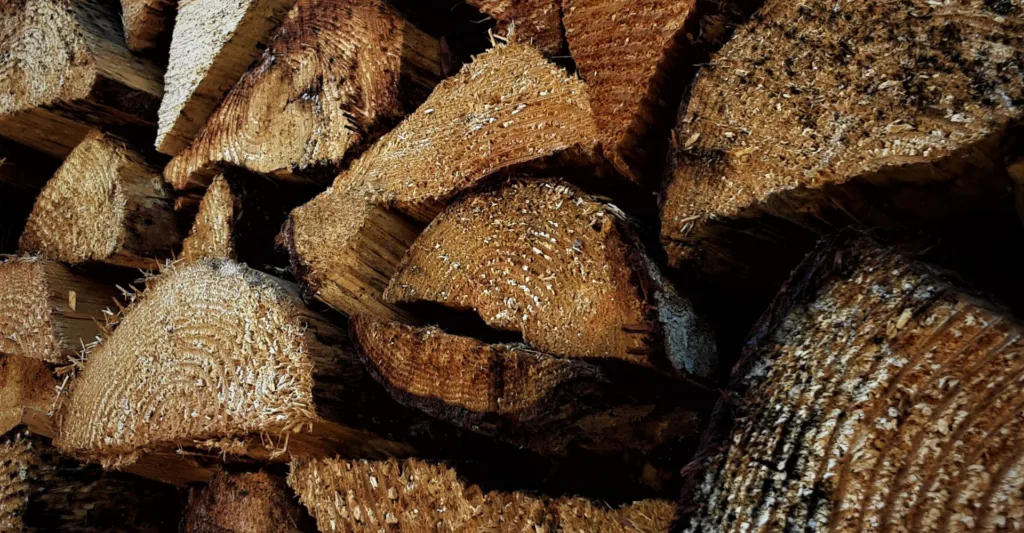
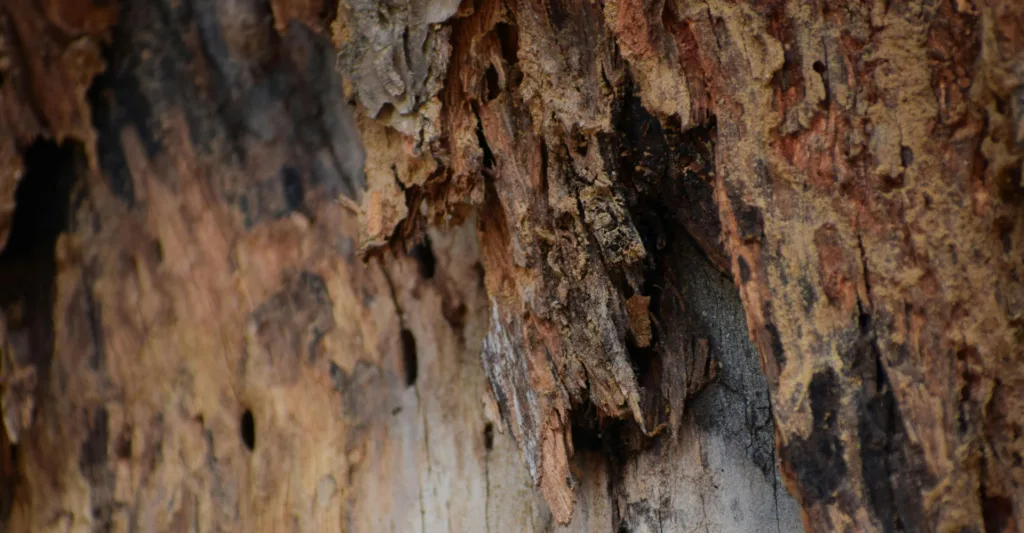
Wood-Infesting Insects — Tiny larvae or eggs can be tucked under bark or deep inside wood. Once firewood warms indoors, these insects become active and may emerge, exploring warmer spaces, including your home.
This phenomenon isn’t just theoretical. Extension and entomology experts note that many homeowners unintentionally bring insects into their living spaces simply by storing wood inside for extended periods.
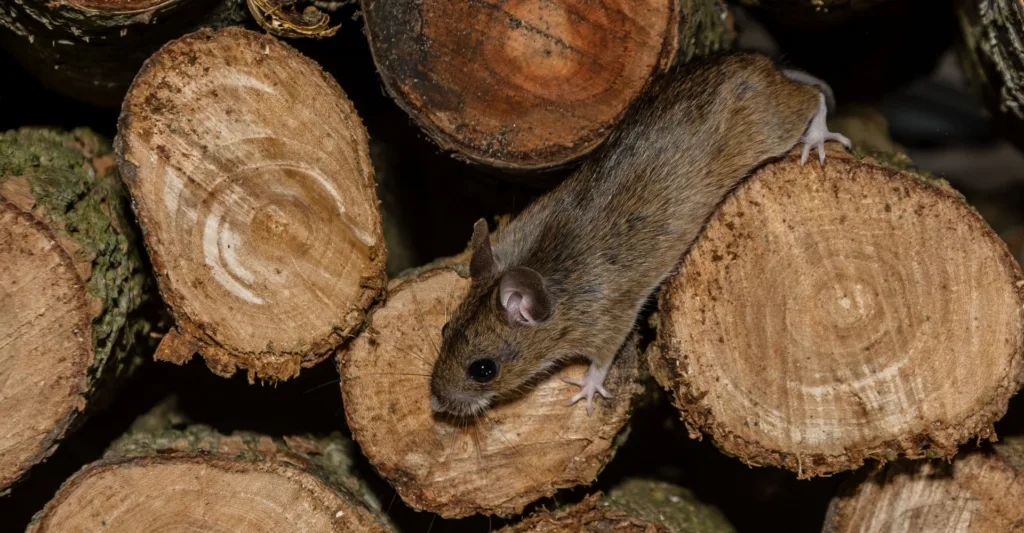
Rodents (Mice and Rats) — Mice and rats are notorious for using woodpiles as nesting sitesand travel routes. Once they gain access to wood that’s too close to structures or brought inside, it’s only a matter of time before they explore deeper into your living spaces in search of warmth and food.
Rodents can cause property damage and pose health hazards by chewing through insulation and wiring and potentially spreading disease. To learn more about common rodent problems and their risks, check out our Most Common Home Pests and Their Health Hazards guide.
Moisture and Exotic Pests — Wood that isn’t properly seasoned or dried can retain moisture, inviting fungi and pests such as carpenter ants, which thrive in damp wood and may later seek shelter inside homes.
Mistakes Minnesota Homeowners Make With Firewood Storage
1. Storing Firewood Against or Inside the House
Bringing a large stack of firewood into your garage or basement may seem convenient, but it provides a bridge for pests to enter your home. News reports and pest experts alike warn that firewood in garages or attached structures often acts as a shelter or staging area for rodents and insects.
2. Keeping Firewood Too Long Before Burning
Minnesota’s climate allows firewood to be stored outside for later use. However, letting wood pile up all season can increase pest populations within the stack, and more “critters” get brought indoors when you finally bring wood inside.
3. Stacking Firewood on the Ground
Logs in direct contact with soil quickly become moist, attract insects, and provide easy pathways for critters to climb inside. Elevating firewood is one of the simplest yet most overlooked prevention methods.
Best Firewood Storage Practices for Minnesota Homes
To reduce the odds that firewood becomes a pest invasion vector, follow these Minnesota-specific best practices:
Store Wood at Least Several Feet From Your Home
Firewood should be stored outside and away from structures, ideally 20–30 feet from your home or garage. This prevents insects and rodents from using wood as a stepping stone into your living space.
Bring In Firewood Only as Needed
Instead of storing an entire cord indoors, bring in just enough wood for the immediate burn cycle — perhaps a day or two’s worth. Researchers recommend limiting indoor storage time to reduce insect emergence.
Buy Local and Certified Firewood
Transporting firewood long distances can introduce invasive pests into Minnesota. The Minnesota Department of Agriculture suggests purchasing locally sourced or certified heat-treated firewood to minimize these risks.
Elevate Firewood Off the Ground
Use pallets, firewood racks, or blocks to elevate the wood above the ground to improve airflow and reduce moisture, and to make it harder for ground-dwelling pests to colonize.
Cross-Stack or Loosely Stack Wood for Airflow
Good ventilation dries wood faster and reduces its attractiveness to insects. Avoid tightly packed stacks directly on the ground.
What to Do If Pests Are Already Emerging From Firewood
Even with precautions, pests may sneak in. If you begin to notice insects or rodents in your home, don’t wait. Minnesota homeowners know that pest problems can escalate quickly, especially during winter when critters seek shelter.
- Inspect and clean the wood as you bring it inside — a knock or shake can dislodge loose insects.
- Use traps or exclusion devices around doors and foundations to prevent rodent entry.
- Call a professional pest control team to inspect and treat your property if pests get beyond nuisance levels.
If you’re experiencing persistent pest issues in Minnesota, whether insects or rodents, professionals like Abra Kadabra Environmental Services can help with inspections, targeted treatments, and exclusion work to keep your home secure.
Explore our Residential Pest Control Services to learn how they protect Twin Cities homes year-round.
To identify pests that may emerge from wood piles (e.g., ants, beetles, rodents), visit the Pest Library for detailed descriptions and prevention tips.
Minnesota-Specific Considerations
Cold Weather Doesn’t Eliminate Pest Risk
While many insects are dormant during Minnesota’s harsh winter, they can hibernate inside firewood and become active when the wood is brought indoors and warms. This means even winter firewood can be a risk if not managed properly.
Twin Cities Metro Landscape Factors
Urban/suburban geography also plays a role. Wood stored near tree lines or wooded yards around Minneapolis can attract species like carpenter ants and beetles common in our region.
When to Call the Pros
If you’re noticing any of the following, it’s time to bring in certified pest control professionals:
- Insects crawling around your fireplace, wood pile, or baseboards
- Evidence of rodents (droppings, gnaw marks, noises at night)
- Damage to wood, insulation, or structure
- Persistent pest sightings after cleaning or DIY efforts
Abra Kadabra Environmental Services serves the Twin Cities metropolitan region, including Minneapolis, St. Paul, and surrounding suburbs, with eco-friendly pest solutions tailored to local pest behaviors and climates.
We handle everything from rodent control to insect exclusion and wildlife management. Learn more on our service pages, and contact the team today for inspections, quotes, or seasonal plans.
In Conclusion: Treat Firewood as Part of Your Pest Prevention Plan
Firewood is more than just fuel; if not stored and handled correctly, it can create a pathway for pests into your home. Minnesota homeowners should adopt proactive wood-storage habits, limit indoor storage, and consider professional assistance when needed. By understanding the risks and following recommended practices, you can enjoy your fireplace or stove without worrying about unwelcome guests.
Final Note: Proper storage, timely inspection, and expert pest control are your best defense against firewood-related pest problems in the Minneapolis metro — and services like Abra Kadabra are here to help every step of the way.
Contact us today to schedule a pest inspection and start strengthening your building against infestations before pests take hold.
Call today
To request a consultation, call Abra Kadabra at (763) 265-7356. We’re happy to discuss your concerns.